
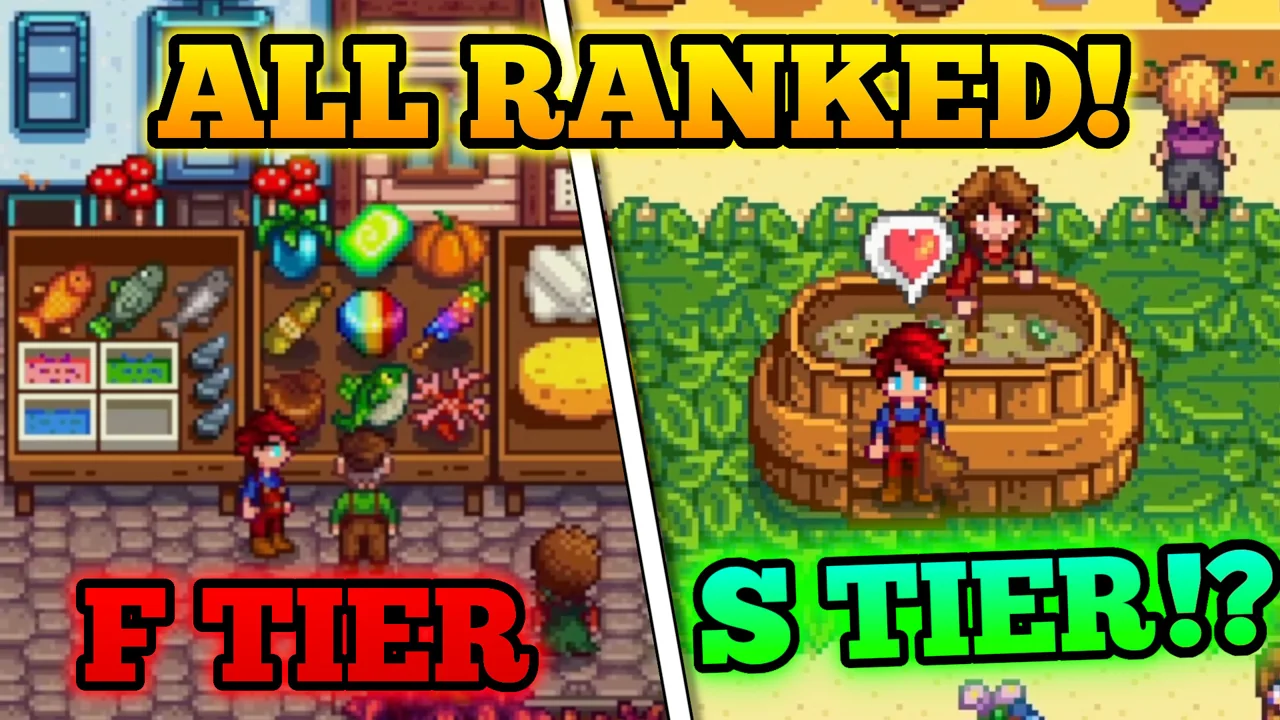
Stardew Valley festivals are where the farm routine gets interrupted by something a little more magical. Sometimes that means valuable rewards. Sometimes it means standing on a dock watching jellyfish. Here is my personal ranking from the video, alongside a complete calendar so you can decide which events matter most for your own farm.
Watch my original YouTube video for the gameplay demonstration, or jump to the section you need. The written guide includes corrections and additions for Stardew Valley 1.6.
In this guideOpen contents
Stardew Valley festivals calendar: all 12 events
The ranking below follows my video’s ten picks. This calendar also includes Flower Dance and Trout Derby, which were not ranked in that video. Times are arrival windows or event hours; individual stalls and activities can close earlier.
| Season and day | Festival | Arrival / event hours |
|---|---|---|
| Spring 13 | Egg Festival | 9am–2pm |
| Spring 15–17 | Desert Festival | 10am–2am |
| Spring 24 | Flower Dance | 9am–2pm |
| Summer 11 | Luau | 9am–2pm |
| Summer 20–21 | Trout Derby | 6:10am–2am |
| Summer 28 | Dance of the Moonlight Jellies | 10pm–midnight |
| Fall 16 | Stardew Valley Fair | 9am–3pm |
| Fall 27 | Spirit’s Eve | 10pm–11:50pm |
| Winter 8 | Festival of Ice | 9am–2pm |
| Winter 12–13 | SquidFest | 6:10am–2am |
| Winter 15–17 | Night Market | 5pm–2am |
| Winter 25 | Feast of the Winter Star | 9am–2pm |
1. Dance of the Moonlight Jellies: the atmosphere wins
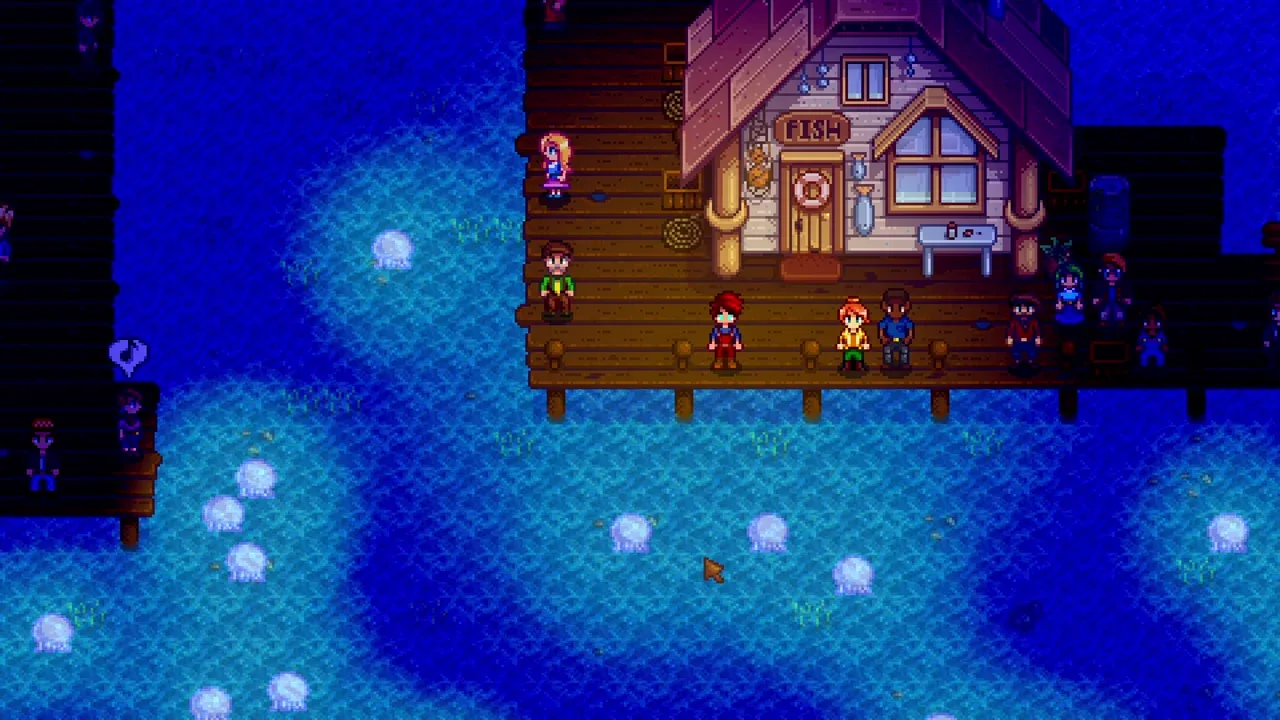
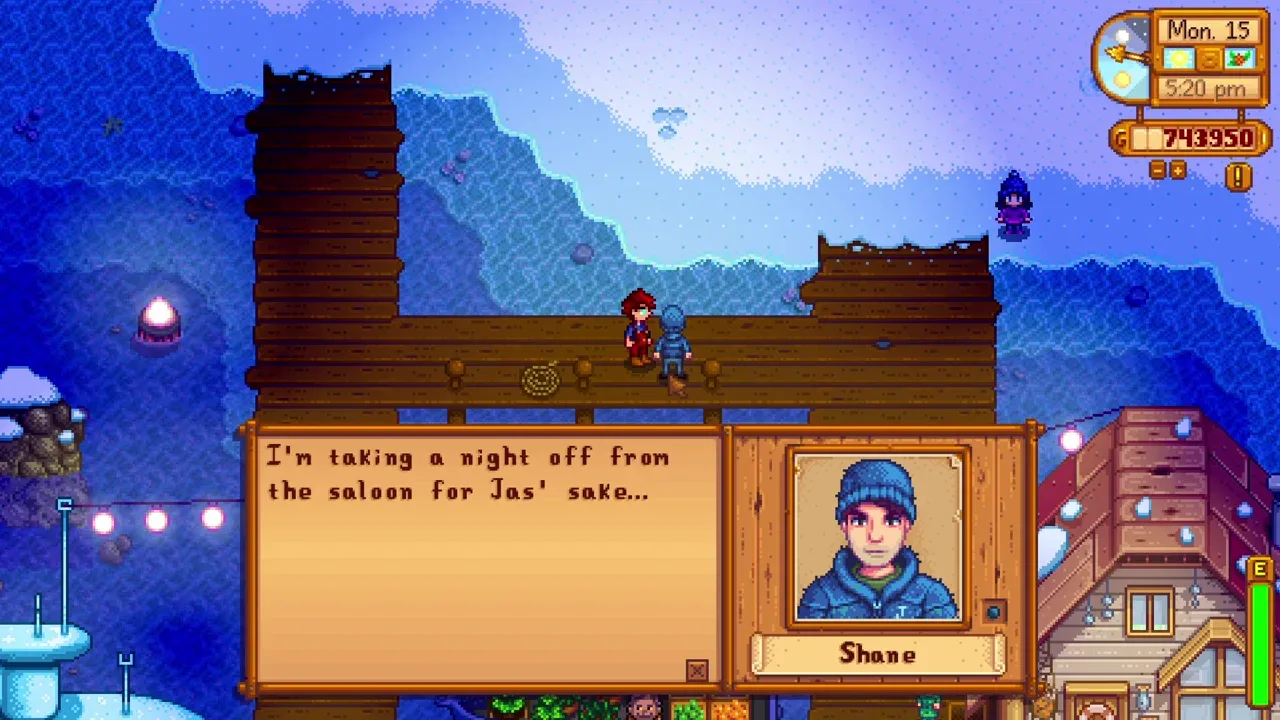
First up, my number one: the Dance of the Moonlight Jellies. No competitive prizes, no mini-games, no tokens. Just a dock, the ocean and one of the most hauntingly beautiful moments in the game.
It is the rare moment in Stardew where the world slows down. You are not thinking about crop rotations, rushing to the mines or stressing about Abigail ignoring your Amethyst gift. You are just present. That is why I come back year after year.
This is a celebration of Stardew’s atmosphere at its absolute peak. Head to the beach between 10pm and midnight on Summer 28. Finish your farm jobs first, then let this be the end-of-summer pause it deserves to be.
2. Stardew Valley Fair: finally beat Pierre
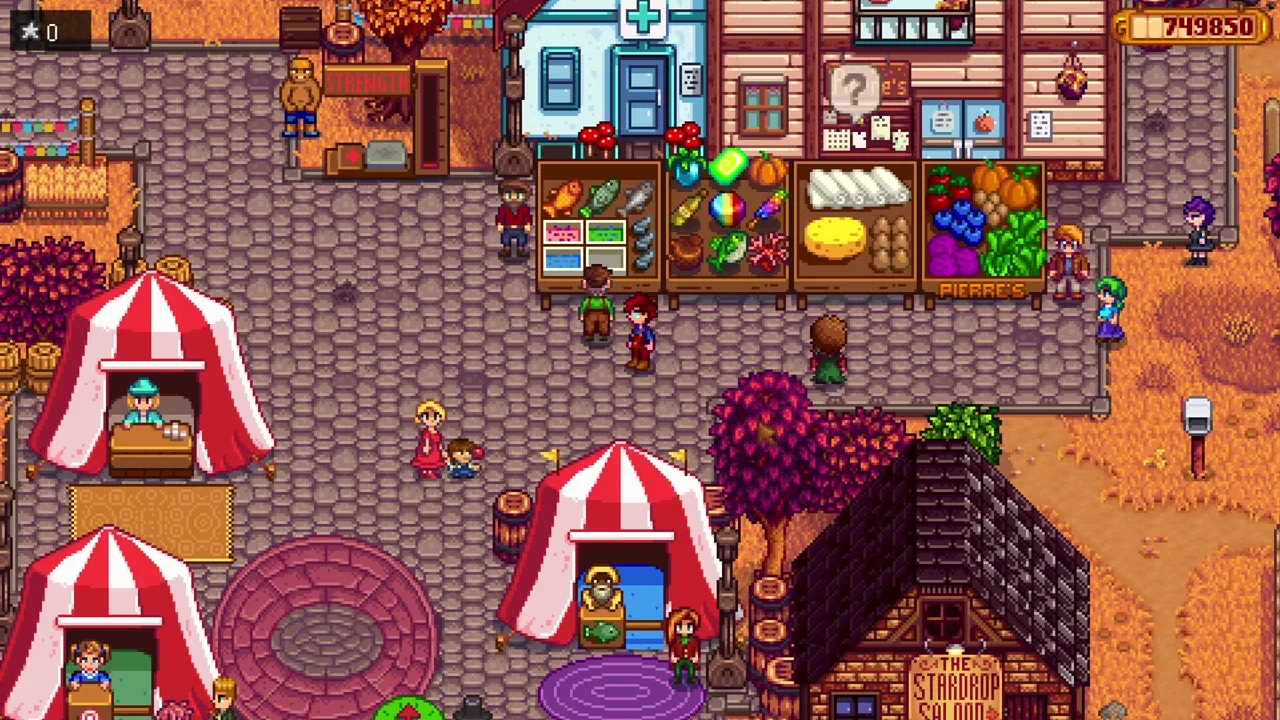
At number two, the festival where Pierre finally takes an L: The Stardew Valley fair is one of my favourite festivals. Why? Because you finally get to flex on those villagers. Absolutely destroying Pierre by winning the Grange Display is peak Stardew. Stuffing your display with incredibly rare and valuable items or with just pure chaos is half the fun. But beyond the bragging rights, the Fair is loaded with things to do: fishing contests, slingshot challenges, fortune telling and gambling!! it’s basically a carnival packed into Pelican Town Square.
And those star tokens? It’s not all for fun! You get star tokens for dominating! And yeah, you can trade these star tokens in for a stardrop, an extremely useful permanent energy upgrade. The Stardew Valley Fair hits that sweet spot of gameplay, replay value, and good old-fashioned spite toward Pierre. Add Gus grilling survival burgers in the background, and you’ve got one of the most fleshed-out festivals in the game.
If Moonlight Jellies is all about vibes, the Fair is about competition and fun. It’s the best of both. Bring nine items for your Grange Display and aim for quality, value and category variety. Keep your display items after the judging by taking them back before leaving. The Stardrop costs 2,000 Star Tokens and is a one-time purchase.
3. Desert Festival: the most replayable rewards
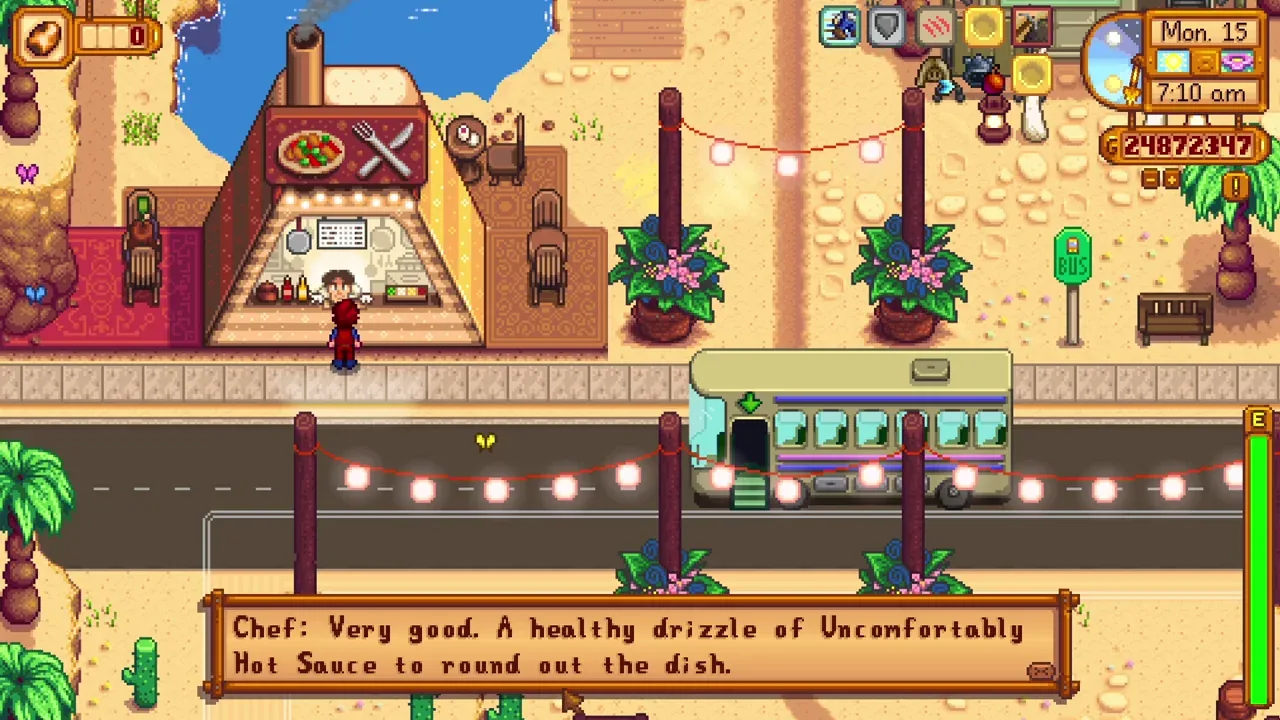
The Desert Festival adds fresh life to Calico Desert from Spring 15 to 17. You need the repaired bus to get there. Once you arrive, there are challenges, rotating vendors and Calico Eggs to earn and spend.
The interesting part for me is what happens to Skull Cavern. The Desert Chef gives special food, and the challenge statues can make or break your run. That added randomness gives the cavern a different feel from an ordinary resource trip.
There are valuable prizes here, including Magic Rock Candy through particular rewards and a Prismatic Shard from Emily’s stall when she is a vendor, costing 500 Calico Eggs. Check the actual stall and challenge conditions before spending: these are specific rewards, not items that every vendor sells every day.
This festival has excellent replay value. It runs over three days, but time still passes, so a cavern run and a relaxed shopping trip compete for the same hours. Bring your mining supplies if that is your plan, and keep enough time for the journey home.
4. Feast of the Winter Star: a cosy gift exchange
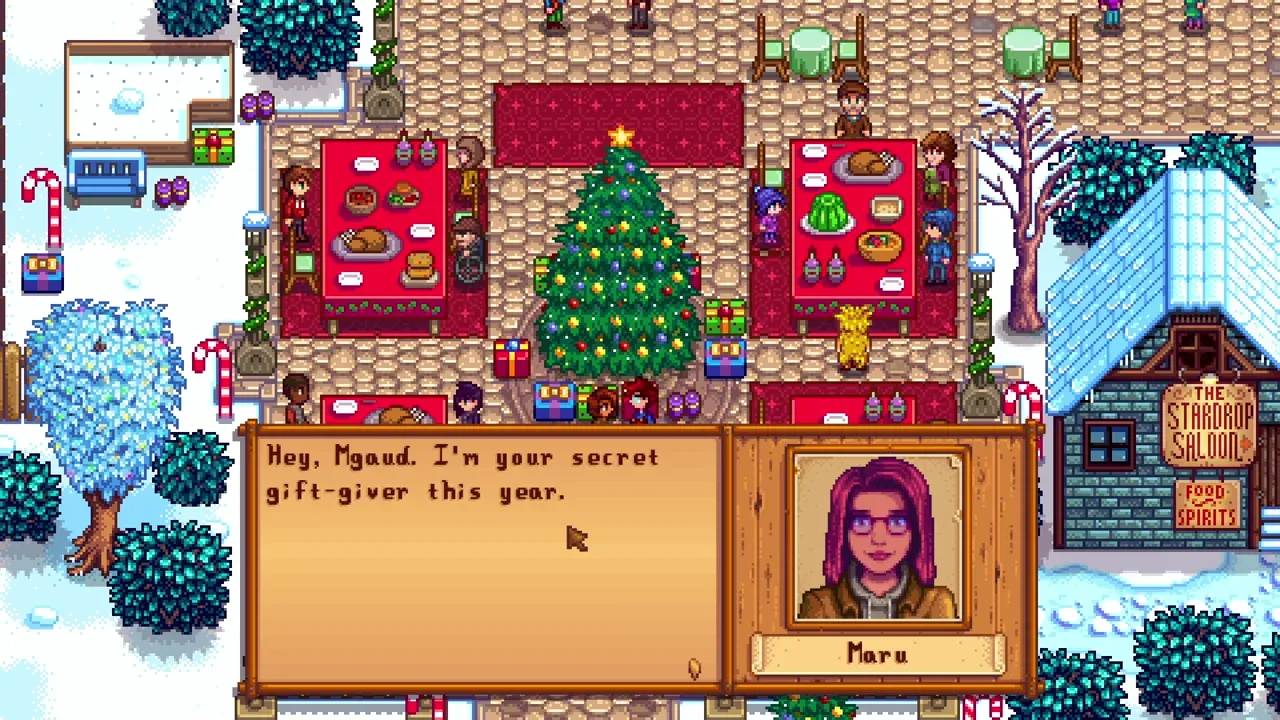
This is Stardew’s Christmas, plain and simple. Lewis sends a letter telling you your secret gift recipient, and you show up on Winter 25 with a present. In return, someone gives you a gift. Sometimes it is amazing. Sometimes it is… clay.
Everyone seems to head here hoping for the Tea Set. It is a rare gift, although my original video’s claim that the festival is its only source is outdated: the Traveling Cart can also stock it from year 25 onward.
For the practical side, bring a loved gift for your assigned recipient. The gift exchange gives a larger friendship effect than an ordinary present, so this is a very good time to prepare properly. For the less practical side, enjoy seeing everyone together. The Feast is about the small joys, and that is enough for me.
5. Night Market: three evenings of variety
Number five is the Night Market: three days of cozy chaos. This is the definition of ‘low pressure.’ The whole event runs from 5 PM to 2 AM, and you don’t even lose the day—you can still farm or fish before heading down to the docks. That freedom alone makes it a fan favorite. The highlights? The deep-sea submarine ride where you can catch unusual deep-sea fish, the quirky vendors, free coffee, paintings and seasonal décor, and of course, the mermaid show.
The mermaid show is so absurd you’d be a fool for missing out on this random chaos. The festival also runs over three days in a row. To be honest, that's the beauty of this festival. It doesn't feel like a one-and-done event. Instead, it becomes part of your rhythm in late winter, a reliable break from the grind. It’s not as emotionally charged as the Jellies or as competitive as the Fair, but for pure atmosphere and utility, the Night Market is unmatched.
Visit on Winter 15–17. The submarine and Mermaid Show have their own closing times, so do those before leaving your shopping until the end. Unlike a paused daytime festival, the clock continues to run.
6. Egg Festival: strawberries and beating Abigail
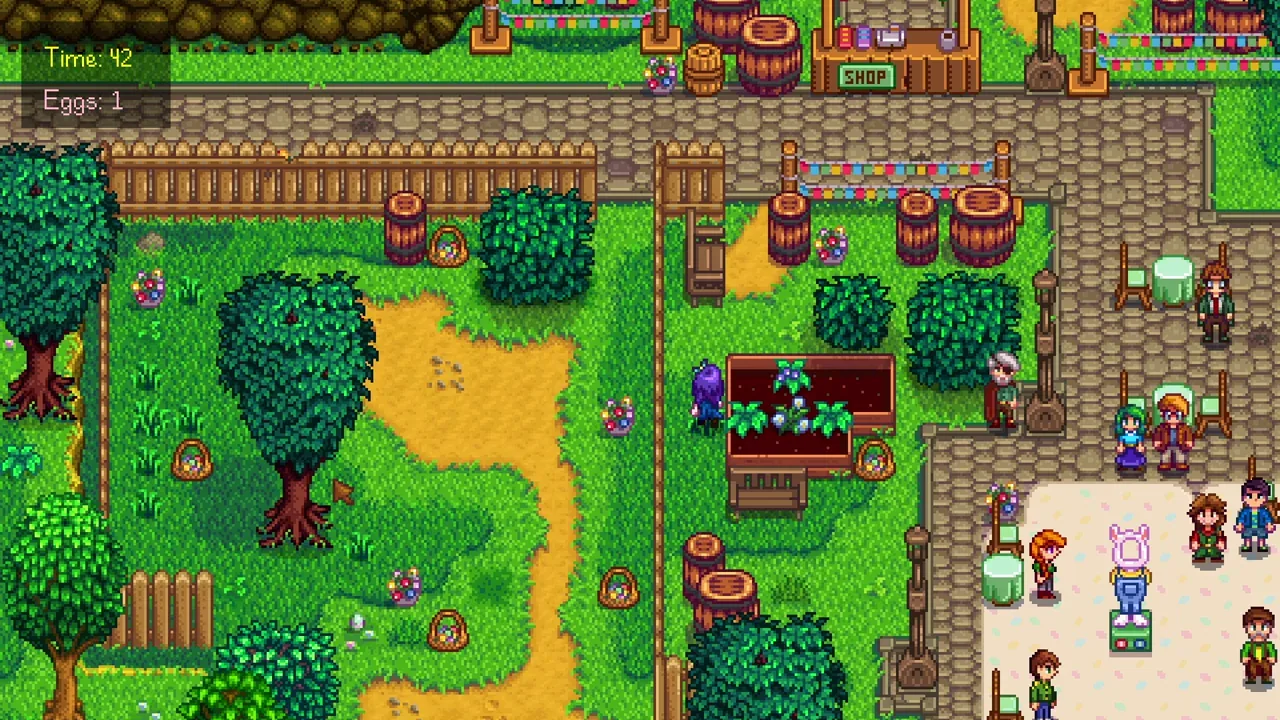
The Egg Festival is iconic. It is the first festival most new players see, and beating Abigail in the egg hunt feels like your first true flex. In single-player, collect at least nine eggs to win; multiplayer uses different thresholds.
On top of that, Pierre sells Strawberry Seeds for 100g each. This is the big practical reason to attend in year one. Bring your seed budget, and prepare the field before you leave so you can plant and water after returning.
The hunt is fun at first, although eventually you learn a route and it becomes much easier. Even when the novelty fades, the seeds keep the festival useful. The hunt layout also changes between odd and even years, so do not blindly run your old route.
7. Spirit’s Eve: a different maze on even years
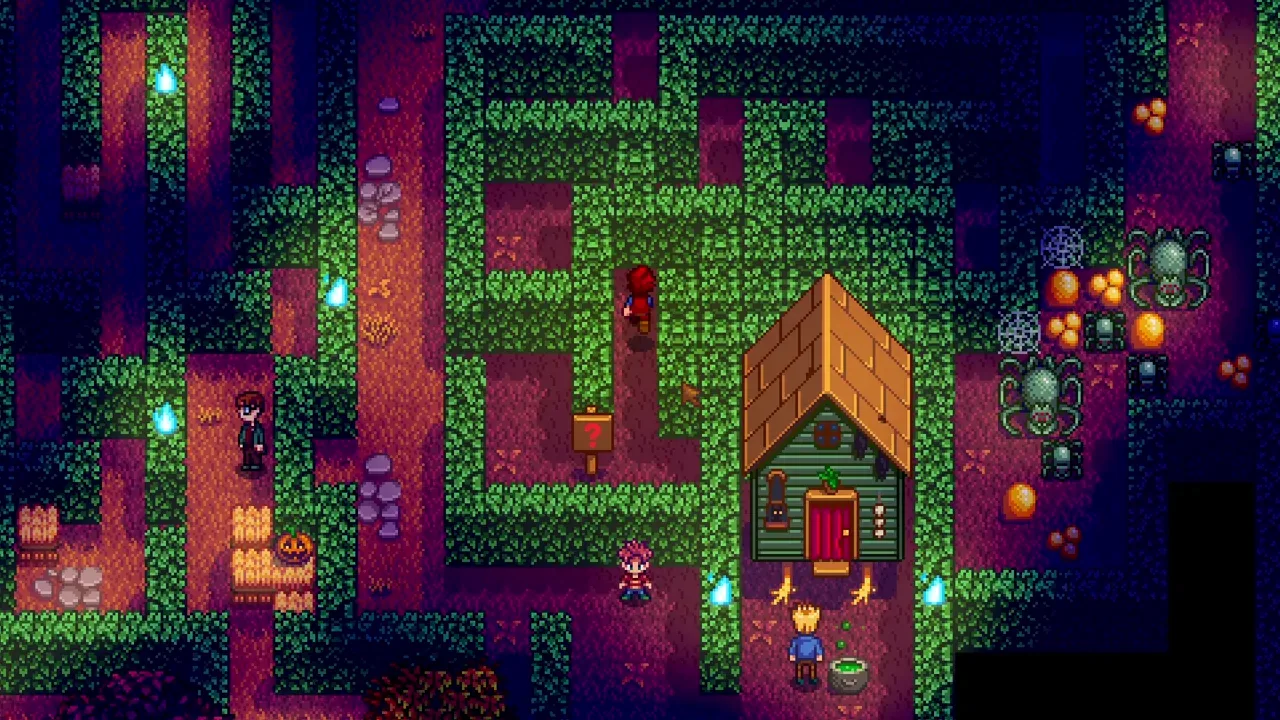
This is Stardew’s Halloween: jack-o’-lanterns, spooky music and a hedge maze. It is perfect if you enjoy seasonal atmosphere, even though it does not have the gameplay depth of the Fair or Desert Festival.
The maze changes between odd and even years. The odd-year reward is a Golden Pumpkin, while the even-year maze rewards a Prize Ticket. My video talks about the pumpkin as the headline reward, but it is worth knowing which version you are entering.
Bring a little patience, explore the suspicious passages and enjoy the scenery. This is Stardew’s costume party: fun once a year, even if it is not the highlight of my calendar.
8. Luau: useful friendship, less exciting gameplay
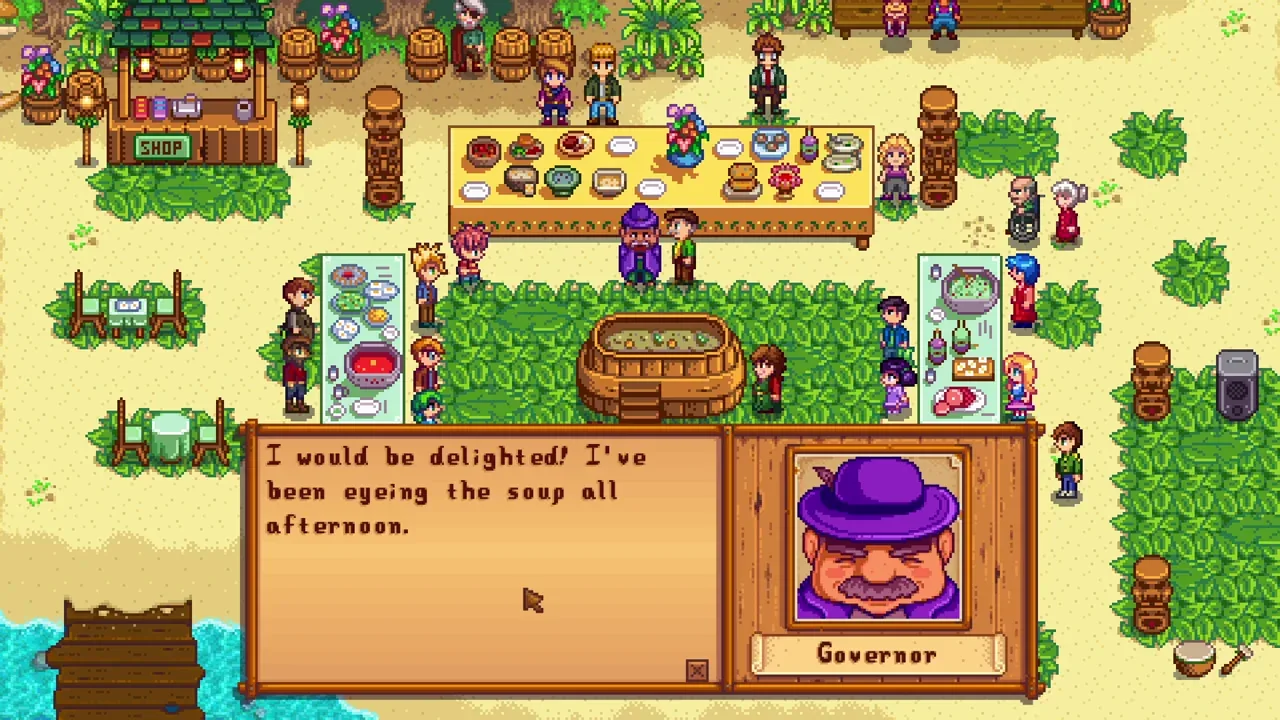
On paper, the Luau is great. You gather around a big pot of soup, add an ingredient and let the Governor judge it. A good contribution can improve friendship with the villagers all at once. That is incredibly useful.
But the actual experience, for me, becomes more of a routine once I know the system. Gold-quality Cheese is a straightforward choice for the best response. Bring the ingredient before entering the festival; a valuable-looking item is not automatically suitable for the soup.
You can also cause a little chaos with Mayor Lewis’s shorts, if that is the sort of farm you are running. For a friendship-focused save, though, I would take the reliable good response and keep the joke for another year.
9. Festival of Ice: a quick fishing contest
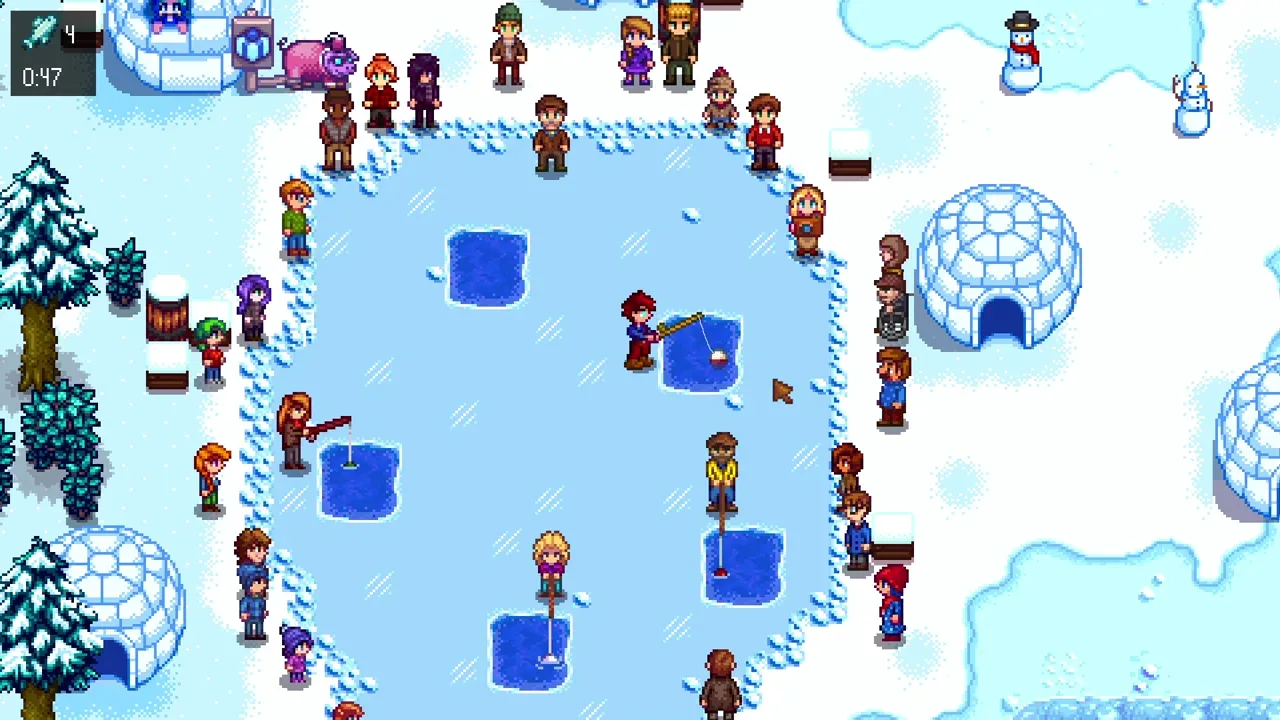
Number nine is the Festival of Ice. The main draw is the fishing contest, where you face off against Willy, Pam, and Elliott. If you’ve practiced your fishing, practice makes it much easier. The first win earns fishing gear and a hat; repeat wins have a different reward. This festival is fine, but forgettable. Show up, fish for two minutes, get your prize and leave.
The atmosphere is cozy, with ice sculptures and villagers wandering around, but it doesn’t have the wow factor of other events. Aim for at least five fish to win. You use the equipment supplied for the contest, so this is more about catching cleanly than bringing your most expensive rod.
10. SquidFest: a specialist fishing weekend
And finally, last in my personal ranking: SquidFest. Added in 1.6, this is a two-day winter fishing event focused on catching as many squid as possible. It’s a neat addition for variety, but it does not grab me in the same way as the Desert Festival. The rewards are fine, and it’s a cool idea to spotlight a single fish, but it doesn’t have the uniqueness or emotional pull of the other festivals.
If you love fishing, it’s worth doing. If not? You might skip it entirely. And that’s why SquidFest lands at the bottom of the ranking. it’s competent, but forgettable. It takes place on Winter 12 and 13. The reward tracks reset between the two days: eight squid earns all the first-day rewards, and ten earns all the second-day rewards. Claim them from the booth before the event ends.
If you enjoy fishing, this can be much more valuable than my atmosphere-based ranking makes it sound.
Flower Dance and Trout Derby: two more dates to remember
Flower Dance happens on Spring 24. You need four hearts with an eligible dance partner for them to accept. It is a useful friendship milestone, even if your first-year invitation gets rejected. Bring that expectation with you rather than assuming everyone will say yes.
Trout Derby takes place at the Cindersap Forest river on Summer 20 and 21. Catch Rainbow Trout to find Golden Tags, then exchange the tags at the event booth. Time continues during this event, so you can fish for a while and still go back to your usual farm routine.
Which festivals should you prioritise?
For year-one farming, budget for the Egg Festival’s Strawberry Seeds. For permanent progression, get the Fair’s Stardrop. For friendship, prepare your Luau contribution and Winter Star gift. For late-game combat rewards, the Desert Festival deserves a proper visit.
If you simply want Stardew to feel magical again, go to the Moonlight Jellies. That is the point of my ranking: rewards are useful, but atmosphere counts too.
Do your watering and animal care before entering a traditional festival. The clock is handled differently inside those events, and you return home later. Desert Festival, Trout Derby, SquidFest and Night Market run while normal time passes. Check shop availability before planning errands around any festival day.
Watch the original video

Keep exploring the valley
Browse more getting started guides, or continue with one of these related guides:
- Ultimate Stardew Valley Beginners Guide: Master the Game from Day One
- Best Crops In Stardew Valley 1.6 [ Every Season ]
- Ultimate Stardew Valley Fishing Guide [1.6]
Game-mechanics references: Festivals, Traveling Cart. Screenshots and video by MGaud.