

Stardew Valley resource mistakes are usually small habits that accumulate: hiding useful materials in random chests, spending a Diamond to rush a cheap product, or waiting until a storm ends to build Lightning Rods. These ten habits follow my companion video about things players do wrong. I explain what to change, when the original approach is still reasonable, and how to keep your farm moving without turning every day into a checklist.
Watch the companion video on YouTube, or use the contents below. This guide includes late-game spoilers. Mechanics and availability can vary by game version and platform.
Stardew valley resource mistakes: contentsOpen contents
1. Choose a Mossy Seed tree type
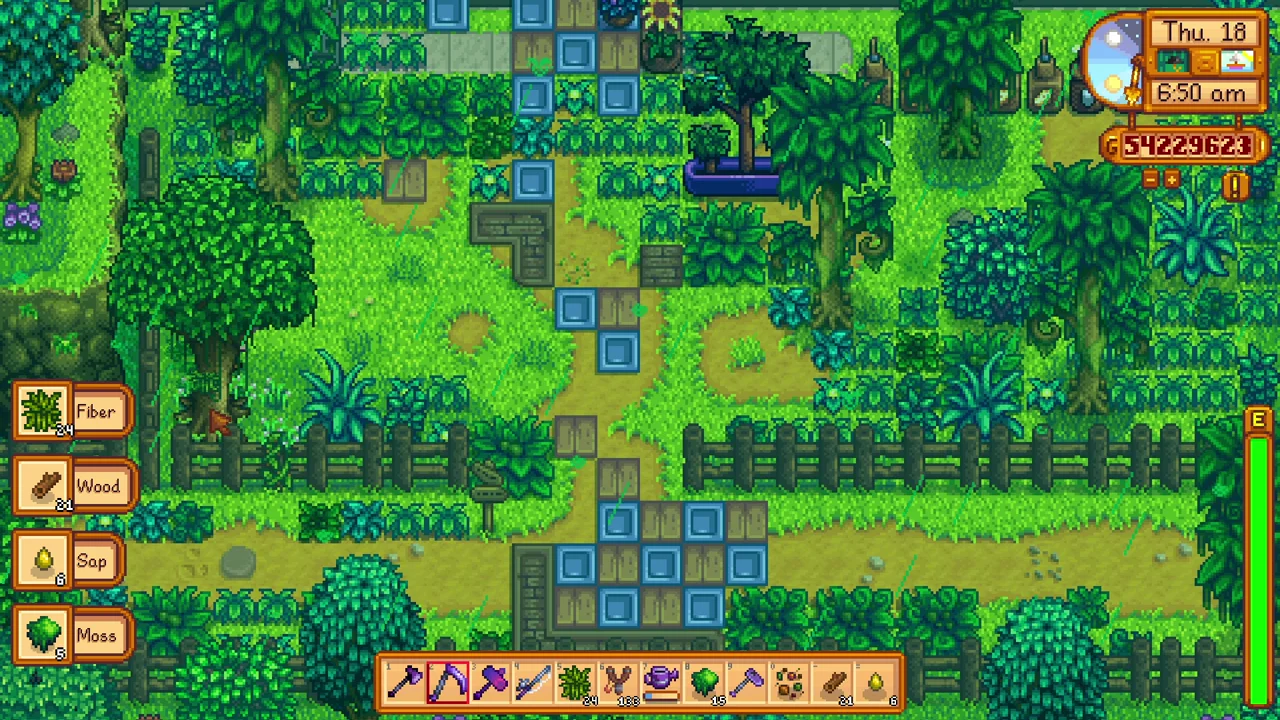
A Mossy Seed can become one of the unusual Green Rain trees. If you want a particular type, inspect the planted seed and the result shown in the footage instead of assuming every seed produces the same tree. The tentacle-style tree is useful for a Fiddlehead Fern tapping project.
Treat this as choosing the orchard you want, not an obligation to reroll every tree on your farm. Leave sensible spacing and a clear collection route. If a planting technique behaves differently on your version, keep the usable tree and focus on the setup rather than spending an entire day trying to force a cosmetic result.
2. Plan storage for Fairy Roses
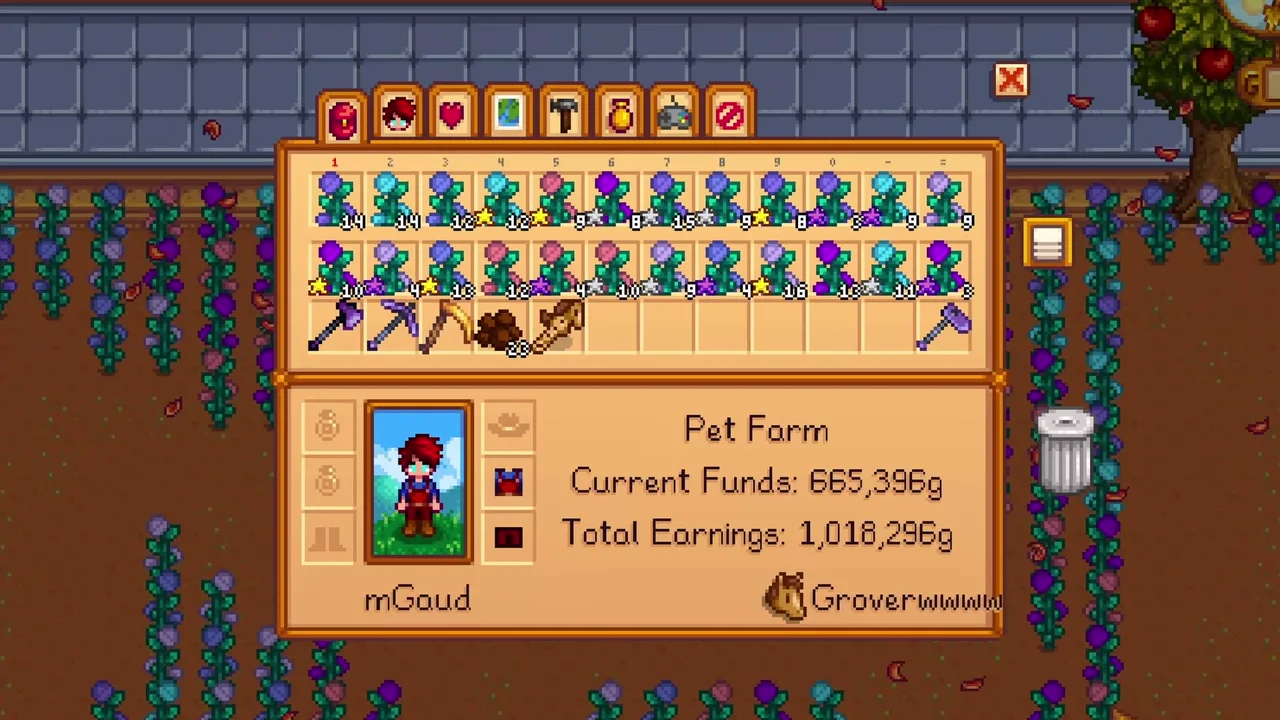
Fairy Roses can occupy several inventory stacks because flower color and quality both affect stacking. A large harvest can fill a backpack much faster than a field of one ordinary crop. Clear space and prepare storage before harvesting.
If the flower exists to support Bee Houses, you usually want to leave it planted while collecting honey. Keep the production flower separate from flowers grown for gifts or Fairy Dust. Among Stardew Valley resource mistakes, this is an easy one to prevent with a layout and storage decision made before planting, rather than a frantic inventory cleanup in the middle of the field.
3. Check Help Wanted and Special Orders
Check Help Wanted requests when you pass Pierre’s shop and review Special Orders regularly. An errand you can combine with an existing route can provide money, friendship, or progress toward further rewards. In 1.6, Prize Tickets add another reason to pay attention.
Read the requirements and deadline before committing scarce produce. Some tasks require newly gathered items, so a full chest is not always enough. Special Orders can unlock recipes or equipment that matter more than the immediate gold. Choose requests that fit your current plans instead of accepting every task and sacrificing a more valuable day to complete it.
For the next step, see my beginner’s guide.

4. Calculate Fairy Dust costs
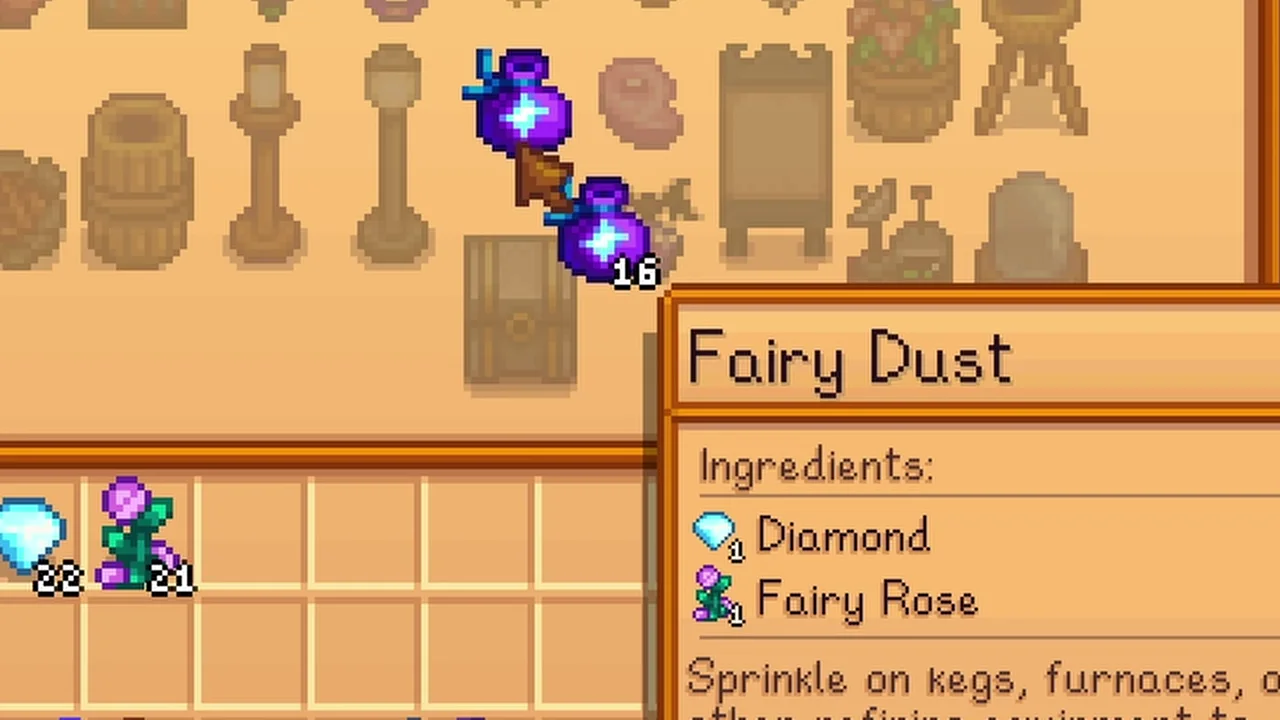
Fairy Dust is a convenience item with a real ingredient cost: a Diamond and a Fairy Rose. Compare that value with what finishing the machine now actually changes. Rushing a low-value product may cost more than simply waiting for it.
On a cask, one use advances the product to the next quality stage rather than jumping a fresh bottle directly to iridium. Using it on gold-quality wine can skip the last long aging stage. That can fit a specific deadline or late-game preference, but it is not free profit. These Stardew Valley resource mistakes become easier to spot when you count ingredients as money you could have used elsewhere.
5. Use safe desert processing space
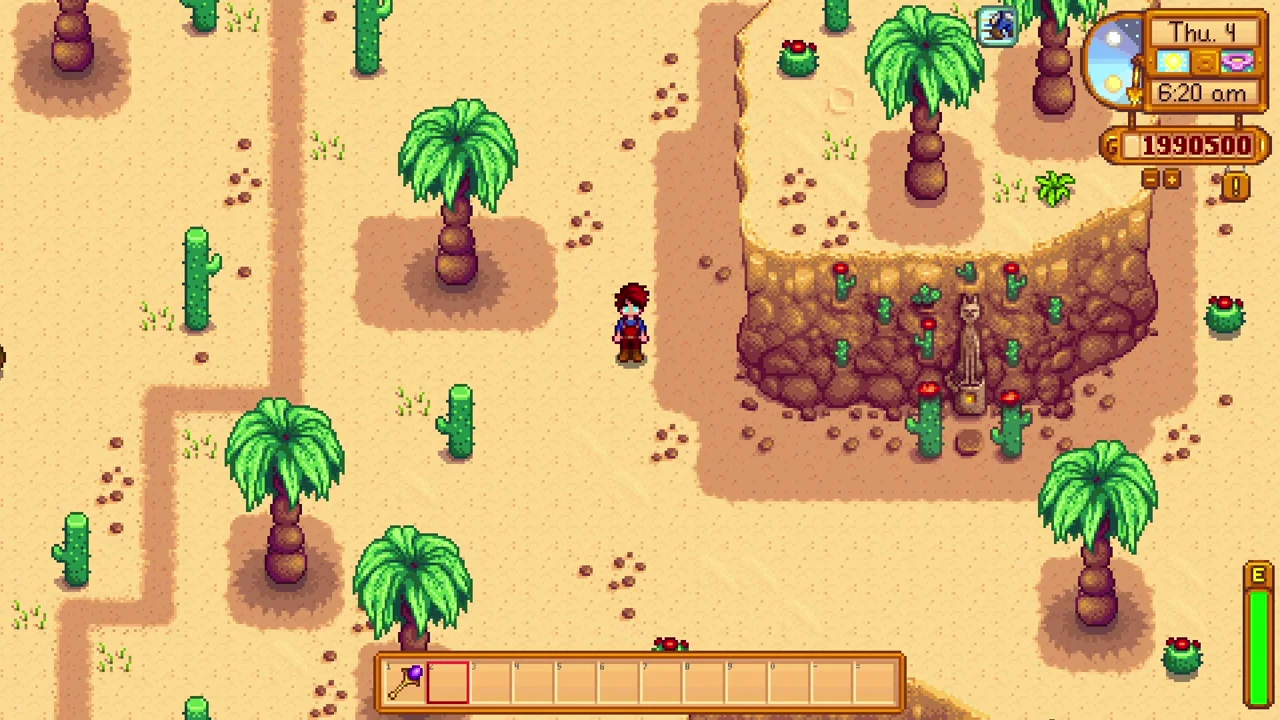
The desert offers room for equipment once you have access, and it can free space on your main farm. Start with a small group of machines on a route you already use, then expand only if collection remains convenient.
Check NPC paths and the Desert Festival footprint before placing valuable equipment. An empty tile on an ordinary day is not proof that it is a safe permanent location. Solar Panels and processing equipment also have different collection schedules, so group them thoughtfully. Extra space is useful when it simplifies your farm, not when it creates a long daily trip to collect a handful of finished items.
6. Build a Slime Hutch for a purpose
A Slime Hutch is a specialized project for breeding slimes, collecting Slime Balls, and making eggs. Build it if that gameplay appeals to you. It does not need to compete with every wine setup to justify its place on a personal farm.
If your current goal is simpler income, price the building and compare it with equipment you already understand. The hutch became smaller in 1.6, so older claims about its footprint need context. Leave space for safe collection and water supply. The Stardew Valley resource mistakes to avoid are buying buildings without a purpose and expecting a niche project to solve a completely different problem.
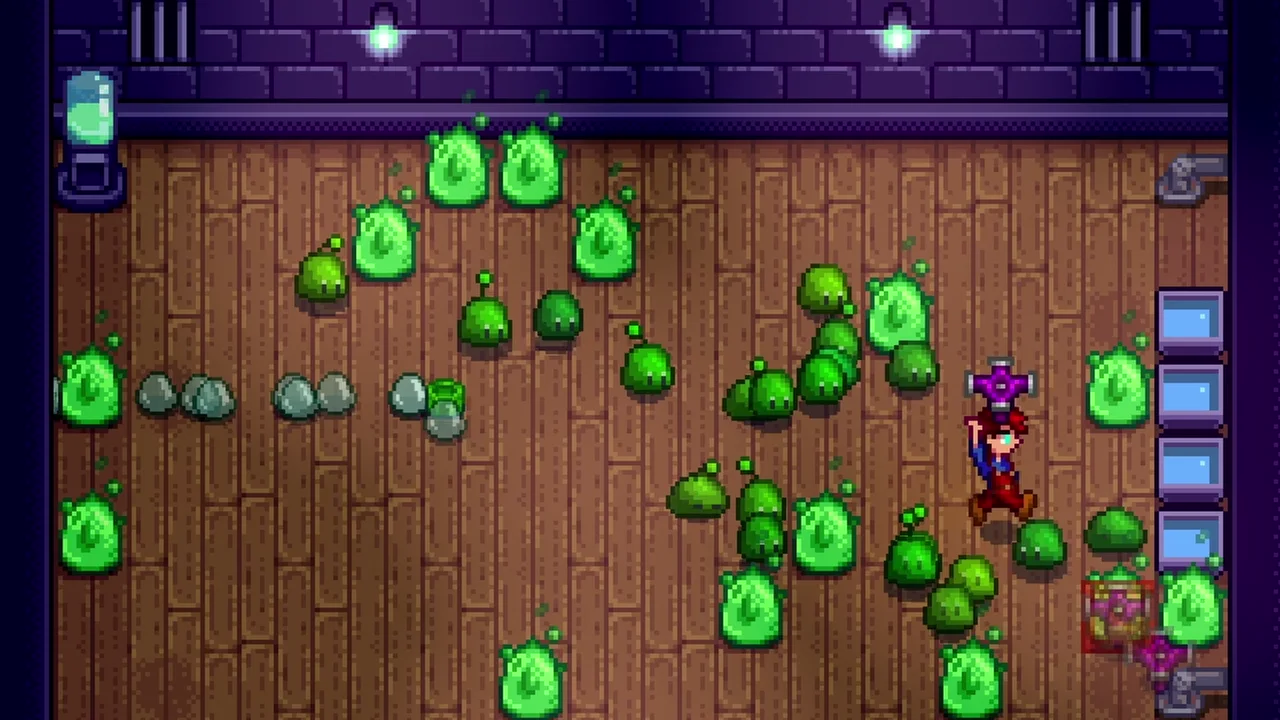
7. Match Dehydrators to surplus fruit
A Dehydrator takes five matching eligible fruit or mushrooms in one batch and finishes quickly. It is useful when large harvests exceed your keg capacity. The high price of one dried product must be compared with all five ingredients, rather than the value of a single fruit.
Keep premium fruit for wine when maximum value per ingredient matters and you have the equipment to process it. Use Dehydrators to move surplus that would otherwise wait in a chest. Not every crop can be dehydrated. Match the machine to its valid inputs and your collection schedule, then judge profit by both the material used and the time you are willing to spend.
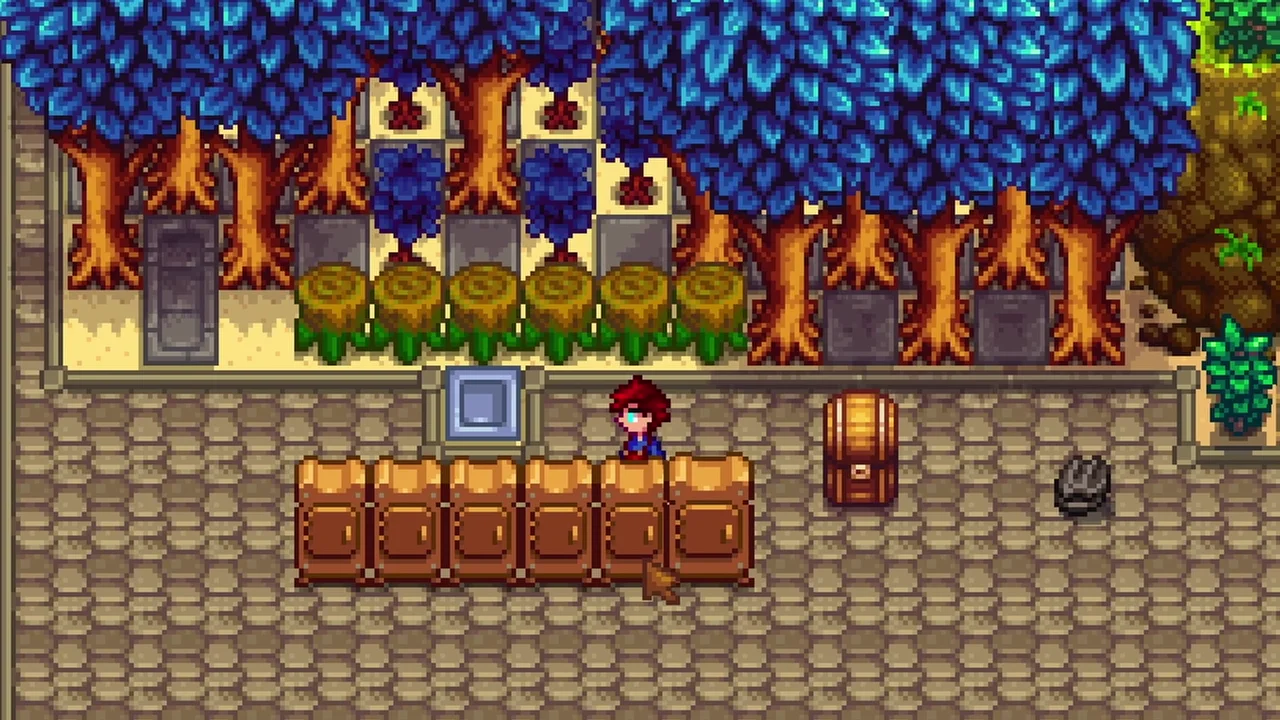
8. Use your spare Prismatic Shards
Keep your first Prismatic Shard for a considered priority such as the Galaxy Sword, and remember the museum donation when planning later finds. After the important uses are covered, spare shards can improve tools and weapons at the Forge.
Choose the enchantment you want before rerolling so you know when to stop. Tailoring and other optional uses are valid if they are what you enjoy; they simply compete with equipment upgrades. A rare item does not need to remain in a chest forever to be valuable. The goal is to turn your surplus into a benefit you will actually use.
For the next step, see my Prismatic Shard guide.
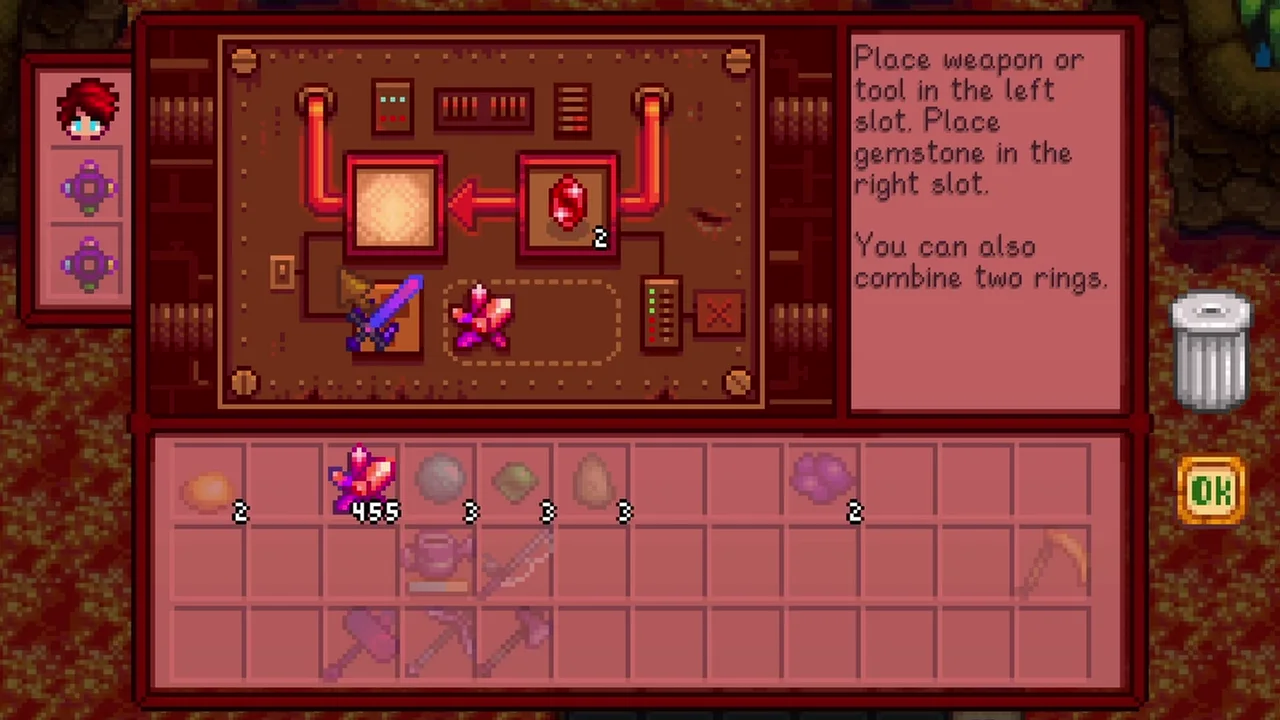
9. Balance processing with cash flow
Processing usually raises an item’s sale value, but every machine has limited capacity and a collection routine. Sell part of a harvest directly if that cash pays for a useful upgrade or keeps the next planting on schedule. You can still process the remainder.
Truffles are a good example: Botanist-quality truffles can be sold immediately, while oil adds more value with Artisan but requires machine work. Wine and aged wine have still longer queues. Avoid Stardew Valley resource mistakes by deciding which products deserve your limited processing space, rather than insisting that every item must pass through a machine before it can leave the farm.
For the next step, see my money-making guide.
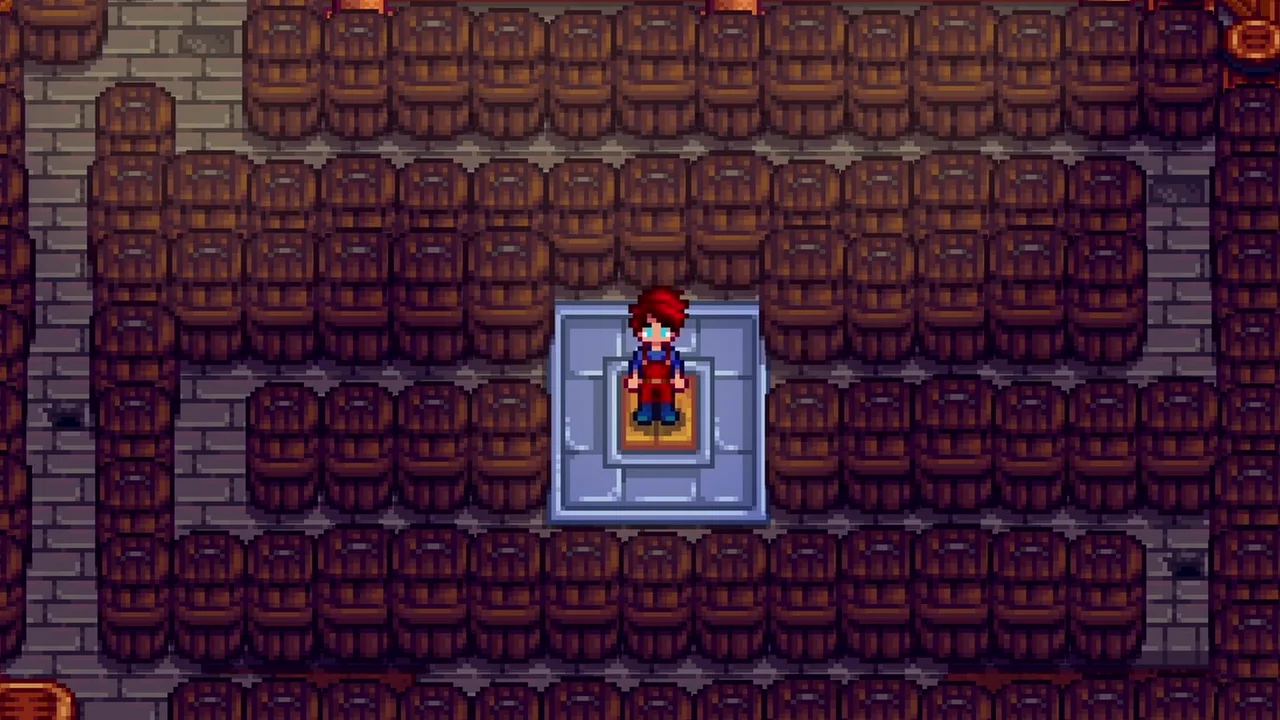
10. Build a Battery Pack reserve
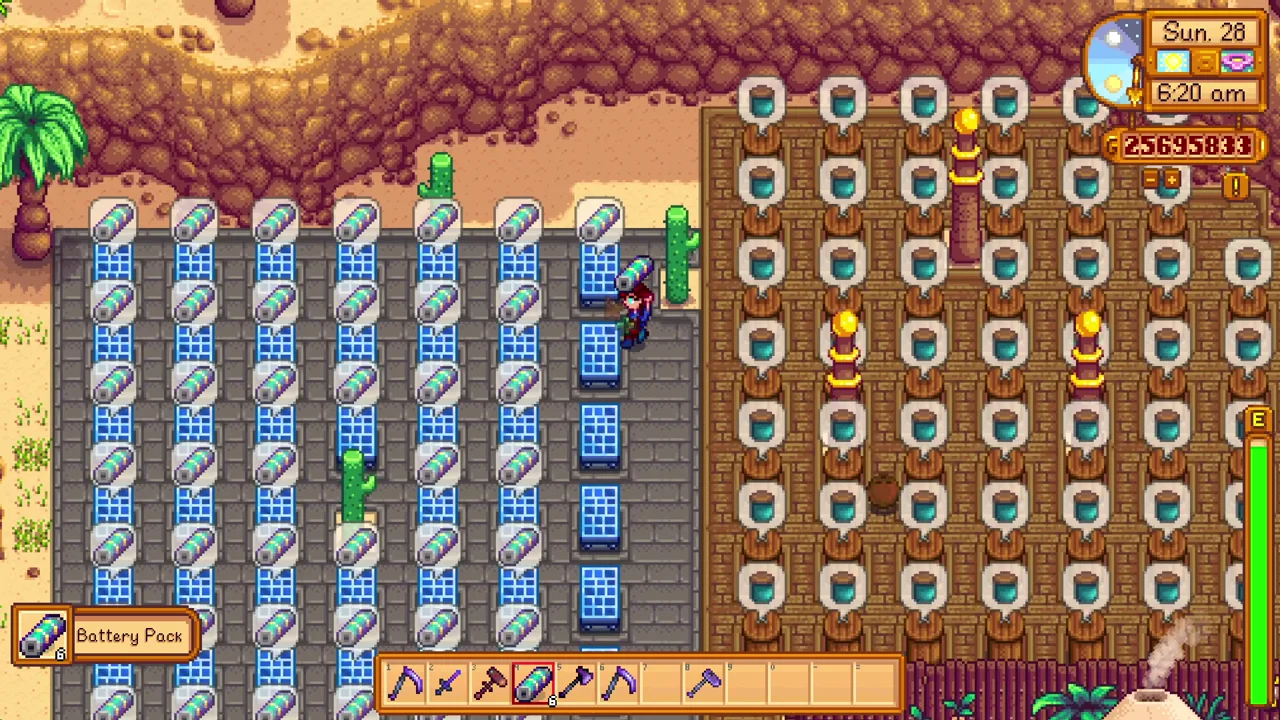
Build Lightning Rods before you need a large batch of Battery Packs. They are used in important crafting and island progression, and a sunny forecast cannot repair an empty stockpile on demand. Keep a reserve with the materials for your next planned project.
Natural storms are an early source; Solar Panels provide another option after their recipe is unlocked. Rain Totems do not recreate the old storm-chaining behavior in current 1.6. More rods improve preparedness, but they do not mean a fixed number of batteries every day. Planning ahead is more reliable than treating weather as an unlimited resource shop.
Watch the full video

More Stardew Valley guides
Keep planning your farm with my beginner’s guide and money-making guide.
Mechanics references: Fairy Dust, Hopper.