

The best Stardew Valley money methods change as your farm grows. Fishing can fund the first upgrades, Preserves Jars bridge the gap before a large keg setup, and repeatable systems such as wine, honey, and animals make later income easier to manage. This guide follows my video through eleven options. Choose by your current unlocks, available equipment, and how much daily work you enjoy—not just the largest number on a shipping screen.
Watch the companion video on YouTube, or use the contents below. This guide includes late-game spoilers. Mechanics and availability can vary by game version and platform.
Stardew valley money methods: contentsOpen contents
1. Early fishing income
When you first start a new farm, you are poor. Painfully poor. You need seeds, tools, a backpack upgrade, buildings, animals, and apparently enough money to keep Pierre employed. And at this stage, most money-making methods are terrible. Your crops are slow. Your farm is tiny. Your energy is pathetic. Your watering can has the range of a sad sneeze. So if you want money fast, there is one method that carries the early game harder than almost anything else.
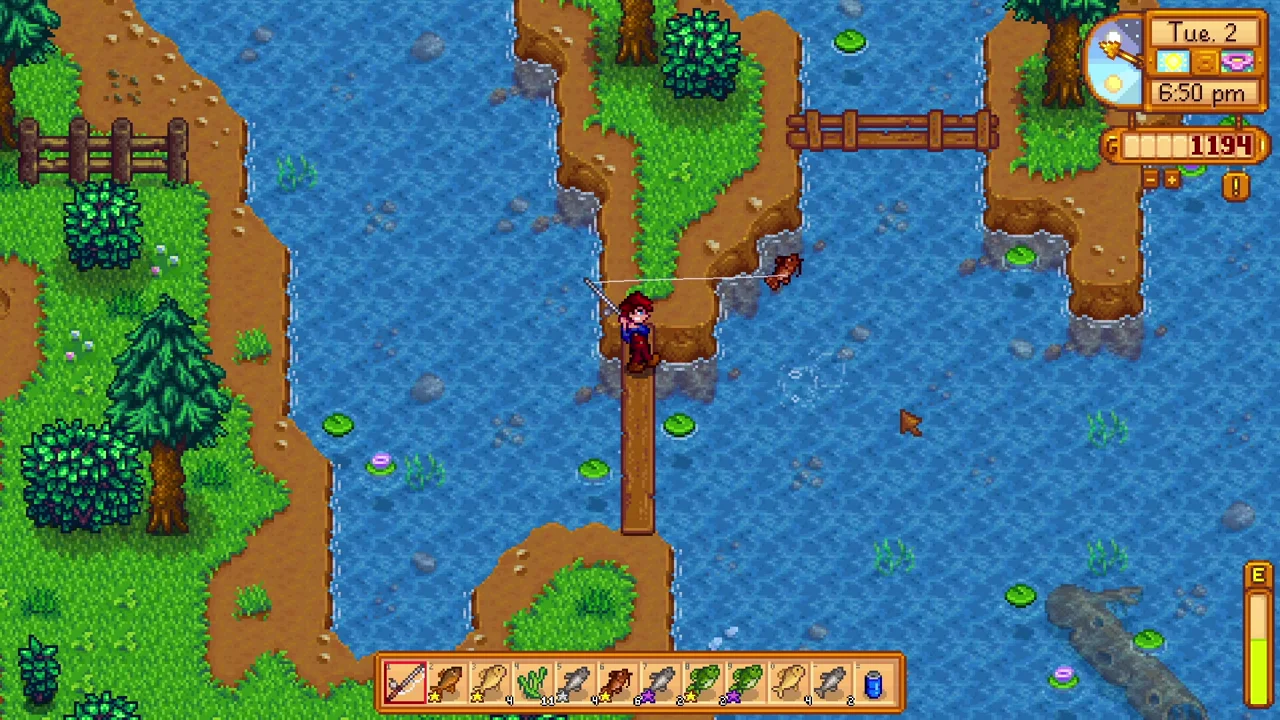
Fishing. Yes, fishing. I know some of you just physically recoiled, but listen. Early-game fishing is disgusting money. If it’s not raining, go fish in front of the mines. You can catch Largemouth Bass there, and once your fishing level improves, you’ll start catching higher-quality fish more consistently. If you have the fiberglass rod, fill it with bait and spend the whole day fishing. A good fishing day can easily make thousands of gold, and in the early game, that is life-changing money.
That is backpack money. That is strawberry seed money. That is “I no longer have to sell one parsnip and pray” money. And here’s the sneaky part: don’t sell everything immediately if you’re close to level five fishing. Wait until you unlock the Fisher profession, then sell your fish for more money. That one decision can squeeze extra gold out of the same work. Now, if it’s raining in Spring and you’re brave, go for catfish.
They are annoying. They are slippery. They fight like they owe you money. But they are worth it. So early game rule number one is simple: when you’re broke, fish. But fishing requires effort. And eventually, we want money that doesn’t make your fingers feel like they survived a boss fight. So let’s move to the first real “money printer” most players can unlock.
For the next step, see my fishing guide.
2. Tea Saplings from Caroline
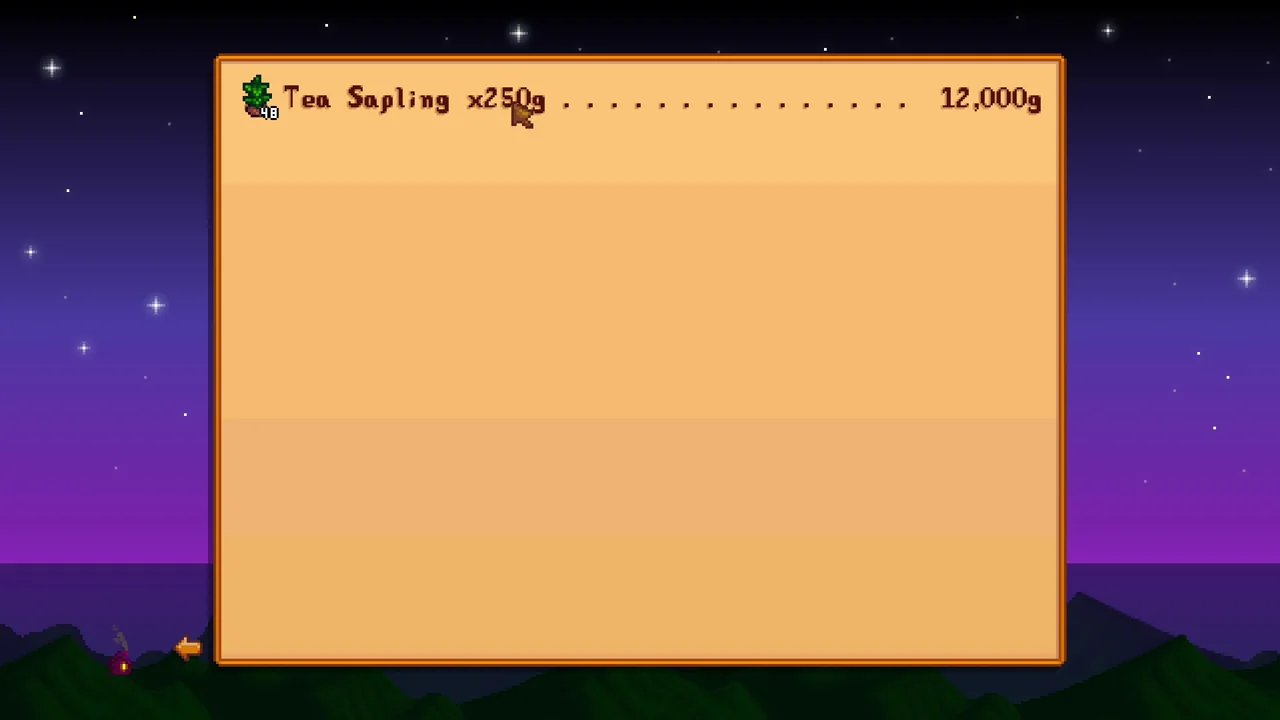
Tea Saplings sell for 250g in Stardew Valley 1.6, rather than the older 500g price. Reach two hearts with Caroline and trigger her sunroom event on a non-rainy day between 9am and 5pm; the recipe arrives the following day. Each sapling requires wood, fiber, and seasonal Wild Seeds.
Convert spare resources only after checking what you need for crops and crafting. The method can provide quick cash without waiting for a harvest, but wood and fiber are not free simply because you collected them earlier. Among early Stardew Valley money methods, Tea Saplings work best as a useful supplement to fishing and manageable crop planting.
3. Preserves Jars before a keg empire
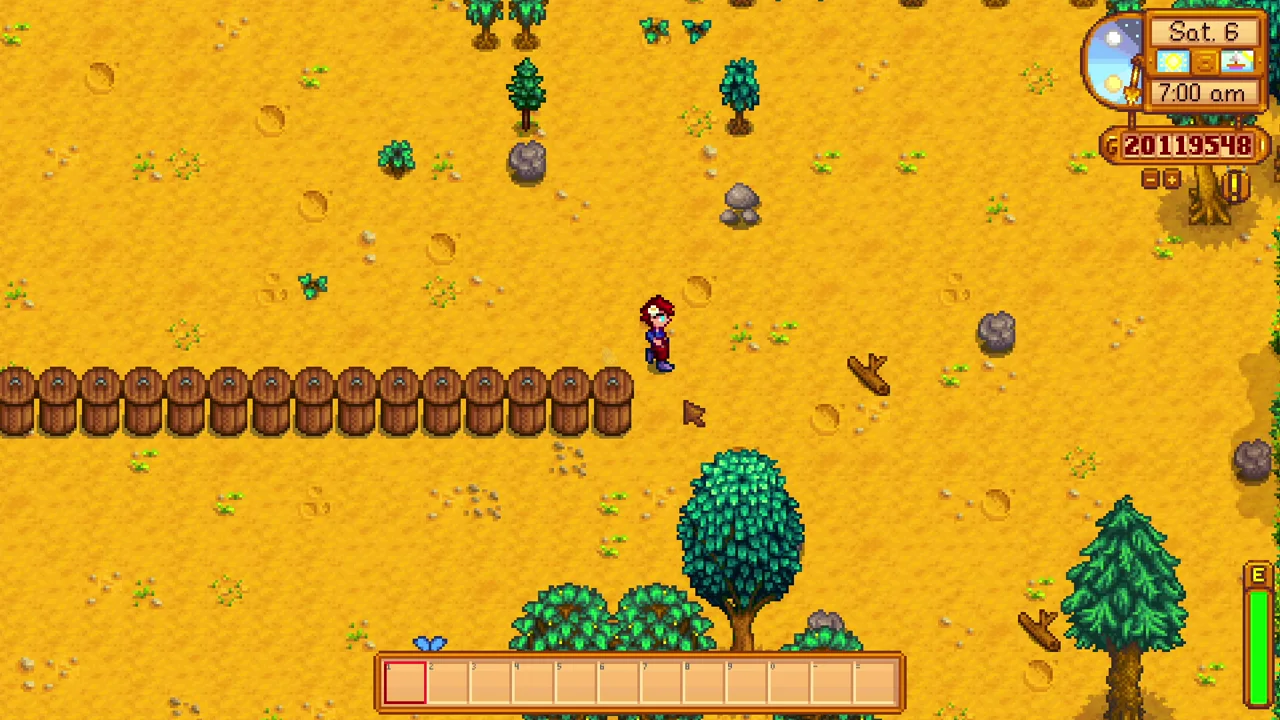
Preserves Jars unlock before kegs and process many crops faster. They are useful for building a processing routine while your oak tappers and mining supply are still developing. Cheap fruit and vegetables can be good candidates, especially when the alternative is an idle machine or a chest full of produce.
Jars still cost resources, including a substantial amount of coal, so they are not universally cheaper in the resource that limits your farm. Compare your current supplies, the product value, and turnaround time. A few working jars can fund the next upgrade while you gradually build the keg capacity needed for higher-value fruit.
4. Starfruit and Ancient Fruit wine
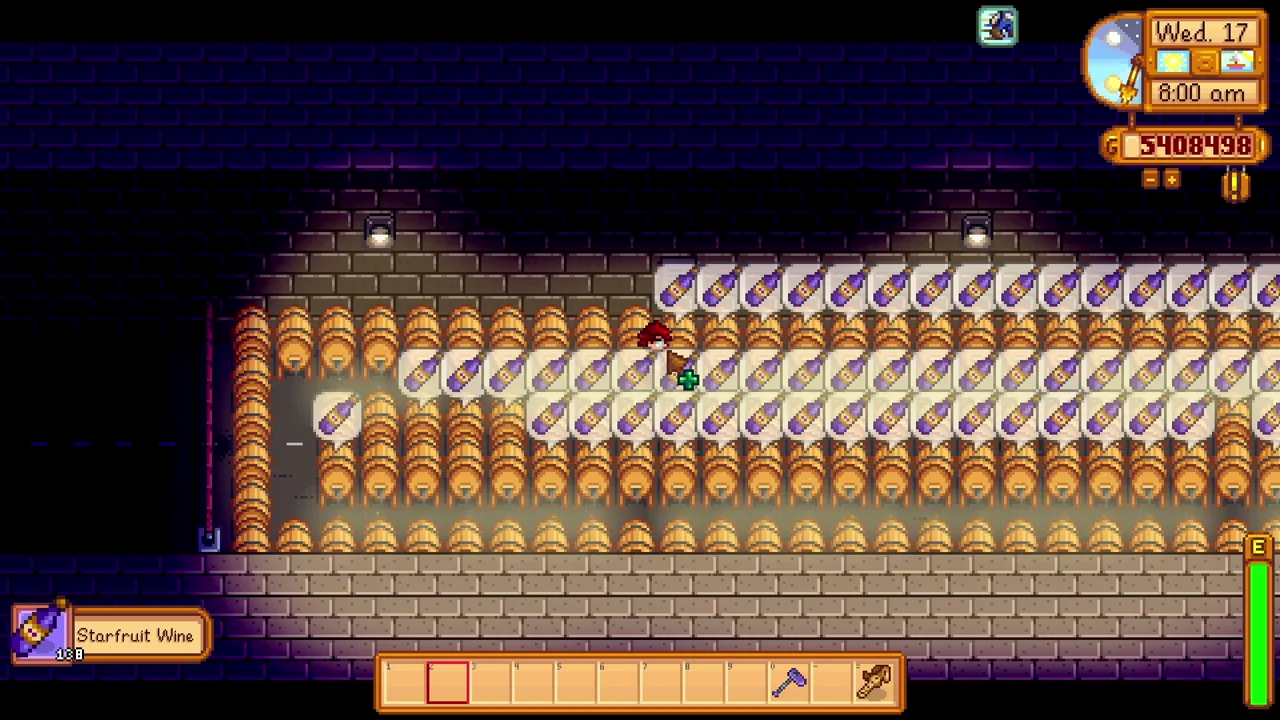
Wine is where Stardew Valley stops being a farming game and becomes a financial crime simulator. The idea is simple. Put fruit into a keg. Wait. Become rich. Kegs multiply the value of fruit, which means the more valuable the fruit, the more disgusting the profit. To craft kegs, you need wood, copper bars, iron bars, and oak resin. The ores are easy enough. Repeat mine floors for copper and iron.
But oak resin is the bottleneck. So start tapping oak trees early. Do not wait until you unlock kegs and then suddenly realize you have the oak resin supply of a Victorian child. Plant oak trees. Tap them. Hoard the resin. Your future self will thank you. Now, for the actual fruit, you have two main kings. Starfruit and ancient fruit. Starfruit wine sells for a massive amount, especially with the Artisan profession.
It is one of the best ways to make serious money in the game. The downside is that starfruit requires replanting, seed buying, and more active management. Ancient fruit is different. It takes longer to set up, but once it’s fully grown, it produces every seven days. That makes it perfect for the greenhouse and Ginger Island. Starfruit is higher effort, higher value. Ancient fruit is lower maintenance, extremely consistent.
Personally, I like ancient fruit for lazy wealth and starfruit for when I want to feel like Joja should be afraid of me. Keep this in mind. Do not build your entire money plan around wine until you actually have enough kegs. If you grow 500 starfruit and own 12 kegs, you do not have a wine empire. You have a fruit storage problem. That’s where preserve jars, dehydrators, and direct selling can help.
But once your keg setup is running, wine becomes one of the best money machines in Stardew Valley. And then, of course, players find a way to mess it up. They age all of it. Don’t. If you age every bottle of wine, you lock your money in a basement for 56 days. Age some. Sell some. Reinvest constantly. Because the goal is not to make one perfect bottle.
The goal is to build a farm so profitable that your casks physically cannot keep up.
For the next step, see my seasonal crop guide.
5. Pigs and truffles
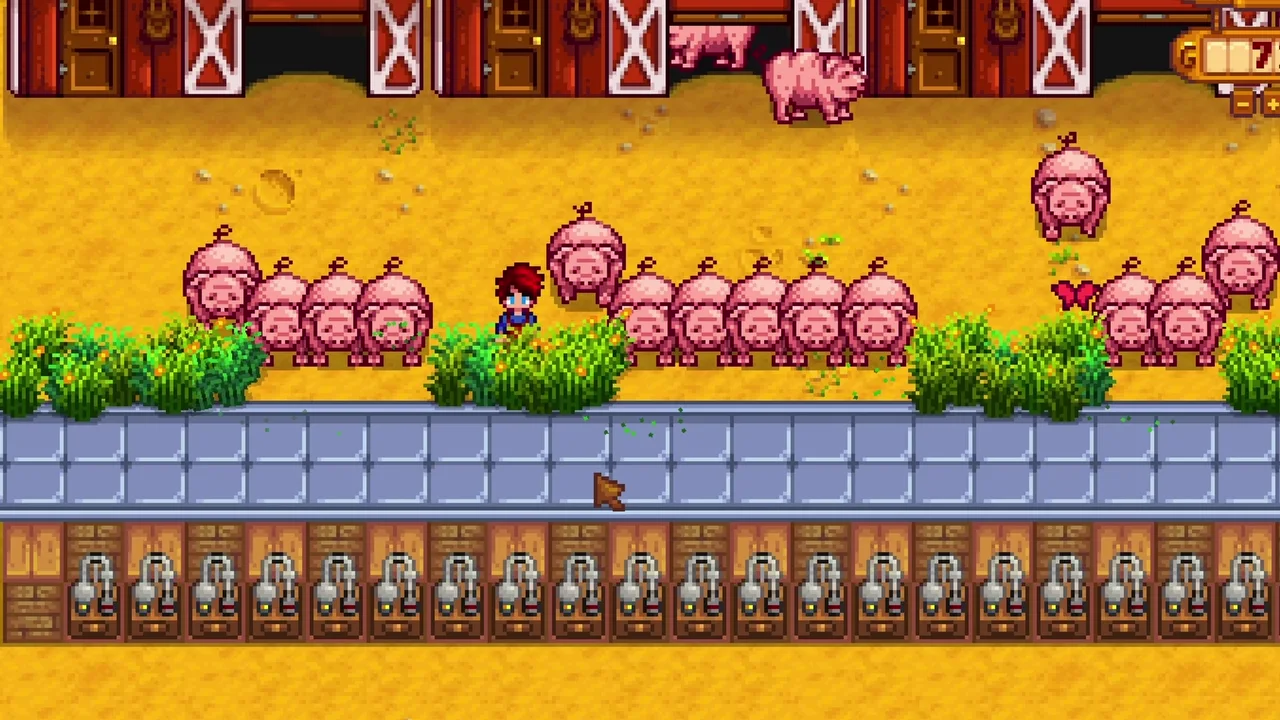
Pigs are ridiculous. They are basically four-legged money detectors. Once they are grown, happy, fed, and allowed outside, they can find truffles on your farm. And truffles are where animal farming becomes serious. There are two ways to make money here. The first is truffle oil. Put truffles into oil makers, and with the Artisan profession, truffle oil sells for a lot. This is very profitable.
But it also requires machines, collection, processing, and a little bit of babysitting. The second method is lazier and honestly beautiful. Use the Botanist profession. Now every truffle you pick up is iridium quality. Instead of turning them into oil, you can just sell them directly. Yes, truffle oil sells for more. But raw iridium truffles are fast, easy, and require almost no processing. And that matters.
Because sometimes convenience is profit. If you have 30 pigs, processing every truffle can become a chore. Selling iridium truffles directly might make slightly less per item, but it can save you a ton of time and machine space. The only real downside is that pigs are seasonal. They do not find truffles in winter. They do not find truffles in rain. Apparently pigs looked at weather and said, “No thank you.
I am unionized.” So pigs are incredible, but they are not perfect. That’s why the best money farms usually don’t rely on one thing. You want multiple engines. And the next one is one of the most underrated passive money setups in the entire game.
6. Fairy Rose Honey on Ginger Island
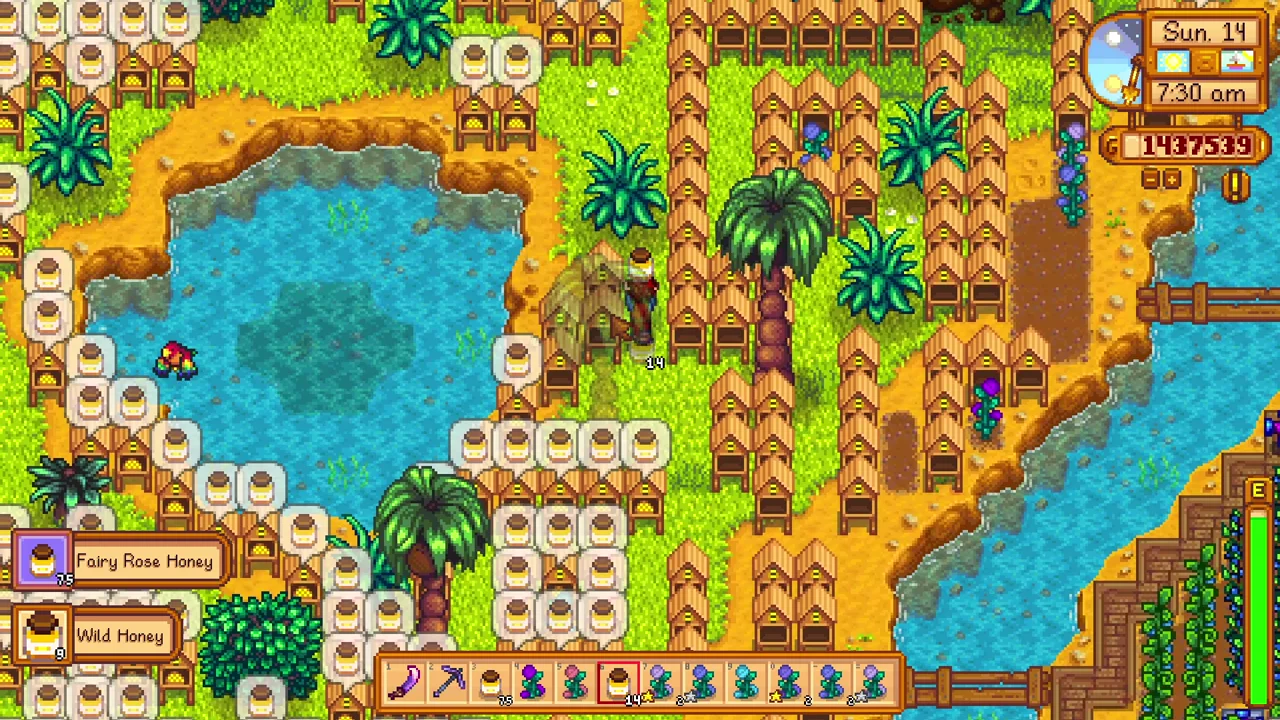
Bee houses are better than people think. Regular honey is fine. Flower honey is better. But Fairy Rose Honey is where things get stupid. If you place bee houses near Fairy Roses, they produce Fairy Rose Honey, which sells for a very nice amount, especially with Artisan. And the best part? Bee houses produce every four days. No replanting. No harvesting. No “oops I forgot to put fruit into 300 kegs.” Just honey.
Again and again. Now, this works beautifully in Fall on your farm, but the real power is Ginger Island, because flowers can stay there year-round. Set up Fairy Roses, surround them with bee houses, and suddenly you have passive money just appearing forever. The only danger is accidentally picking the flower. If you pick the flower, your valuable honey becomes sad regular honey. So design your setup carefully.
Protect the flower. Respect the flower. Do not destroy your entire honey empire because your farmer got too enthusiastic. Fairy Rose Honey is not always the absolute highest money method, but it is one of the nicest because it is passive, clean, and low effort once set up. And if we’re talking passive money, there is another machine that deserves respect. It’s expensive. It’s annoying to craft.
But once it’s running, it quietly prints diamonds forever.
7. Diamond Crystalariums
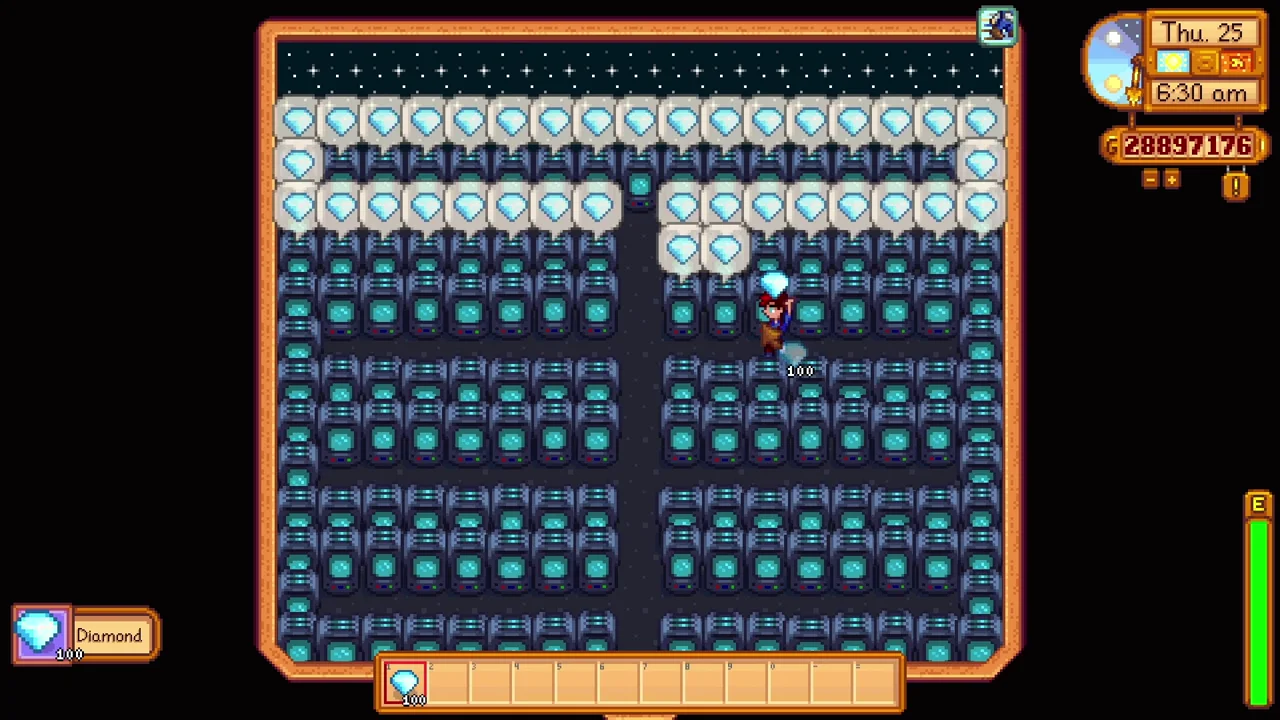
Crystalariums are simple. You put in a gem. They duplicate it forever. That’s it. That’s the whole business model. And the obvious choice is diamonds. With the right profession, diamonds sell for excellent money, and they duplicate every few days. A full shed of crystalariums can make a huge amount of gold with almost no effort. The downside is that crystalariums are expensive to craft.
You need batteries, gold bars, iridium bars, and stone. That means this is not really an early-game strategy. This is what you do once your farm is already strong and you want reliable passive income. But here’s why I like crystalariums. They don’t care about seasons. They don’t care about rain. They don’t care about crop layouts. They don’t ask for friendship. They don’t need to be petted.
They just sit there duplicating rocks like tiny illegal printers. And if you don’t want diamonds, you can use jade instead and trade it for staircases on Sundays at the Desert Trader, which helps with Skull Cavern runs. But for pure money, diamonds are the classic choice. Still, crystalariums have one major problem. Battery packs. You need a lot of them. More than you think.
No, more than that. Build lightning rods early and often, because late-game Stardew has a way of turning battery packs into the one resource you are always missing. But once crystalariums are set up, they are one of the easiest long-term money methods in the game.
8. Selling surplus Iridium Bars
Once your planned upgrades have a reserve, surplus Iridium Ore can become a saleable product. Smelt it into bars and compare the price with your current professions; Blacksmith improves metal-bar sale prices. Deep Skull Cavern runs are a source for experienced players who already have reliable combat and travel supplies.
Keep enough iridium for tools, sprinklers, Crystalariums, and other goals before selling it. Smelting still takes time and coal, so this is not money without processing. It is a way to turn an established mining routine into income after the material stops being your most urgent bottleneck. Strong preparation matters more than a promised ore total.
For the next step, see my Iridium Ore guide.
9. Radioactive Bars and Heavy Furnaces
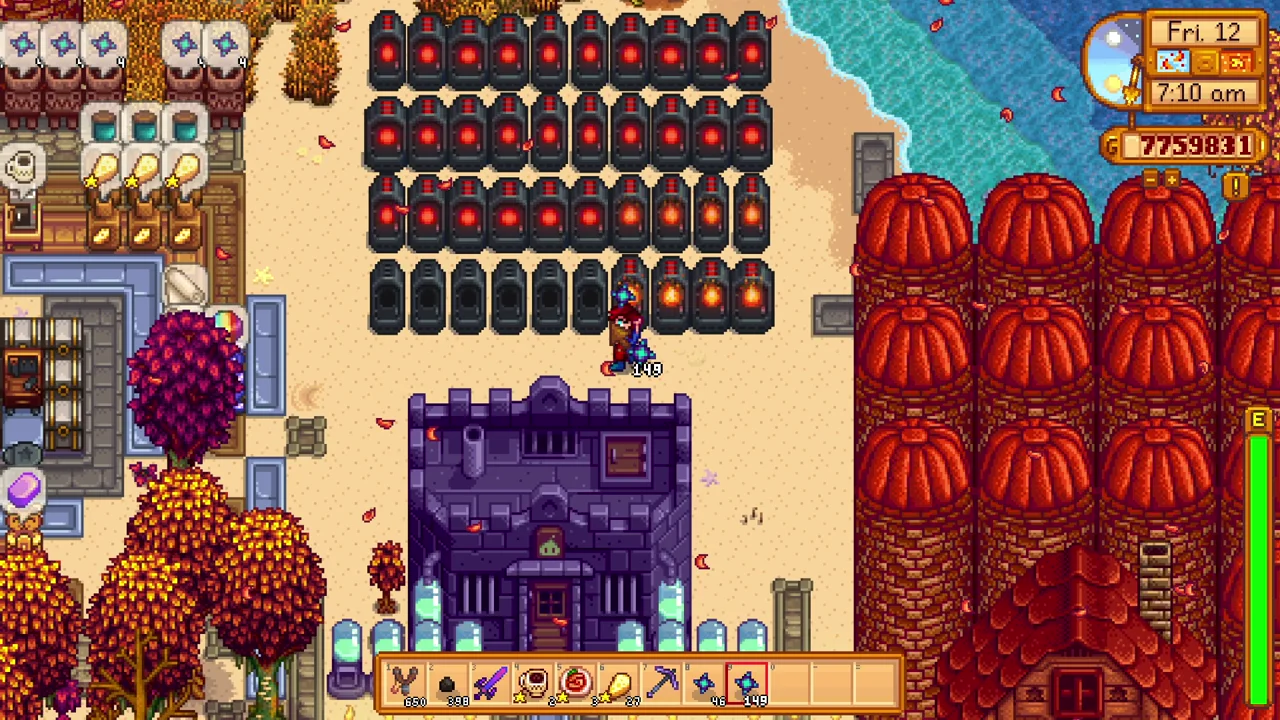
Radioactive ore is weird. It looks important. It sounds important. It feels like something you should keep because one day surely you’ll need 900 of it. But in reality, you only need so much. And if you want money, radioactive bars can be insane. With the Blacksmith profession, radioactive bars sell for a huge amount. The method is straightforward. Wait for a great luck day.
Use luck buffs. Go into the dangerous version of the mines. Farm radioactive ore. Turn it into bars. Sell the bars. And in 1.6, the heavy furnace makes this even better. Heavy furnaces process multiple bars at once, use coal more efficiently, and can even produce extra bars. When each bar sells for that much, every extra bar matters. This is one of those methods that feels almost wrong because you are selling something rare.
But again, Stardew is about opportunity cost. If you don’t need the radioactive bars, and they’re just sitting in a chest glowing ominously, that is not wealth. That is decoration with radiation. Sell them when it makes sense. Use that gold for something that actually moves your farm forward. Now, these mining methods are powerful, but they require effort. So let’s talk about a newer method that can make ridiculous money from fishing.
And this one is the reason I teased the “three days” method at the start.
10. Fish Smokers and Legend II
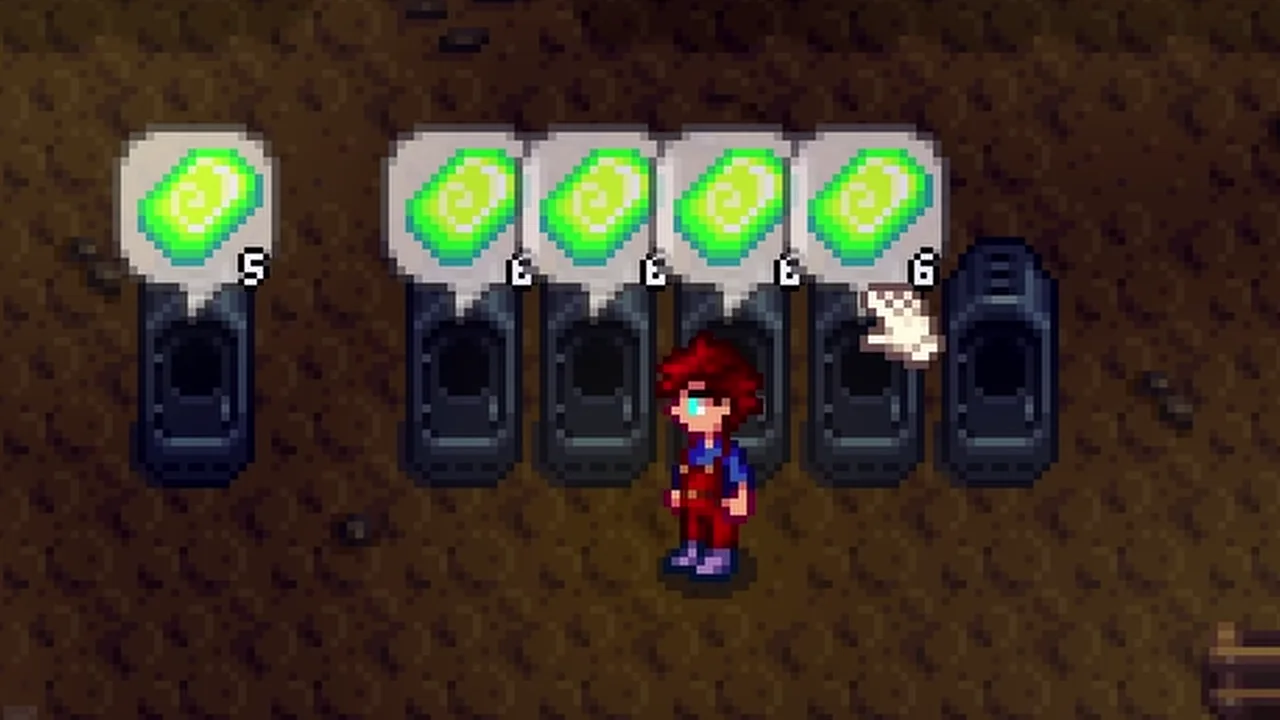
A Fish Smoker doubles a fish’s sale value while retaining quality, and the relevant fishing professions and Artisan can improve the result. Supply coal and target fish you can catch reliably. Expensive fish are attractive, but failed attempts and travel still take time.
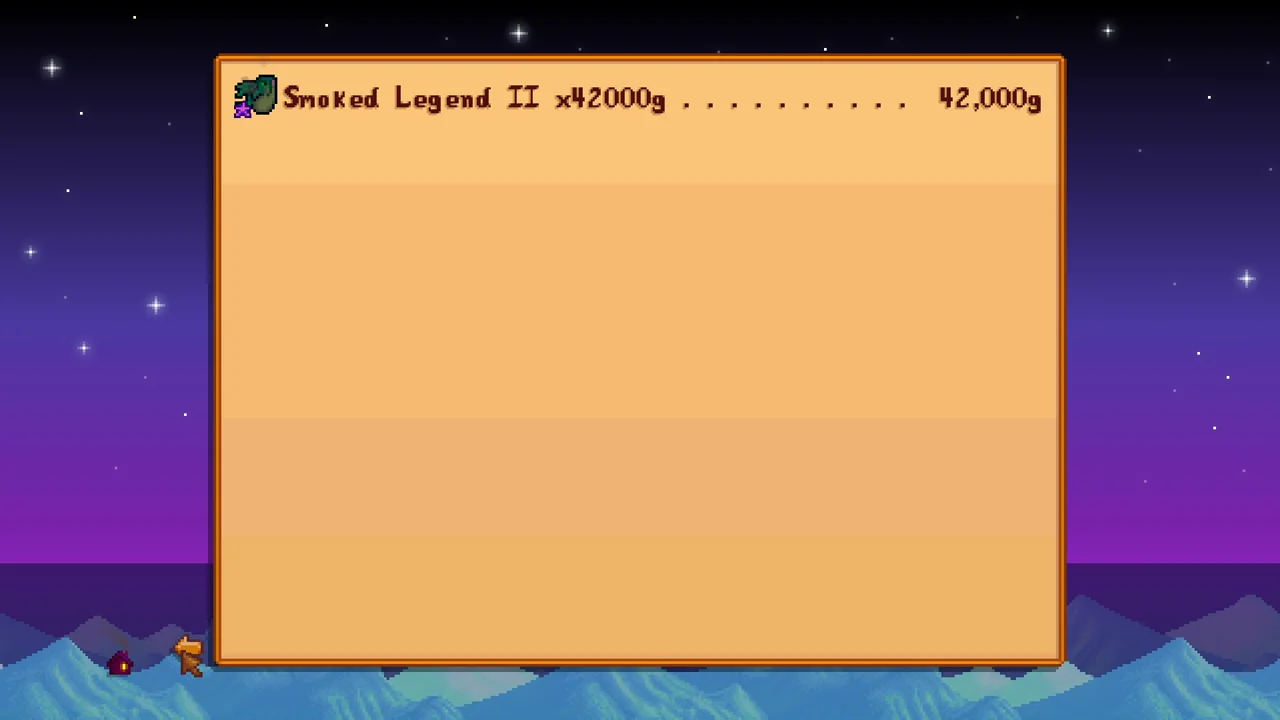
The Extended Family Qi challenge opens a limited opportunity to catch relatives of the legendary fish, including Legend II. While the challenge remains active, repeat catches can support a burst-income strategy; completing it ends that opportunity. This is a demanding late-game method, not a guaranteed payday for every player. Keep your original one-time legendary catches if you want them for display or ponds rather than consuming them for a single sale.
11. Golden Animal Crackers and goat cheese
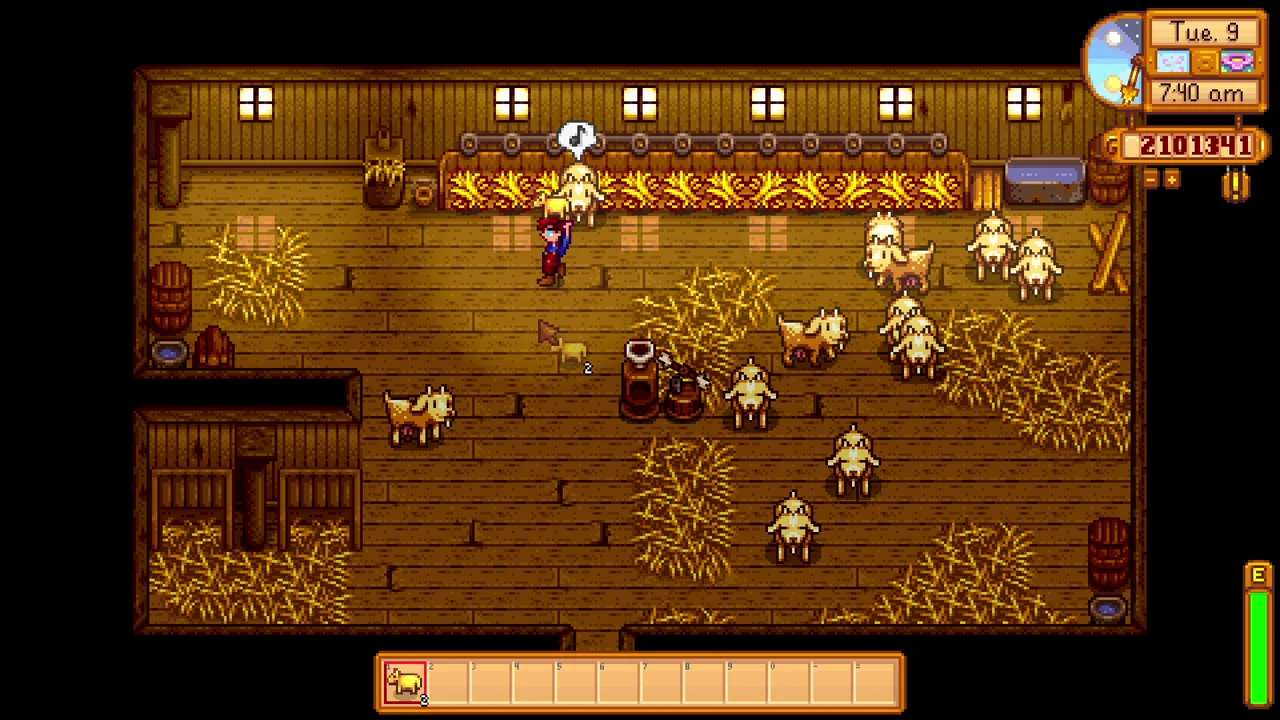
Golden Animal Crackers permanently double eligible animal output after you unlock access through Farming Mastery. They do not work on pigs. Goats are one option: turn Large Goat Milk into gold-quality Goat Cheese, then use casks if you want to age it further.
Large milk produces gold-quality cheese because of its size, not its star quality. Gold Goat Cheese takes seven days in a cask to reach iridium, giving a faster cash cycle than aging a fresh bottle of wine all the way to iridium. Compare output frequency, cask space, professions, and how often you want to collect. This is one of the late-game Stardew Valley money methods that rewards a consistent animal routine.
Watch the full video

More Stardew Valley guides
Keep planning your farm with my beginner’s guide and money-making guide.
Mechanics references: Fish Smoker, Goat Cheese.