

These weird ways to get rich in Stardew Valley are for the point where another field of Ancient Fruit no longer sounds exciting. I would start with a method that uses buildings and machines you already own: spare kegs, an established pond, or animals with automated collection. The video explores unusual income streams rather than claiming that every one beats wine. Here is what each setup does, what it still asks you to maintain, and where the profit can disappear.
Watch the companion video on YouTube, or use the contents below. This guide includes late-game spoilers. Mechanics and availability can vary by game version and platform.
Weird ways to get rich: contentsOpen contents
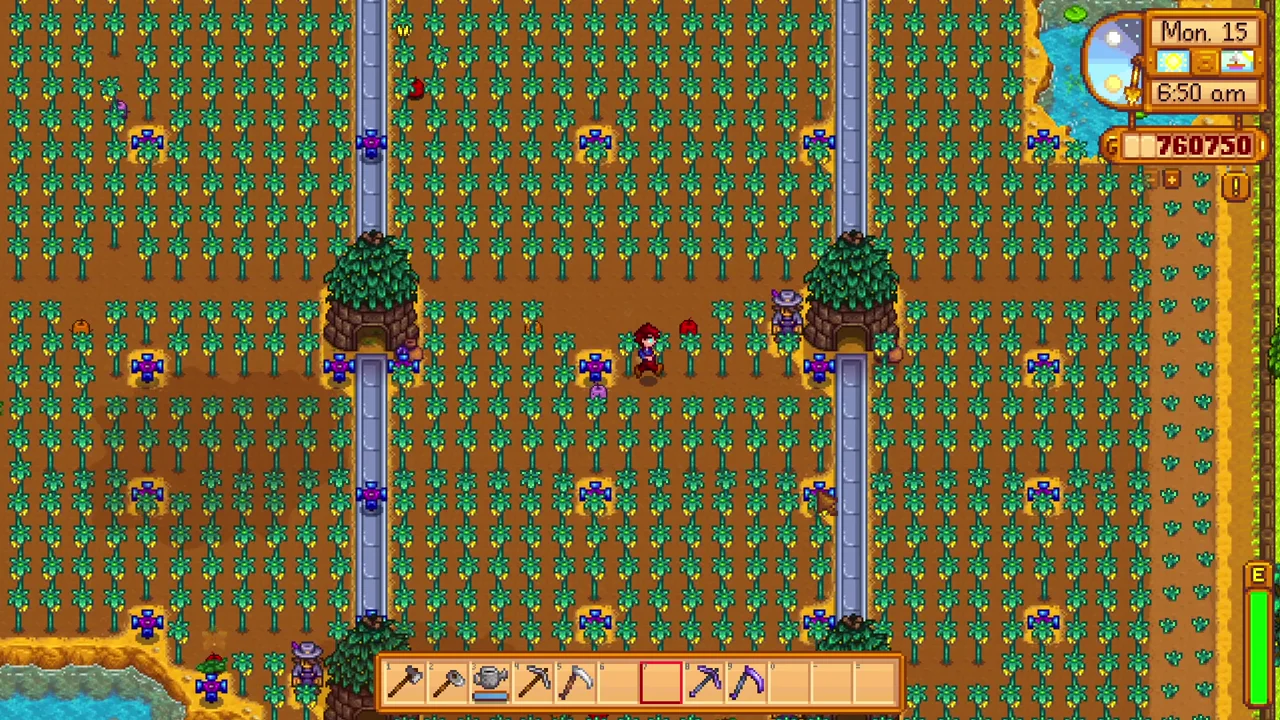
1. Junimo Huts harvesting hops
Hops can become valuable Pale Ale, but daily harvesting can take over your summer. A Junimo Hut can collect the crop within its working area, leaving you to manage planting, watering, and the keg supply. Build the field around the hut’s reach and keep a practical route through the trellises.
Junimos do not harvest in rain, and they are not a reason to ignore storage all season. Check the hut regularly and plan enough keg capacity to process the harvest. Saving hops for later is an option when you prefer a quieter summer, but it delays the income. This is one of the weird ways to get rich that trades immediate cash for a routine you may enjoy more.
2. Slime Hutch egg production
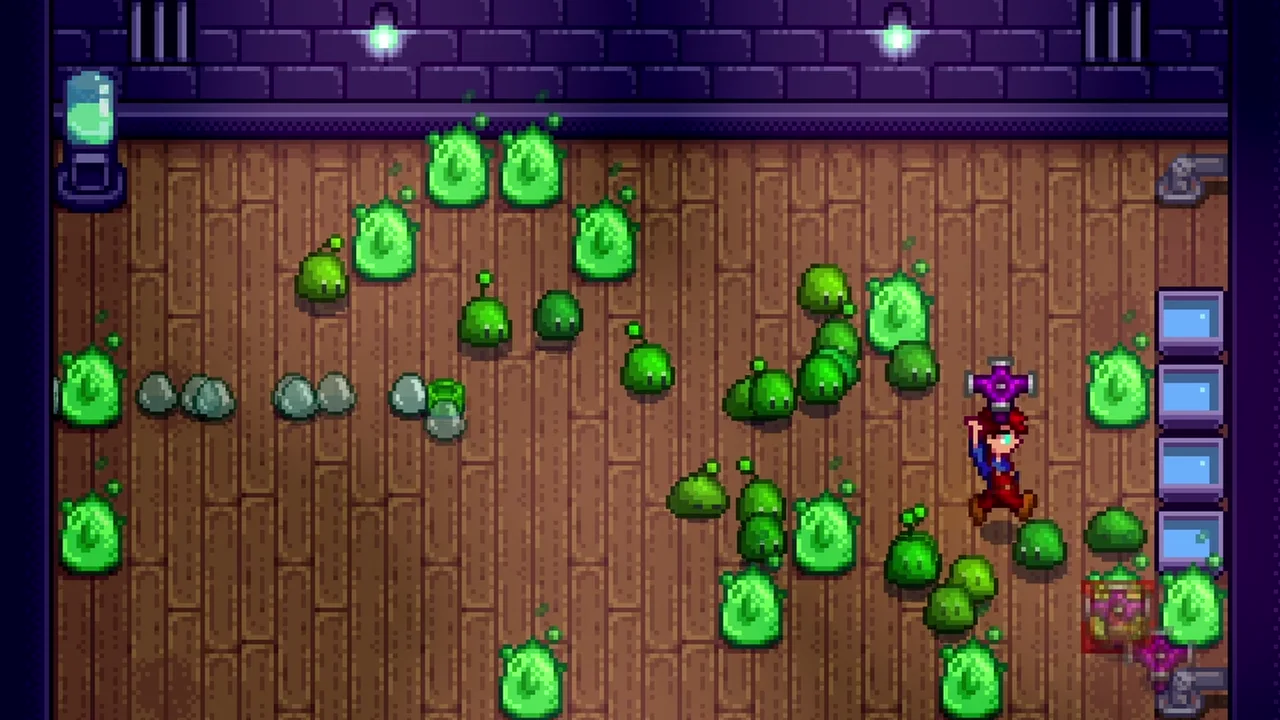
A Slime Hutch can turn a specialized building into a small egg-production project. Keep enough slimes alive, supply the water troughs, and give Slime Balls suitable unoccupied tiles on which to appear. A sprinkler can handle the troughs, while barriers let you separate the slimes from your collection route.
Collect the Slime Balls and process the slime in Slime Egg-Presses before selling surplus eggs. Do not cover every potential spawn tile with flooring. The setup still needs space and occasional collection, and it is not a promise to outperform a developed crop business. Build it because you like the project; the smaller 1.6 hutch is easier to fit than the older building shown in some guides.
3. Crab pots and sashimi
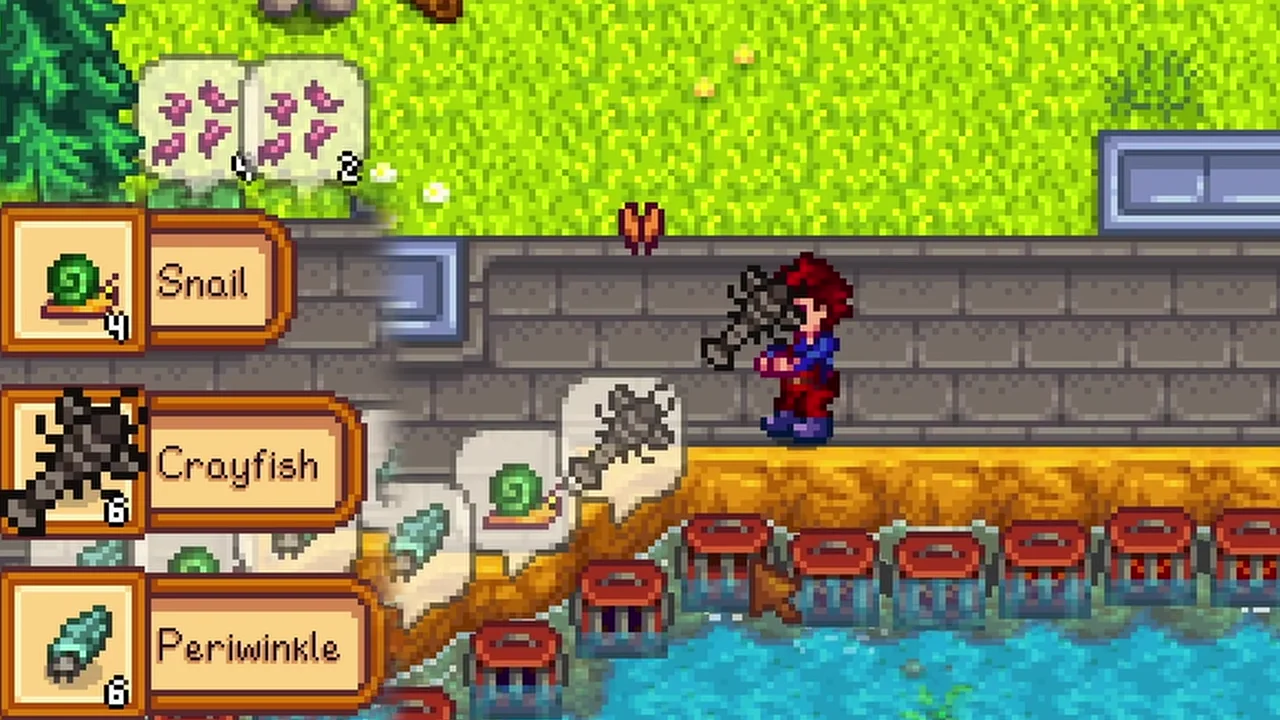
Crab pots provide a predictable collection route once you have enough pots and bait. The Trapper profession reduces their crafting cost, and Mariner removes trash catches. Place them somewhere you already visit so the daily income does not require a long detour.
Linus’s Sashimi recipe can improve the value of cheap catches, but compare the fish’s actual sell price first. Sashimi sells for 75g, so turning an expensive catch into it can lose money. Mariner also does not remove the need for bait. A small, convenient route is a better starting point than filling every available shoreline and discovering that collecting it feels like a second watering chore.
For the next step, see my fishing guide.
4. Auto-Grabbers and Auto-Petters
Auto-Grabbers collect eligible produce inside barns and coops, while Auto-Petters help maintain animal friendship and mood. Together they reduce daily work, especially in a Deluxe building with an automatic feeding system and a stocked silo. Keep food available and check the collection storage before it fills.
This is reduced maintenance, not permission to forget animal care entirely. A silo alone does not put hay on the bench in a building without an auto-feeder, and Auto-Grabbers do not collect outdoor truffles. You can sell the collected produce directly for convenience or process it when machine space and the extra value justify the work.
5. Raising and selling ostriches
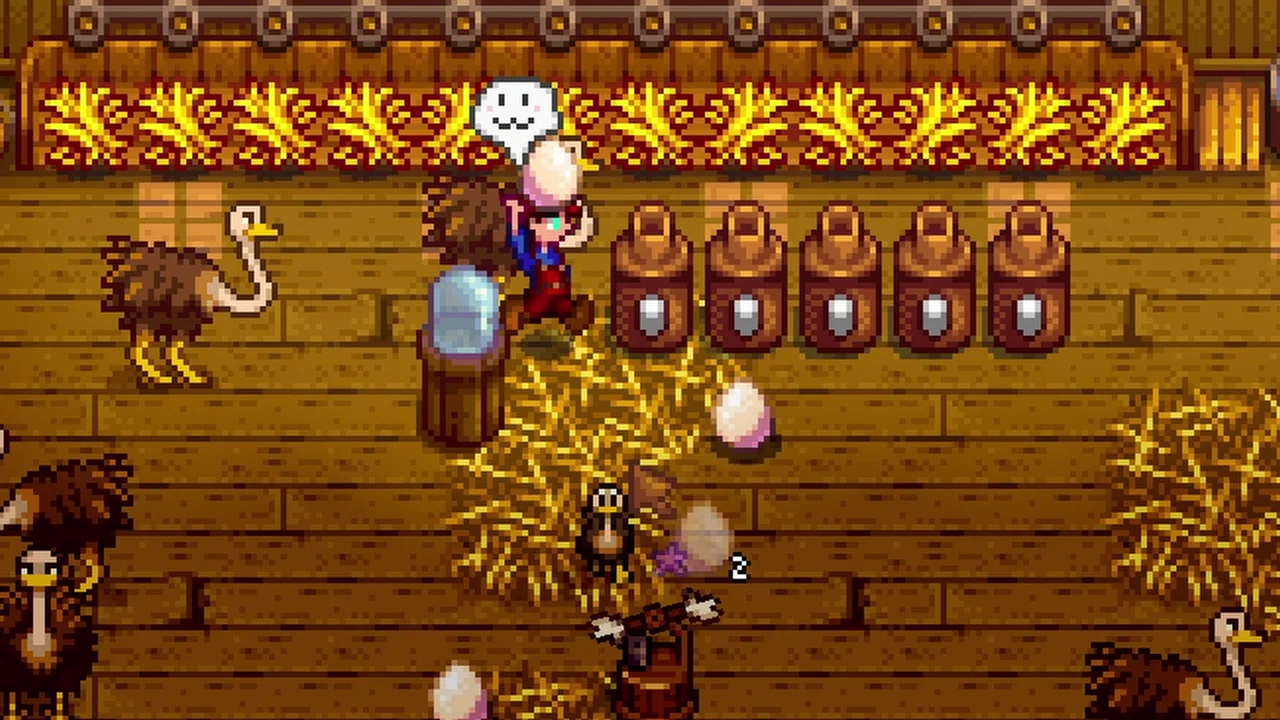
The normal way to make money from animals is simple: buy the animal, raise it, collect its product, turn that product into artisan goods, and profit slowly over time. But there is another way. You can raise animals, increase their friendship, and then sell them for more money. Basically, you are running a livestock friendship investment scheme. This can work with cows and goats, especially if you know how to increase friendship quickly.
But the really interesting version is ostriches. Ostriches can be hatched, raised, and eventually sold for a strong profit at high friendship. And while you are raising them, they can still produce ostrich eggs, which can be turned into mayonnaise. So they make money while becoming more valuable. That’s not an animal. That’s a business plan with feathers. Now, is this something every player should do?
Probably not. Some people get attached to their animals. Some people name them. Some people would rather delete their save than sell “Bongus” the cow. And I respect that. But if you are cold enough, animal flipping can make surprising money.
6. Lava Eel Fish Ponds
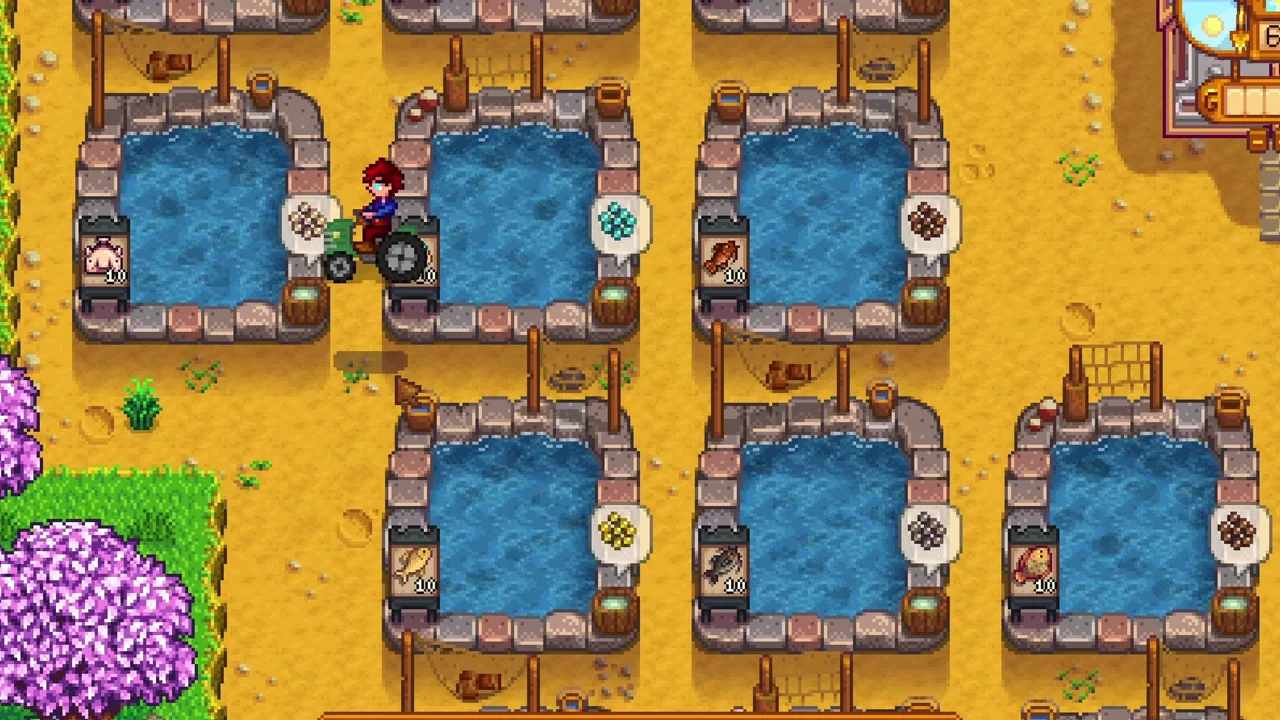
A Lava Eel pond offers a different rhythm from a field of wine crops. Complete the pond requests, let its population grow, and collect the output when available. Roe can go into Preserves Jars for higher-value Aged Roe, while the pond can also produce useful extras.
A Fish Pond occupies a 5-by-5 footprint, but comparing it with twenty-five crop tiles requires accounting for crop growth, seed cost, machines, and collection time. Roe is not guaranteed every day. Choose ponds when you enjoy their steady routine and resources; they are one of the weird ways to get rich that makes a farm feel different without requiring a completely new daily skill.
For the next step, see my Fish Pond guide.
7. Buying honey from Sandy for mead
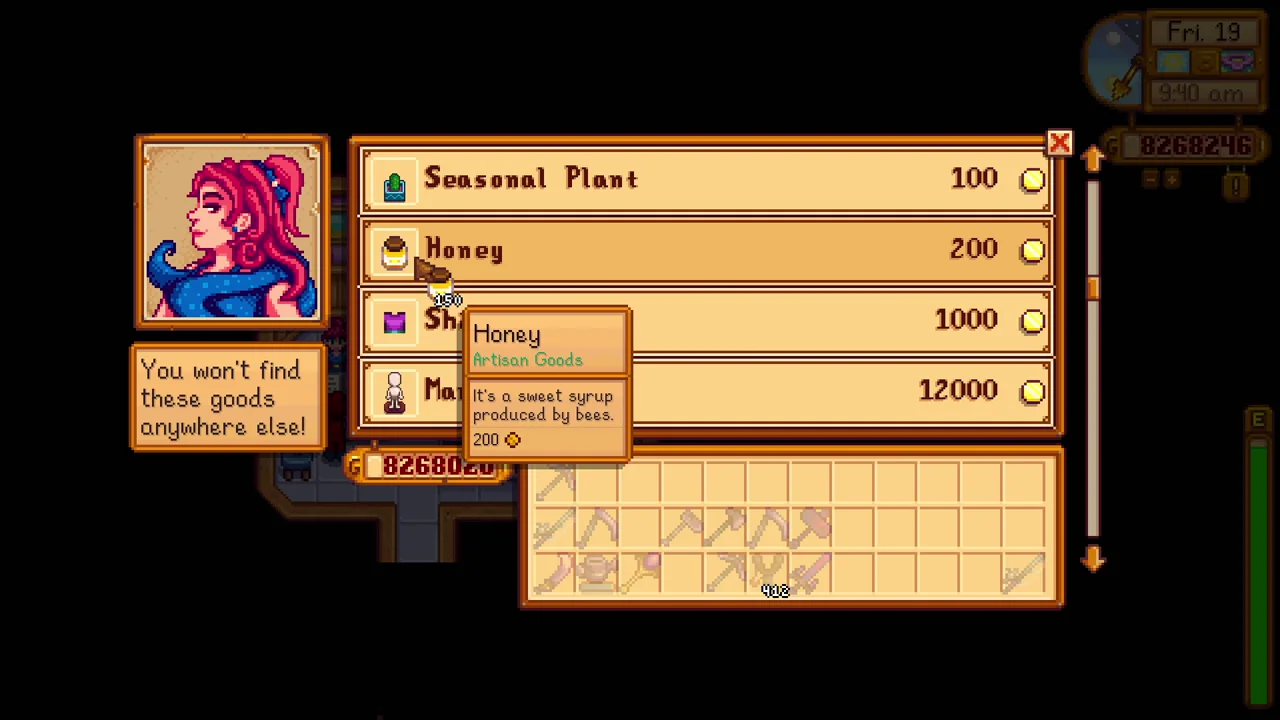
Sandy sells Honey for 200g on Fridays at the Oasis. Put it into spare kegs and sell the Mead for 300g, or 420g with Artisan. With Artisan, that is 220g above the ingredient purchase price before considering travel and the value of occupying the keg.
The result is Mead, not more Honey, and it takes processing time rather than producing an instant payout. This works best when your kegs would otherwise sit empty. Do not replace a more valuable production queue without comparing it, and do not use expensive flower honey for the same trick: Mead does not preserve the flower’s premium value. Buy a manageable batch first and measure the routine before scaling.
8. Monster Musk and monster loot
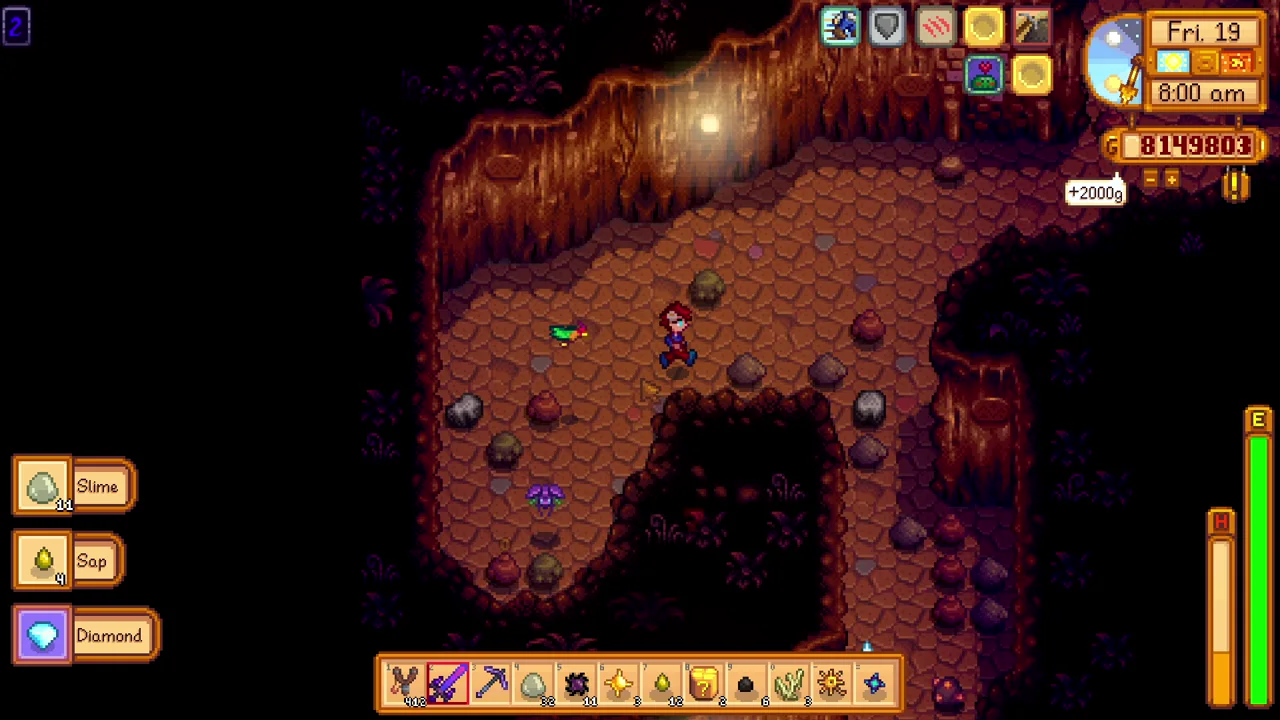
Monster Musk increases the number of monsters you encounter, and a Burglar’s Ring can improve the loot from enemies you defeat. Combine them when you already have the equipment and healing to farm monster-heavy floors comfortably. Collect useful crafting supplies first, then sell genuine surplus.
The footage also shows late-game loot tools, so do not judge a fresh save by the same income expectations. Slime Egg drops require the relevant Slime Hutch unlock, and no ring turns every enemy into a guaranteed valuable drop. These weird ways to get rich are most enjoyable when the combat itself is part of the reward, rather than a dangerous chore you tolerate for a promised jackpot.
9. Choosing eggs for mayonnaise
Void chickens look cool. They are edgy. They are mysterious. They produce void eggs, which can be turned into void mayonnaise. And you would think void mayonnaise should be amazing. It sounds like something you’d sell to a wizard for forbidden money. But it is not as good as you think. Large regular eggs can turn into gold-quality mayonnaise, and that can actually be more profitable than void mayonnaise.
So somehow, the normal chicken is standing there making better mayo than the dark magical chicken from the underworld. Then we have ostrich eggs. Ostrich eggs are ridiculous because one ostrich egg can create ten servings of mayonnaise. Ten. One egg goes in, a whole restaurant supply comes out. And if the ostrich egg has quality, the mayonnaise keeps that quality, which can lead to some very nice profit.
Suddenly the ostrich is not just a giant bird. It is a mayonnaise cannon. Then there are golden chickens. Golden eggs sound like they should be game-breaking, and they are definitely valuable, but considering how late they arrive and how much effort it takes to get them, they are more of a flex than a practical money plan. So the lesson is simple: do not judge mayonnaise by how evil the egg looks.
In Stardew Valley, regular chickens can outperform void chickens, ostriches are mayonnaise factories, and golden chickens are mostly there to make you feel powerful.

10. Growing giant crops
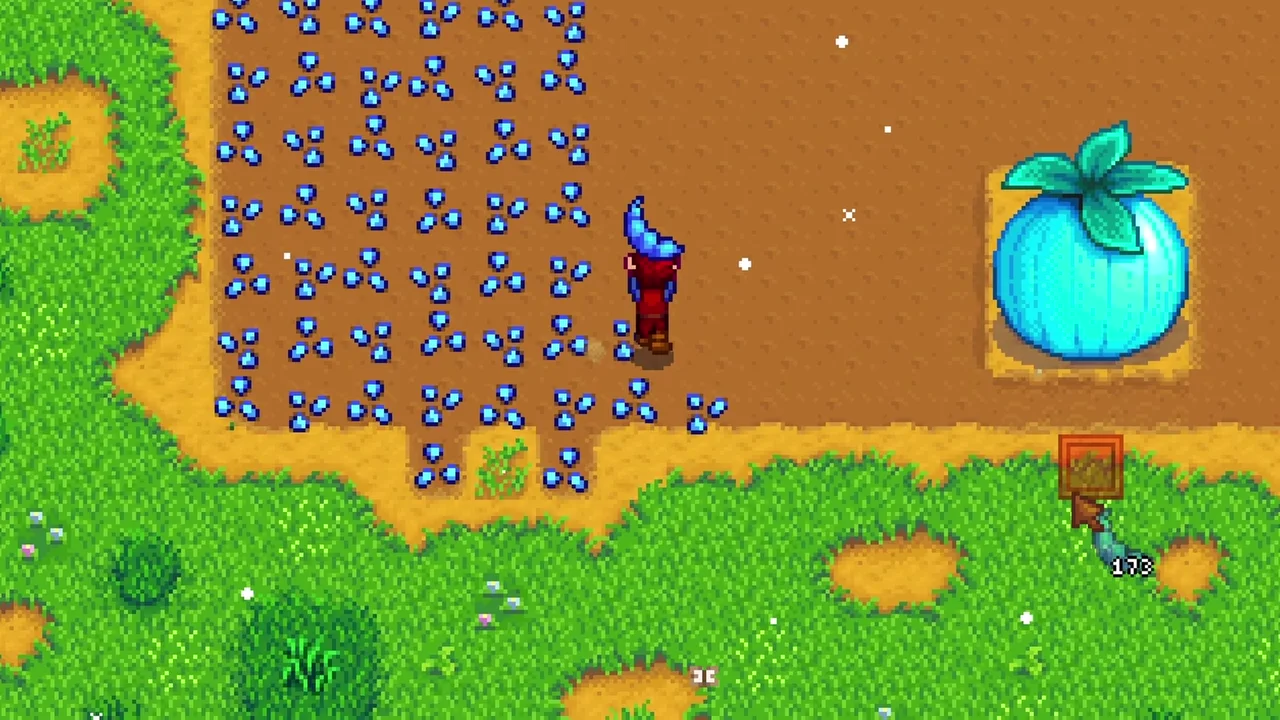
Giant crops are usually treated like decoration. You grow one, take a screenshot, feel proud, and then leave it there like a trophy. But giant crops can actually make money. Cauliflower, melons, and pumpkins can become giant crops when grown in a 3×3 grid. But here’s the fun part: if your crop field is bigger than that, the chances of giant crops appearing can keep applying across all those possible 3×3 spaces.
So instead of growing a tiny little crop square and hoping for the best, you can build a massive field designed to encourage giant crops. Use smart sprinkler layouts, pressure nozzles, or deluxe retaining soil to keep as many crop tiles active as possible. When you chop down a giant crop, it gives more crops than the original 3×3 section required to grow it. So if you can consistently create giant crops, you are literally farming bonus vegetables.
Is this the cleanest method? No. Is it slightly awkward? Yes. But there is something beautiful about making money because your pumpkins became too powerful for their own good. And honestly, if my crops are not mutating into profitable monuments, what are we even doing here?
11. Banana trees in the greenhouse
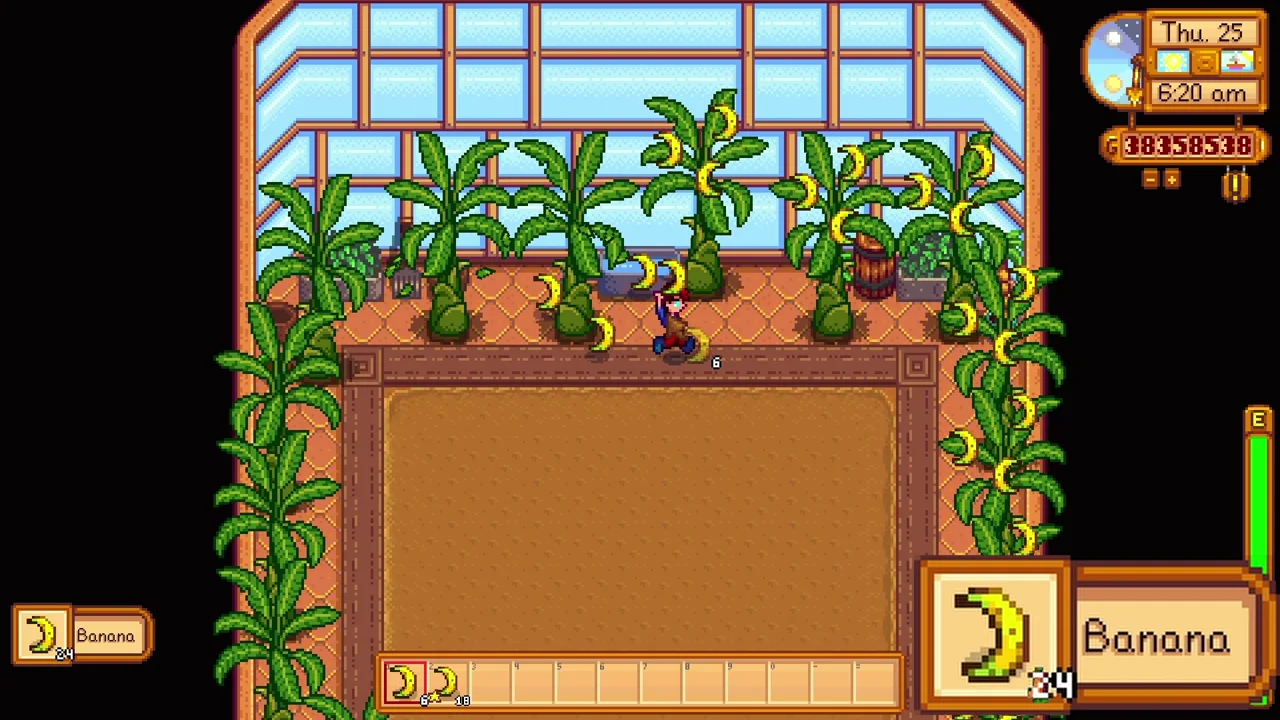
Fruit trees are usually not the most exciting money method. They take forever to grow, they cost a lot, and for most of the game, they feel like something you plant because you want your farm to look nice, not because you want to become rich. But the greenhouse changes things.Because once fruit trees are fully grown inside the greenhouse, they produce fruit every single day, all year round.
And if you fill the greenhouse edges with banana trees, you create a tiny passive banana empire. Each banana is not going to change your life on its own. But with enough banana trees producing every day, the money adds up over time. It is not dramatic. It is not explosive. It is not “half a million gold in three days” money. It is just free money.
Every day. Forever. Would I build my entire financial future around bananas? No. Would I say no to a greenhouse quietly printing fruit while I do literally anything else? Also no. Sometimes weird money is not about becoming instantly rich. Sometimes it’s about creating a system where you walk into a building and the trees have paid you again.
For the next step, see my crop guide.
12. Rare Seeds and Sweet Gem Berries
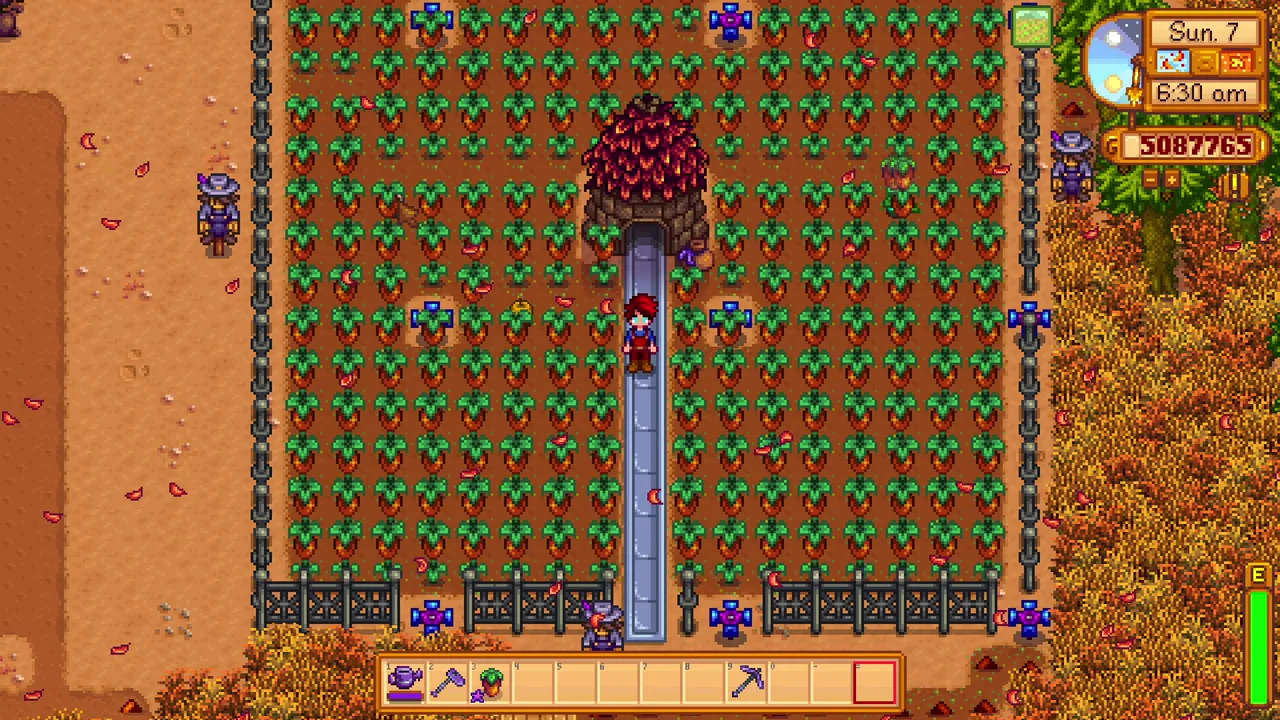
Rare seeds are weird. They are expensive, slow, and annoying to collect. So a lot of players ignore them. But if you handle them properly, they can become a surprisingly nice side hustle. The Traveling Cart sells rare seeds every Friday and Sunday during Spring and Summer for 1,000 gold. That means if you make it part of your routine, you can slowly collect them before Fall.
Then when Fall arrives, plant them and grow Sweet Gem Berries. Now, this is not the same as planting a normal crop. Rare seeds are too slow and too awkward to be your entire money strategy. But as a low-effort routine? It’s nice. You buy the seeds when they appear. You save them. You plant them in Fall, or use the greenhouse if you want more control.
Then you sell the Sweet Gem Berries for a very clean profit. Is it flashy? No. But it feels weirdly good because you are basically turning two weekly visits into a delayed payday. The main mistake is trying to treat rare seeds like a normal crop empire. Don’t. Treat them like a strange little investment that pays off later. And yes, pumpkins are still great.
I know. Pumpkins are always sitting there like, “What about me?” Calm down, pumpkins. You already had giant crop abuse.
13. Artifact Troves and appraisal
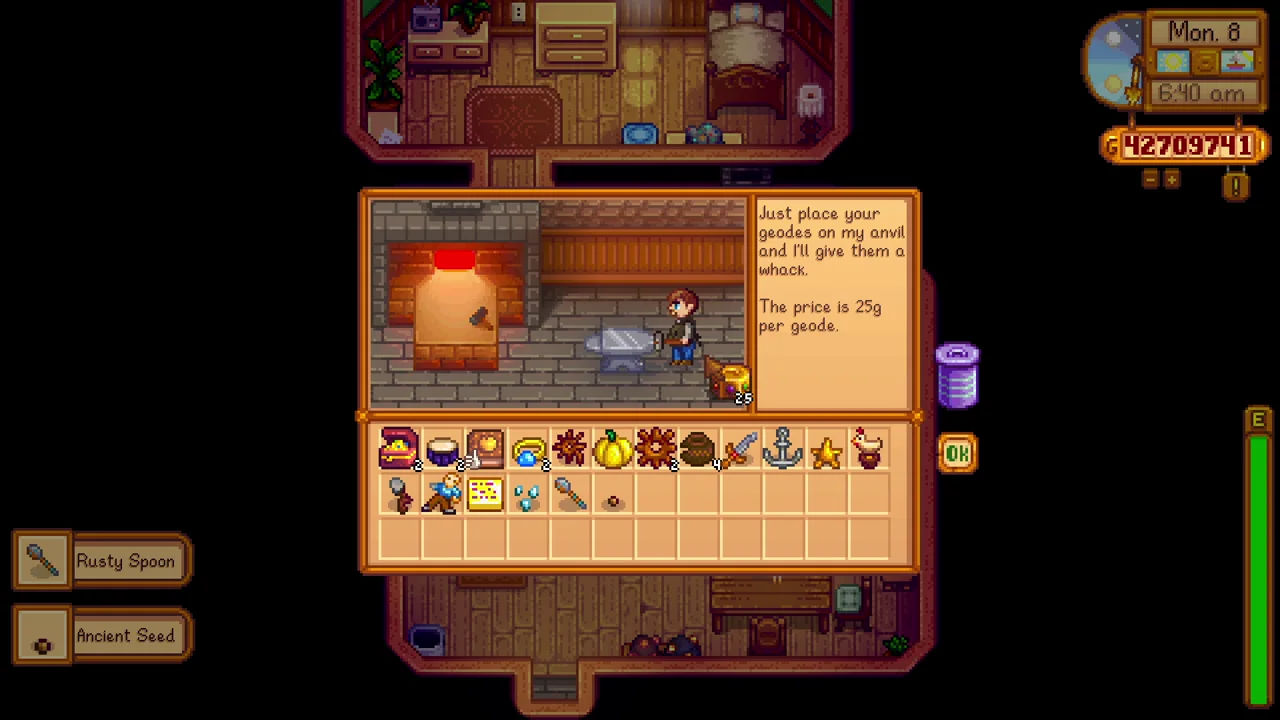
Read the Treasure Appraisal Guide to increase the sale value of artifacts, then give duplicate finds a second look before dismissing them as museum clutter. The Desert Trader exchanges five Omni Geodes for an Artifact Trove, which Clint can open for a fee.
Troves contain mostly artifacts, but they do not guarantee one: their possible contents also include items such as a Pearl, Golden Pumpkin, or Treasure Chest. Keep missing museum donations and useful artifacts before selling duplicates. This is a side business that uses surplus geodes, not a guaranteed improvement over opening every Omni Geode for your current collection goals.
Watch the full video

More Stardew Valley guides
Keep planning your farm with my beginner’s guide and money-making guide.
Mechanics references: Oasis, Artifact Trove.