
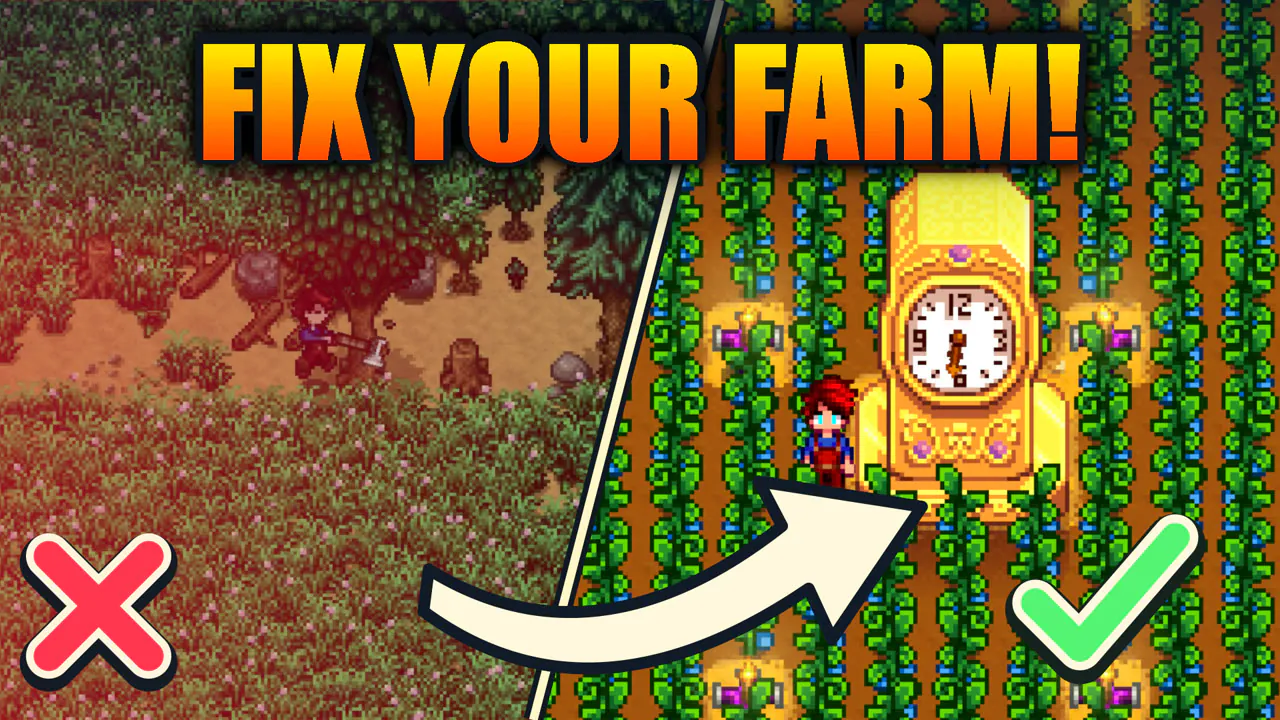
The Stardew Valley mistakes that slow your farm are often ordinary habits: planting more than you can water, selling a seasonal bundle item, or growing more fruit than your kegs can handle. Fixing those habits makes every later day easier. Here are 20 mistakes from my video, the reason each one costs you time, and what I would do instead. These suggestions favor steady progress; decorating and playing at your own pace are still perfectly valid goals.
Watch the companion video on YouTube, or jump to a tip below. The written advice reflects Stardew Valley 1.6; later sections include progression spoilers.
Table of ContentsOpen contents
1. Clearing too much on day one
The first mistake happens before your farm even looks like a farm. You wake up on day one, you see weeds, rocks, trees, logs, grass, and a tiny little energy bar that has clearly never been to the gym. And your first instinct is probably, “I must clean everything.” No. That is how the farm wins.
If you fully exhaust yourself, you can wake up the next day with reduced energy, which is horrible in the early game because energy is basically your entire economy. You do not have sprinklers. You do not have coffee. You do not have a horse. You barely have knees. On day one, plant your parsnips, chop enough wood for a chest, clear a small area, and then stop.
The goal is not to make your farm pretty on the first day. The goal is to make sure day two is not miserable. Stardew Valley rewards patience disguised as laziness.
2. Overplanting before automation
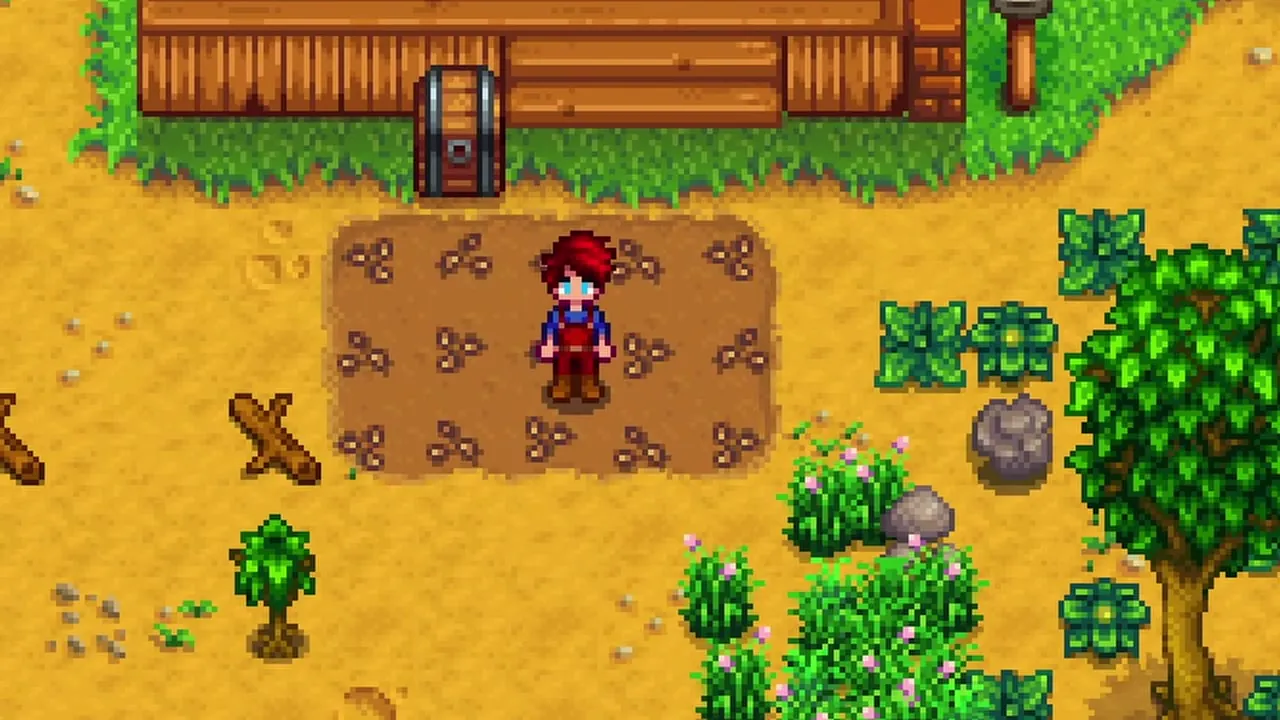
This is the classic beginner trap. You get a little money, you walk into Pierre’s, and suddenly you become a seed addict. You buy everything. You plant everything. You wake up the next morning and realize your entire life is now watering parsnips. Early crops are good, but early time is better. If you spend your whole morning watering, you are not mining.
You are not fishing. You are not foraging. You are not reaching the Community Center. You are not getting the resources that eventually free you from watering in the first place. Plant what you can comfortably maintain. Then use the rest of your time to reach the mines, gather ore, craft sprinklers, and build an actual engine.
The farm does not need to be huge immediately. It needs to become easier every week.
3. Missing seasonal deadlines
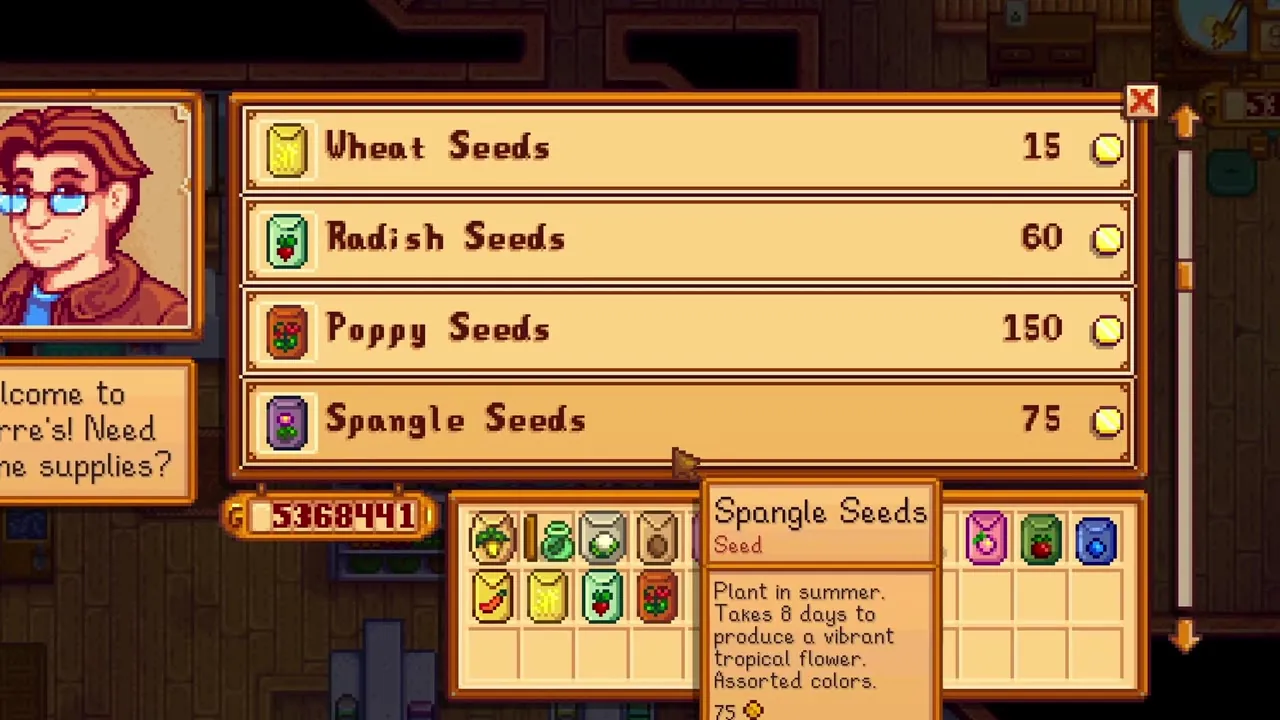
The calendar looks cute. It is not cute. It is a weapon. Every season has twenty eight days, and crops do not care about your feelings. If you plant something too late, it will die at the end of the season, and you will wake up to a field that looks like your farmer made several financial decisions while tired.
This gets even worse with the Community Center. Miss one seasonal crop, one fish, one forage item, or one animal product, and suddenly you are waiting an entire year because you forgot a green bean. So check crop growth times before buying seeds late in the season. Check birthdays. Check festivals. Check bundle items. If the game gives you a calendar, it is probably because time is trying to hurt you.
4. Selling Community Center items
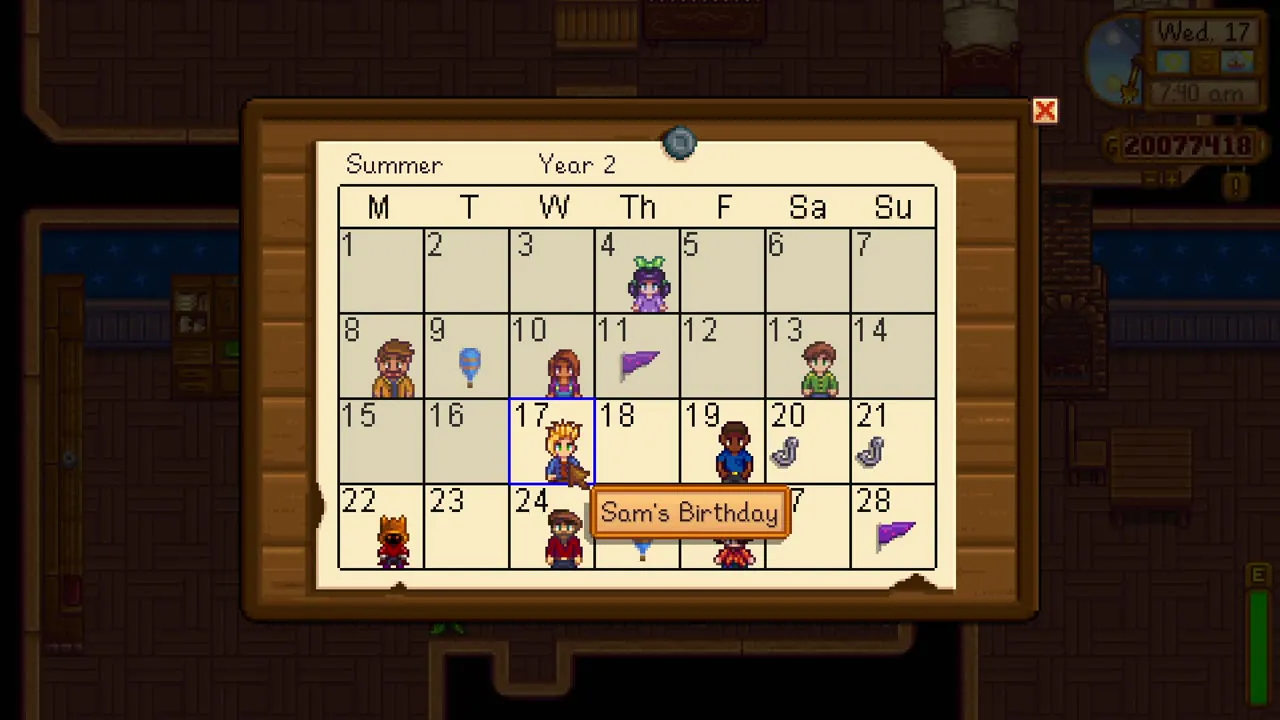
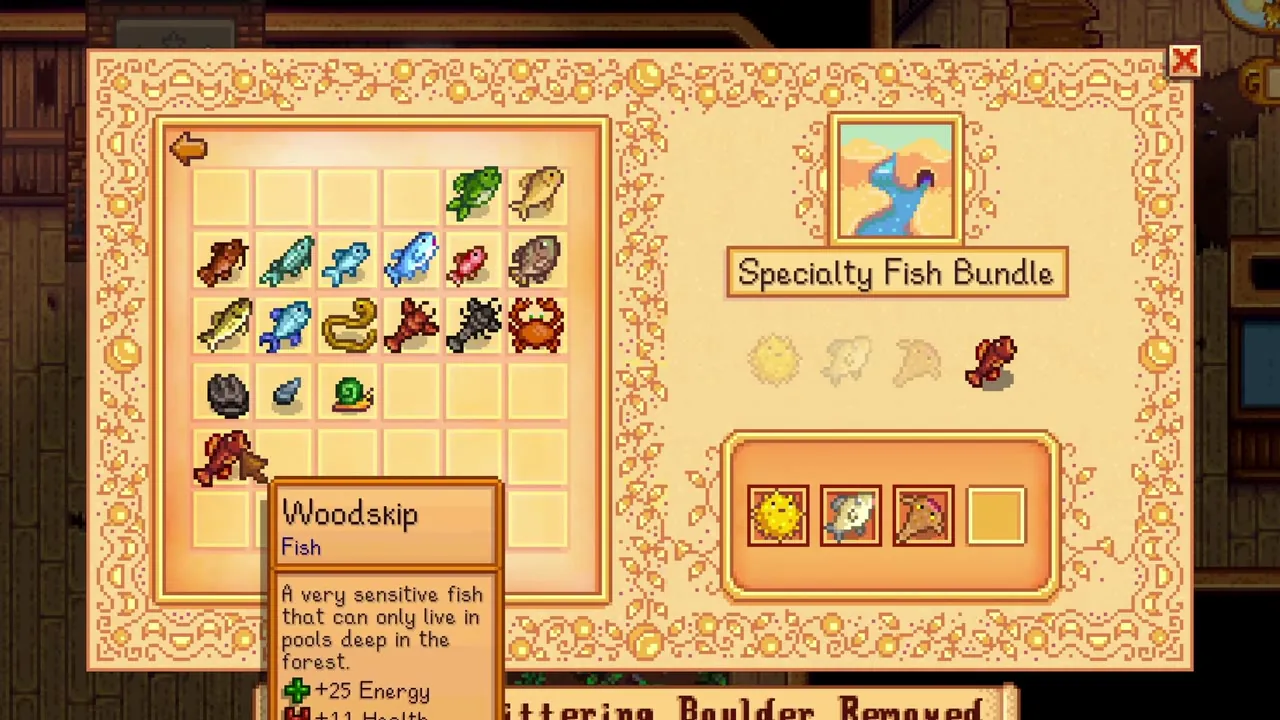
Early Stardew teaches you to sell things. That is good. Money is useful. But selling everything immediately is how you end up staring at a Community Center bundle and realizing you already sold the exact item you needed for 40 gold and a tiny feeling of regret. Before selling new crops, fish, forage, minerals, animal products, and weird little items you do not understand yet, check the bundle icon.
If the Community Center button pulses, keep it. Put it in a chest. Label the chest if you are a functioning adult. Do whatever you need to do, but do not sell your progress for pocket change. The Community Center is not just a side activity. It unlocks the greenhouse, the bus, minecarts, panning, friendship boosts, and eventually Ginger Island access.
Selling one item can delay an entire chain of progress. That is not a sale. That is a tiny tragedy.
For a more detailed walkthrough, see my Community Center guide.
5. Donating your first Prismatic Shard
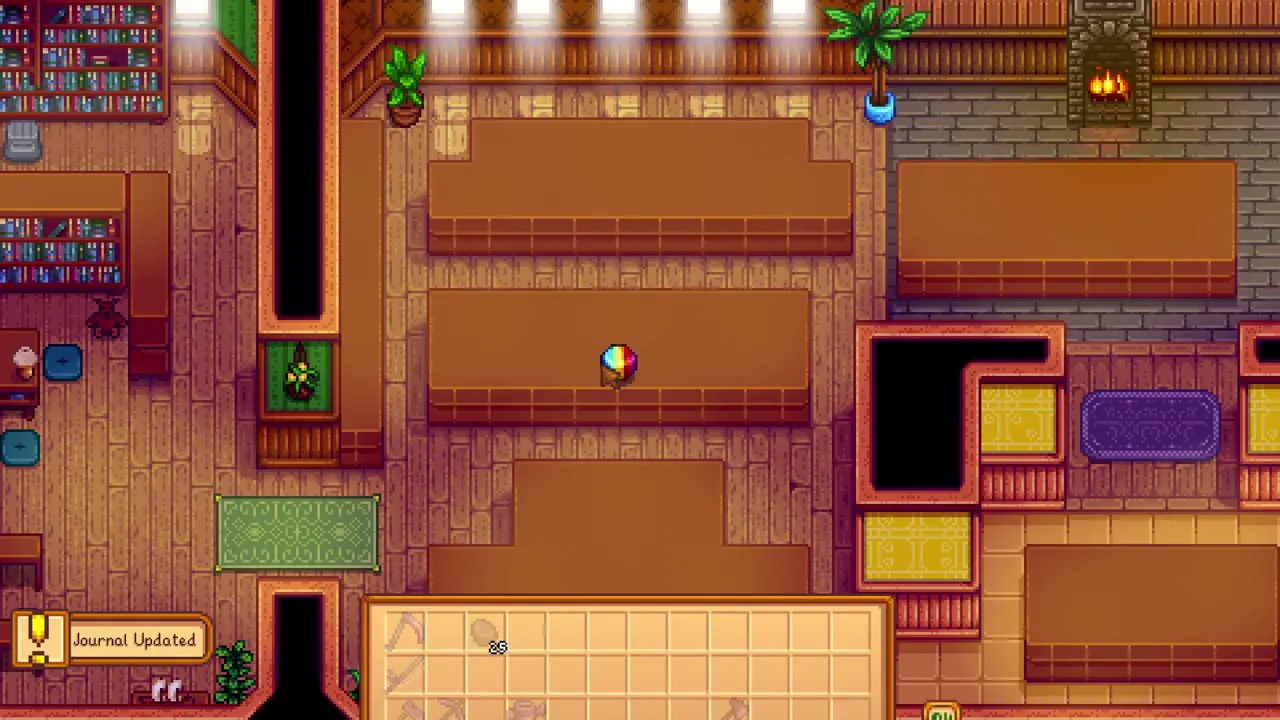
Gunther seems trustworthy. He stands there in the museum with his little counter and his empty shelves, silently judging your contribution to history. Ignore him. Your first prismatic shard should not go to the museum. Your first prismatic shard should become the Galaxy Sword. That weapon changes the rest of the game. It makes combat faster, safer, and less annoying.
It helps in the Skull Cavern, the mines, dangerous mines, monster farming, and basically every situation where something wants to chew on your ankles. You can donate a later prismatic shard when you are rich, armed, and emotionally stable. But donating the first one is one of those mistakes that does not look bad immediately.
Then you enter combat with a weaker weapon and realize your museum has a shiny rock while you have problems.
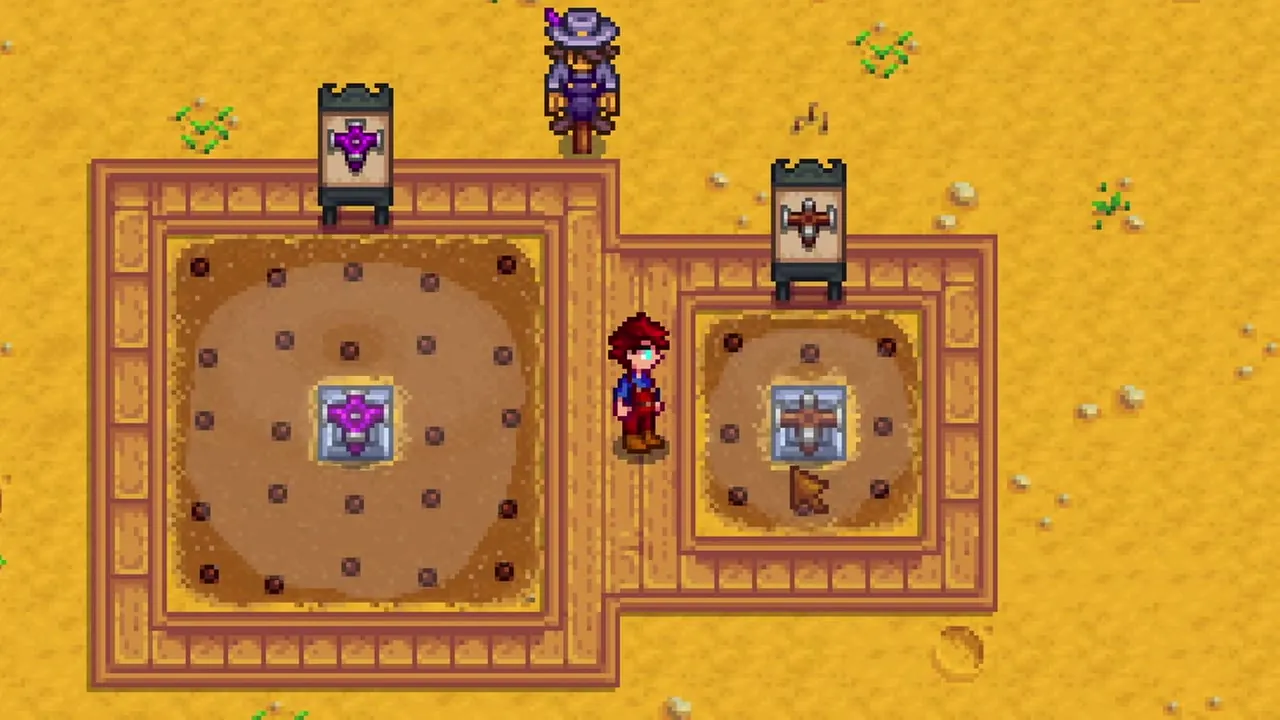
Once you can reach the desert, hold the shard between the three pillars to obtain the sword.
For a more detailed walkthrough, see my Prismatic Shard guide.
6. Donating your first Dinosaur Egg
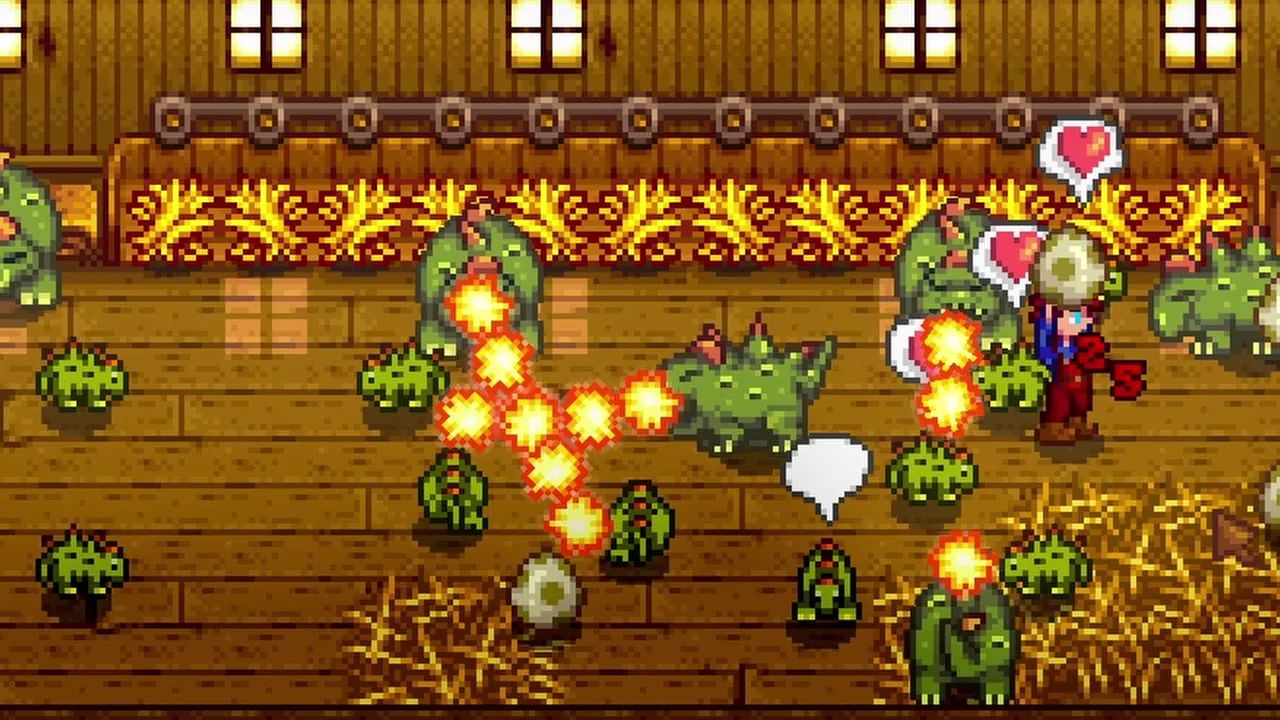
The dinosaur egg is the prismatic shard’s awkward little cousin. It looks like an artifact, so the museum feels like the obvious place for it. Do not do it. Put your first dinosaur egg into an incubator. Once it hatches, that dinosaur can produce more dinosaur eggs, which means you can donate one later and still keep the dinosaur line going forever.
This matters even more now because dinosaur eggs have become more interesting with the Treasure Appraisal Guide. Depending on your setup, raw dinosaur eggs can be surprisingly valuable, and turning them into mayonnaise is not always the genius move it used to feel like. The first egg is not a museum item. It is the beginning of a tiny reptile business.
Gunther can wait.
Use the incubator in a Big Coop or Deluxe Coop, and leave space for the new dinosaur.
7. Buying animals without a feeding plan
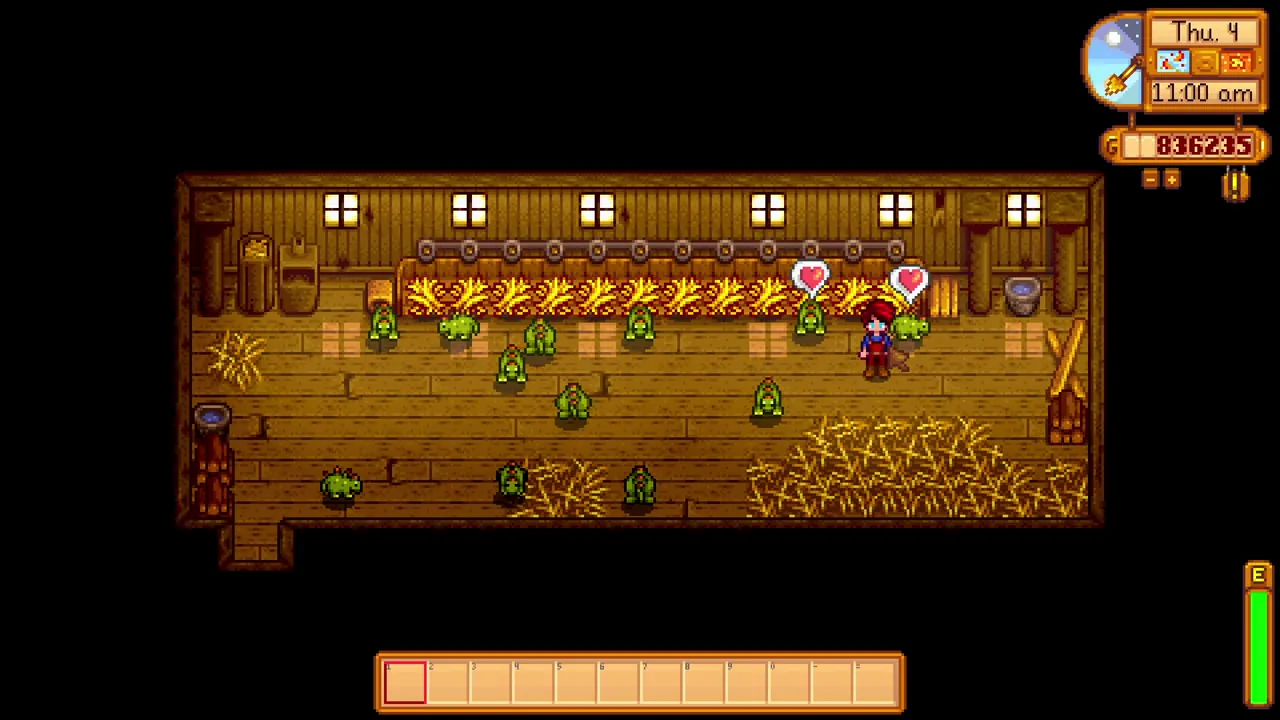
Animals look adorable. Animals also eat. That second part is where the problem starts. New players love building a coop or a barn, buying animals, naming them something cute, and then realizing they have no hay, no silo, no grass plan, and Marnie is closed because Marnie treats Business hours are like a personal experiment.
Build a silo early. Let grass spread. Cut grass with your scythe to store hay. Keep animals fed. Upgrade buildings when you can so feeding becomes easier. Animals can be great, especially when you need them for the Community Center or later money setups, but they are not free money machines at the start If you rush animals without infrastructure, you create a chore factory.
And the whole point of progressing in Stardew Valley is reducing chores, not collecting new ones like cursed furniture.
8. Outgrowing basic sprinklers without upgrading
Regular sprinklers feel like progress. And technically they are. They water four tiles, which is better than watering zero tiles. But they are awkward, inefficient, and very quickly outclassed. If you craft a few in your first spring because you need help, fine. But if you build your whole farm around regular sprinklers, you are building a tiny inefficient maze that you will probably tear down later.
Quality sprinklers are the real early goal. Iridium sprinklers are the dream. Krobus even sells one every Friday once you unlock him, and that can be huge before you have reliable iridium. The mistake is not using sprinklers. The mistake is settling for bad sprinklers for too long. Every tile your sprinkler fails to cover is a tile your farmer has to personally babysit.
And your farmer has better things to do than provide emotional support to wet dirt.
For a more detailed walkthrough, see my farming guide.
9. Misunderstanding daily luck
Check daily luck before activities where it matters, especially a prepared Skull Cavern run. It can help with finding ladders and treasure opportunities, but it is not a universal rare-drop multiplier.
Geode contents are not affected by daily luck. Open geodes whenever it suits your schedule, including bad luck days. Those days are also useful for organizing storage, moving buildings, processing goods, and planning your next trip. The mistake is misunderstanding the system, not choosing to mine on an imperfect day.
10. Ignoring movement and travel upgrades
This mistake is quiet because every individual trip feels small. Walking to the greenhouse. Walking to the barn. Walking to the desert. Walking to Robin. Walking back home because you forgot one thing. It is just a few seconds. Then you do it one thousand times. Suddenly your farm is not inefficient because of one giant problem.
It is inefficient because of hundreds of tiny walks. Get coffee. Turn it into triple shot espresso. Build a stable earlier than you think. Use mini obelisks on your farm. Move your greenhouse closer. Use minecarts. Use warp totems. Buy the horse flute when you can. Movement speed is one of the most underrated money makers in the game because it affects everything.
Farming, mining, fishing, shopping, gifting, animals, Ginger Island, Skull Cavern, all of it. Being slow is not peaceful. Being slow is expensive.
11. Underusing the greenhouse
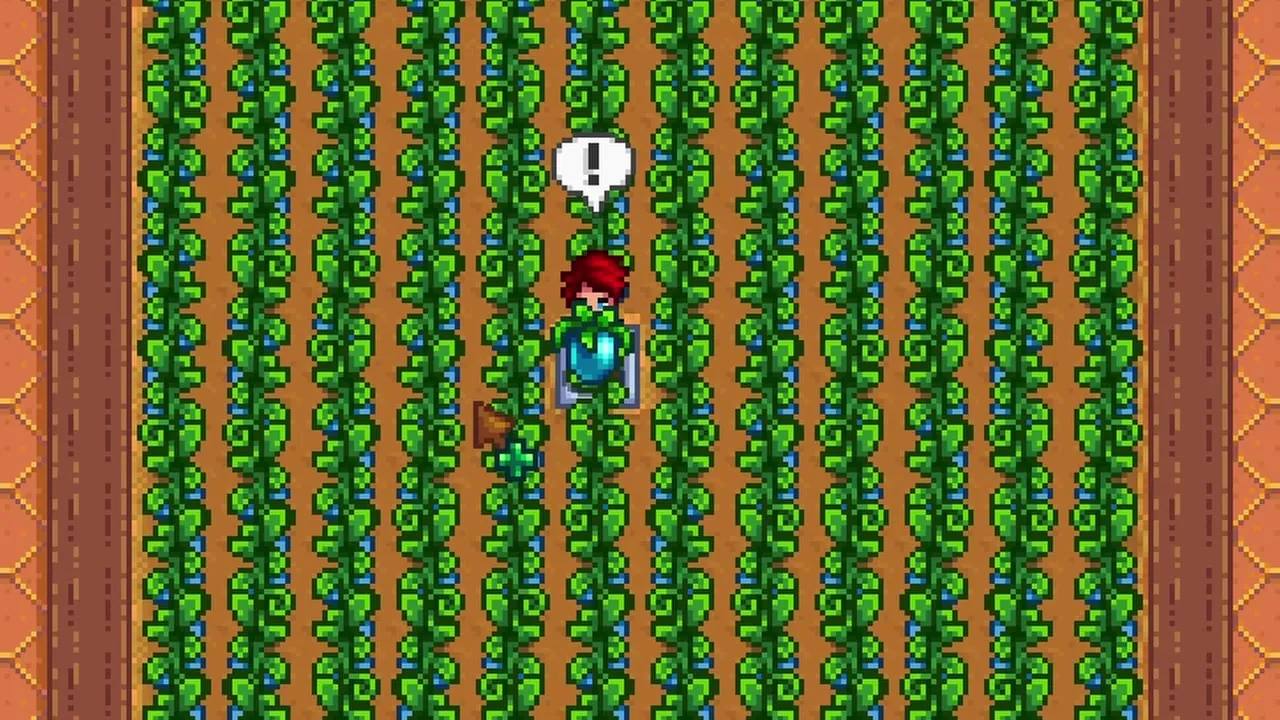
The greenhouse is one of the biggest unlocks in the entire game. And some players use it like a slightly warmer patch of dirt. That hurts me. The greenhouse should be special. It ignores seasons. It protects crops forever. It can hold fruit trees around the edges. It is perfect for ancient fruit, starfruit, coffee, strawberries, rare seeds, or whatever your current money plan needs.
Do not fill it with random seasonal crops just because you had leftover seeds. Do not leave empty spaces. Do not forget fruit trees. Do not put it so far away that visiting it becomes annoying. Move it at Robin’s if you need to. The greenhouse should be a money engine, not a storage closet with soil.
If you waste the greenhouse, you are not just wasting space. You are wasting the one place on your farm where winter has no authority.
12. Waiting too long to tap oak trees
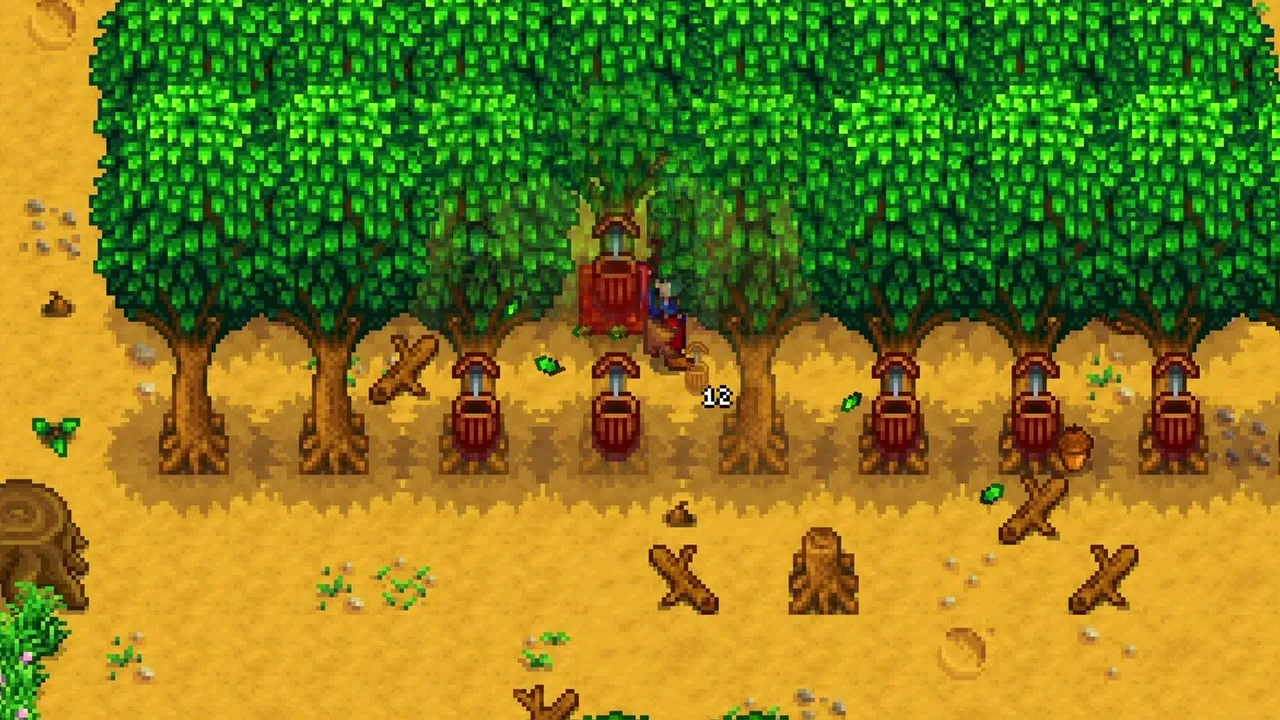
Everyone loves kegs. Everyone wants wine. Everyone wants to turn fruit into money and money into emotional security. But then they unlock kegs and realize they have no oak resin. That is the bottleneck. Wood can be farmed. Copper and iron can be mined. But oak resin takes time. So start tapping oak trees early.
Plant oak trees on your farm, at the train station, in the desert, or anywhere safe where you can create a little resin supply chain. If your plan is ancient fruit wine, starfruit wine, pale ale, or any kind of serious artisan setup, you need kegs. And if you need kegs, you need oak resin before the moment you are desperate for it.
The mistake is not wanting wine. The mistake is wanting wine while your entire oak resin empire consists of one sad tapper and a dream.
13. Growing more than your machines can process
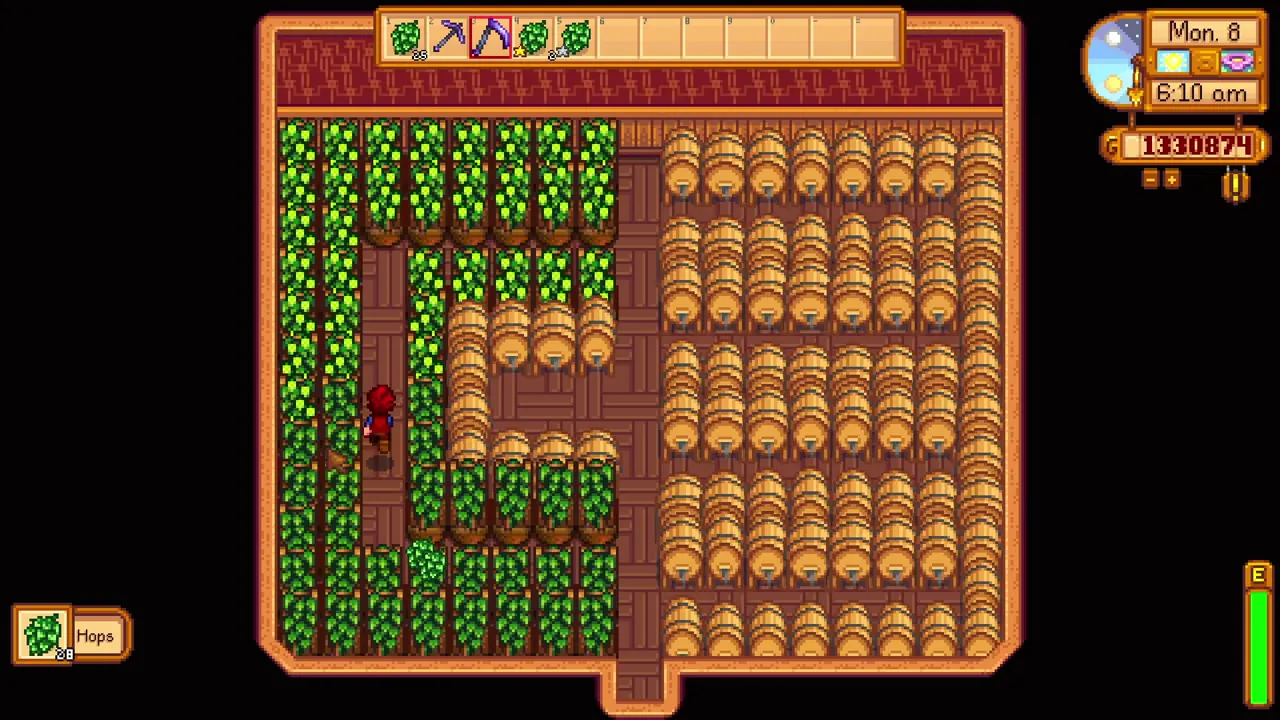
This is where Stardew Valley quietly gets mean. Growing 500 starfruit sounds incredible. Until you own 12 kegs. Then you do not have a wine empire. You have a fruit storage problem. Processing is powerful, but only if your machine count matches your crop plan. If your kegs are too slow, use Preserves Jars for lower value crops.
If you have mushrooms, consider jars before automatically dehydrating everything. If you are growing hops, understand that harvesting and processing them every day can become a personal endurance test. The mistake is thinking production ends at harvest. It does not. Harvesting creates the next job. If your farm produces faster than you can process, your chests become full of imaginary profit And imaginary profit is just clutter with confidence.
14. Ignoring Jade Crystalariums
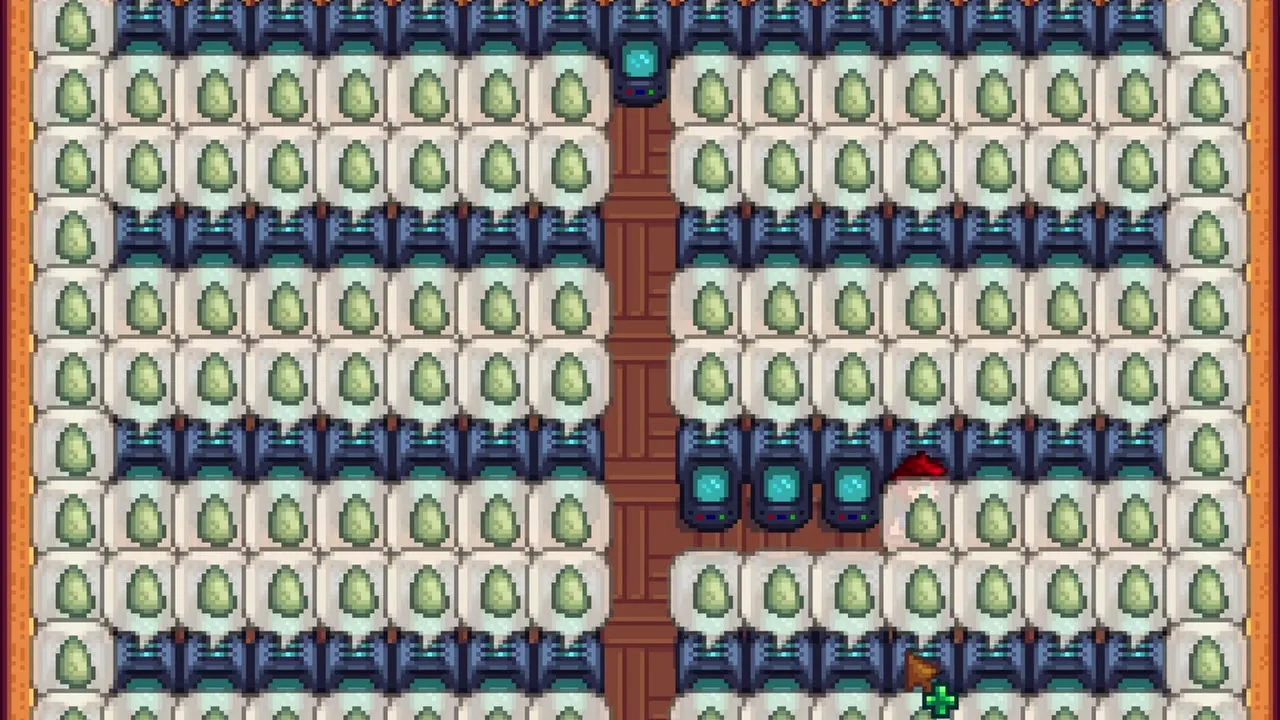
Diamonds are shiny. Diamonds sell for money. Diamonds make your brain happy. But jades can quietly become one of the most powerful resources in the game. Put jades in crystalariums. Save them. Trade them for staircases at the Desert Trader on Sundays. Now suddenly Skull Cavern is not a terrifying hole full of serpents and regret.
It is a staircase delivery system for iridium, treasure rooms, prismatic shards, and late-game resources. Crafting staircases with stone is painful. Trading jades for staircases feels like you found a legal loophole and the desert merchant is somehow fine with it. If you ignore jades, you make Skull Cavern harder than it needs to be.
And Stardew Valley is already very willing to waste your time. Do not volunteer.
15. Entering Skull Cavern unprepared
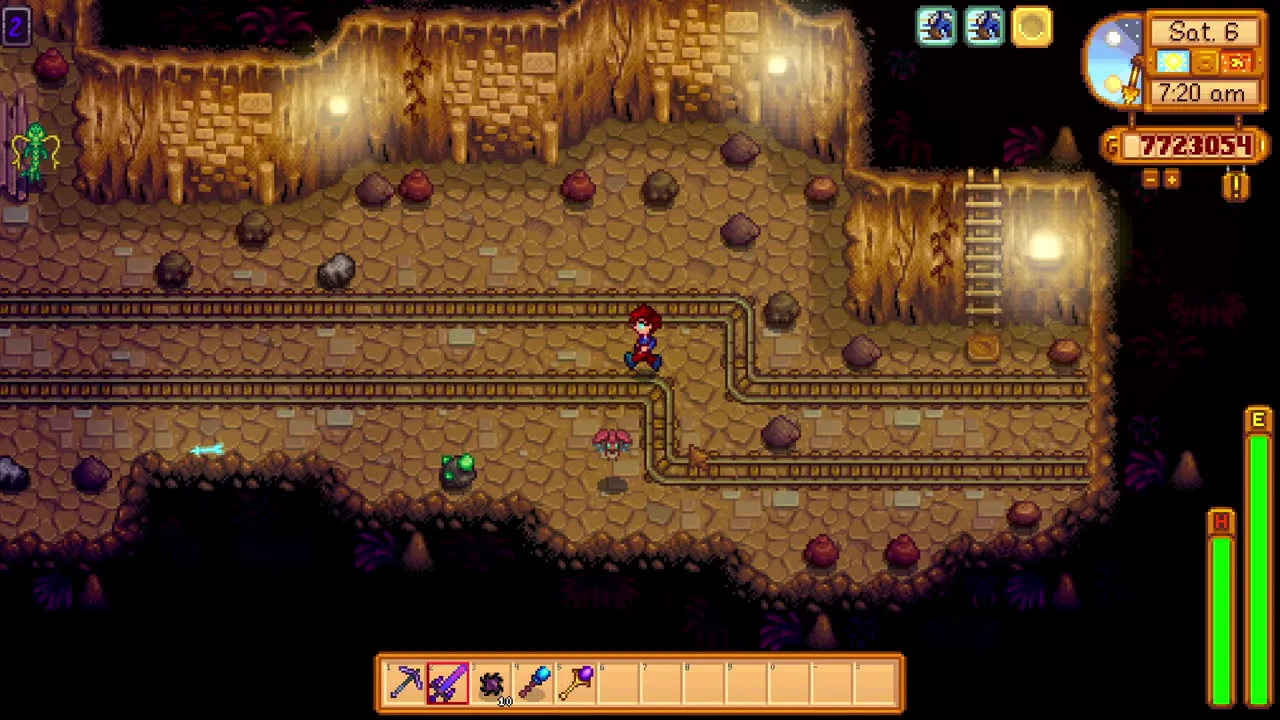
Skull Cavern punishes vibes. If you walk in with a pickaxe, a dream, and three salmonberries, you are not going mining. You are donating your body to the serpents. A real Skull Cavern run starts before you enter. Wait for a good luck day. Use a desert warp totem or obelisk so you are not waiting for Pam at 10 AM.
Bring bombs or explosive ammo. Bring staircases. Bring speed food. Bring luck food. Bring healing food that will not overwrite your buffs. Bring a strong weapon. And do not leave early just because the clock is scary. Passing out at 2 AM usually costs gold, not your entire inventory. That extra time can be worth more than the fine.
The mistake is treating Skull Cavern like the regular mines. It is not the regular mines. It is a timed resource extraction crime scene, and you should behave accordingly.
Losing all your health is different: combat defeat can cost items. Keep healing even if you deliberately stay until 2am.
For a more detailed walkthrough, see my Iridium Ore farming guide.
16. Spending your growth budget on decoration
Decorating is fun. I love decorating. But decorating in your first year while your farm is broke is how you end up with a cute house and no economic pulse. Early money should usually go toward seeds, backpack upgrades, tool upgrades, buildings you actually need, sprinklers, animals for bundles, and infrastructure that makes the farm stronger.
The furniture catalogue is amazing later. Wallpaper is fun later. Pretty paths are fine later. Buying a sofa while you still water half your farm by hand is a little bit unwell. You can make your farm beautiful. Just do not make it beautiful instead of functional. Build the engine first. Make it pretty after the engine prints money.
Otherwise your farm becomes a museum exhibit titled “Financial Panic With Rugs.”
17. Leaving friendship until the endgame
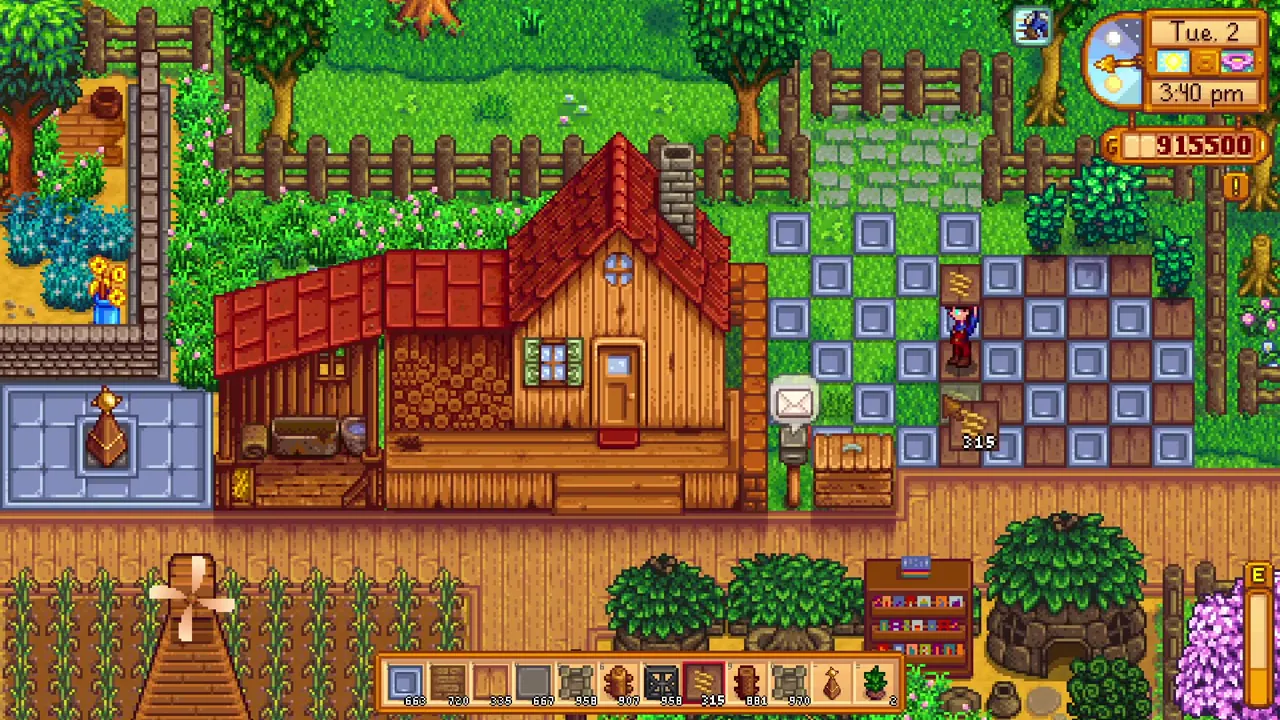
Friendship feels optional until suddenly it is not. Recipes, gifts, cutscenes, quests, perfection, and several extremely useful rewards are locked behind villagers liking you enough to tolerate your weird farm schedule. The mistake is trying to brute force friendship late. That is exhausting. Use birthdays. Birthdays are ridiculous. A loved gift on a birthday gives a massive friendship boost, especially if it is high quality.
Keep a chest of good gifts. Buy a calendar from Robin and put it near your bed. Use rabbits feet later because almost everyone loves them. Talk to people when you are already nearby. Do not make friendship your entire life. Just stop ignoring it so hard that later you need to speedrun human connection like it is a Qi quest.
Penny hates Rabbit’s Feet, so keep a different gift for her.
18. Keeping rare fish with cooking ingredients
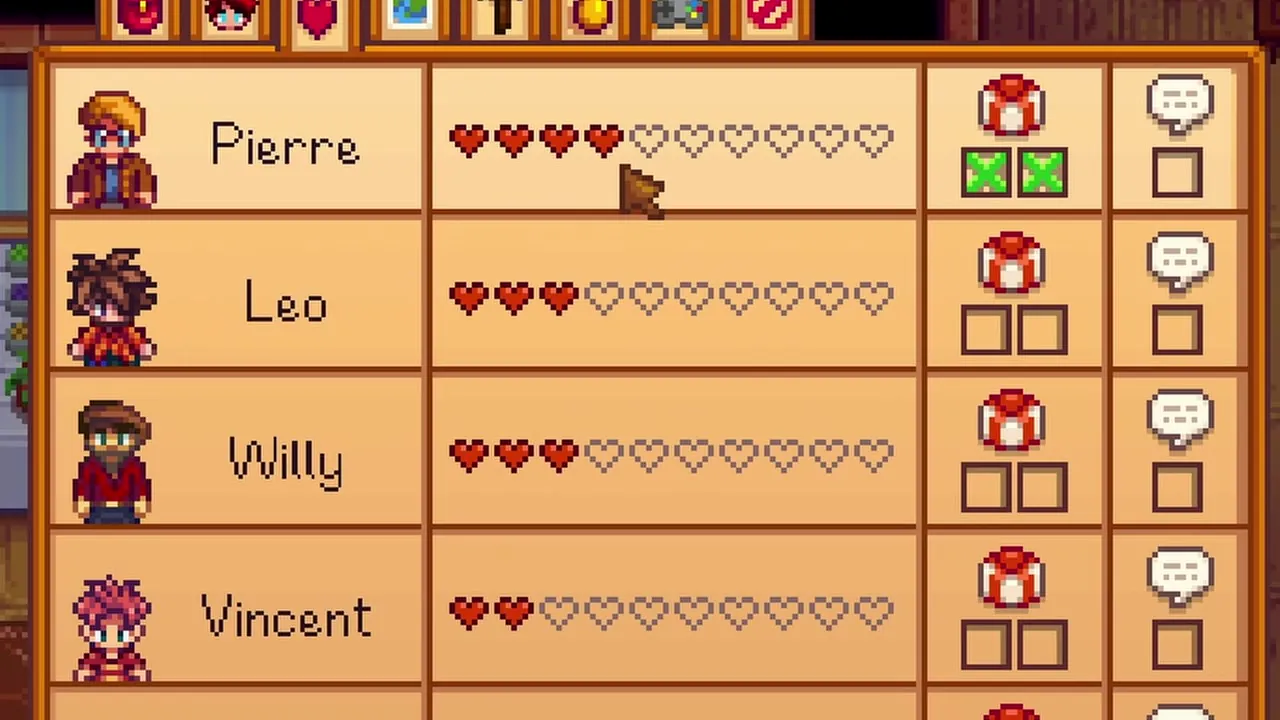
Convenience is dangerous. The fridge is convenient. That is why it can betray you. If you put legendary fish in the fridge, the game can use them for cooking. Imagine catching a legendary fish, storing it safely, and then later discovering your farmer turned it into dinner because apparently destiny wanted sashimi. The same logic applies to rare items, one-time rewards, special furniture, tools you do not want to misplace, and anything you would be furious to lose.
Create a safe chest. Put irreplaceable items there. Do not mix them with cooking ingredients. Do not mix them with selling items. Do not keep them in a random chest named “stuff” next to 400 pieces of sap. The farm does not need more chaos. It needs one sacred box where nothing becomes soup.
19. Using equipment without checking its effects
Choose rings, weapons, and food for the task rather than assuming every powerful item stacks or works everywhere. A meal with different buffs can replace your current food buffs; Monster Musk adds enemies when you may be trying to travel safely.
One correction to older advice: from version 1.6.4 onward, the Napalm Ring is non-destructive on the farm and inside the Slime Hutch. Do not treat the old farm-damage warning as current behavior. Regular bombs still deserve careful handling around your crops and machines.
Review what your equipment actually does, then choose a combination that supports the run.
20. Building a farm with an awkward daily route
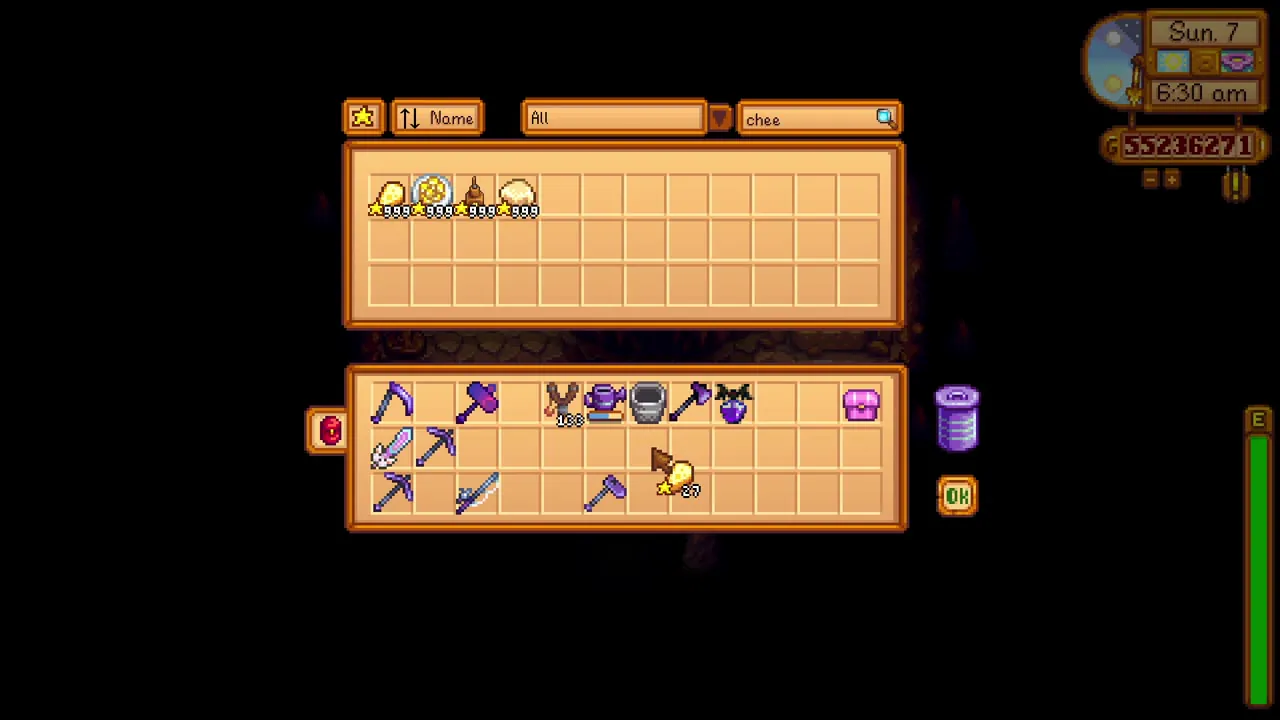
This is the mistake that ruins farms slowly. Not dramatically. Not instantly. Just quietly, every single morning. You place your barns far away because it looks cute. You put machines wherever there is space. You leave chests in random corners. You put the greenhouse somewhere annoying. You build paths that look nice but make every route longer.
You design a farm for a screenshot instead of a life. Then every day takes a little longer than it should. Five seconds to the barn. Ten seconds to the machines. Twenty seconds because you forgot where you stored coal. Another minute because your warp point is nowhere near the thing you actually use. That is how a farm quietly ruins itself.
Not with one huge mistake. With repetition. So design around what you do every day. Where do you wake up? Where do you go first? Where are your animals? Where are your machines? Where do you dump items? Where do you warp? Where do you keep mining supplies? Where do you keep gifts? Where do you lose time every morning?
A good farm does not just look nice. It makes the boring actions faster. And if you save a few seconds on something you do every single day for years, that is not a small improvement. That is the whole game bending around you.
For a more detailed walkthrough, see my farm layout guide.
Watch the full video

More Stardew Valley guides
- Ultimate Stardew Valley Beginners Guide : Master the Game from Day One
- 20 Stardew Valley Mistakes That Make You Poor
Mechanics references: Napalm Ring, Luck, Community Center.