

These 50 Stardew Valley time-saving tips tackle the small tasks you repeat every day: walking, watering, finding items, and preparing for the mines. Start with a manageable crop field, useful chest locations, and faster travel, then build toward automation. The tips follow my companion video, with corrections for Stardew Valley 1.6 where older tricks have changed. The amount of time you save depends on your playstyle; you do not need to optimize every minute to enjoy your farm.
Watch the companion video on YouTube, or jump to a tip below. The written advice reflects Stardew Valley 1.6; later sections include progression spoilers.
Stardew Valley time-saving tips: contentsOpen contents
1. Protect your energy on day one
The first huge time save is not doing something heroic on your very first day. If you burn through all of your energy and fully exhaust yourself, you can wake up the next day with reduced energy, which is the exact opposite of what you want at the start of a new farm. Plant your parsnips.
Chop enough wood for a chest. Clear a little space. Then stop. You are not weak. You are efficient.
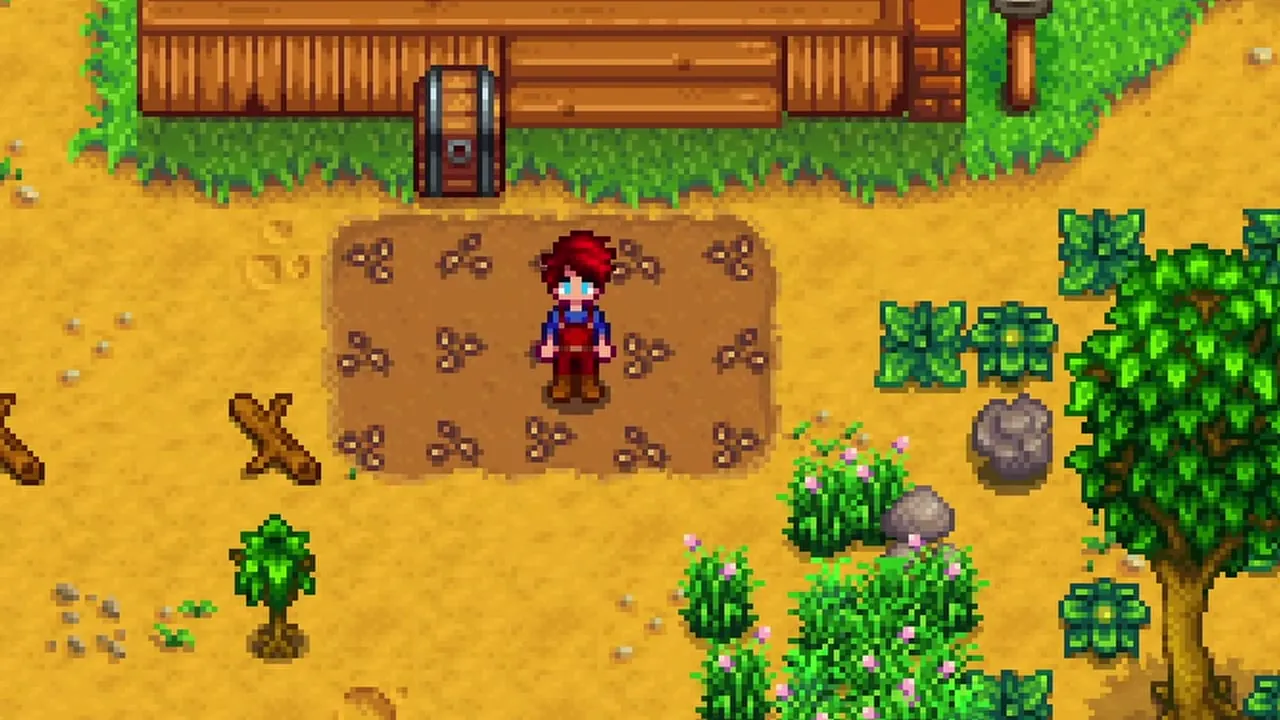
2. Put chests where you work
Place chests near the jobs that fill your inventory: your fishing spot, the mine entrance, animal buildings, and processing machines. Give each chest a clear purpose so unloading takes seconds.
Check NPC walking routes before placing storage outside your farm. Use a known safe tile rather than assuming furniture will protect a chest. The point is to save return trips without risking the supplies inside.
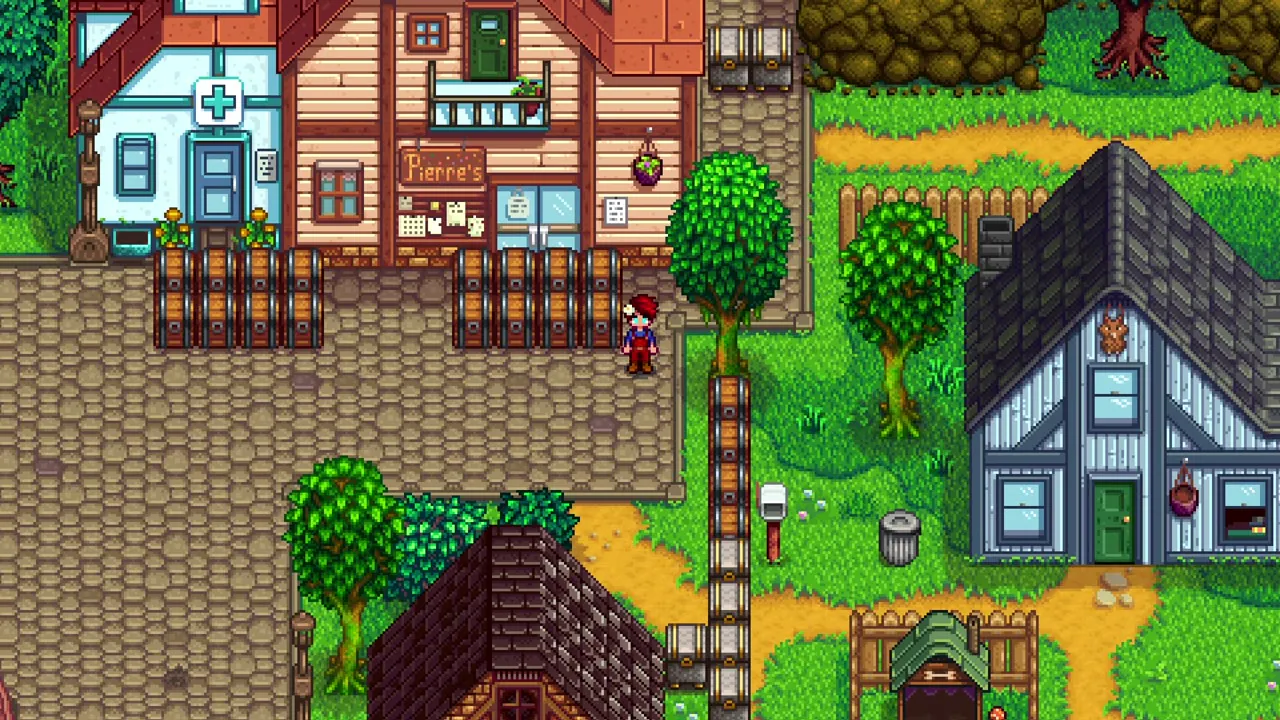
3. Move the greenhouse closer
Once the greenhouse is repaired, use Robin’s building-move interface to put it on a convenient route. Keep its entrance easy to reach from your house, sheds, and storage. A building placement you accepted in spring does not have to dictate the rest of the save.
The same idea applies to other movable farm buildings: reduce the trips you make every morning, rather than moving something just because a layout looks impressive.
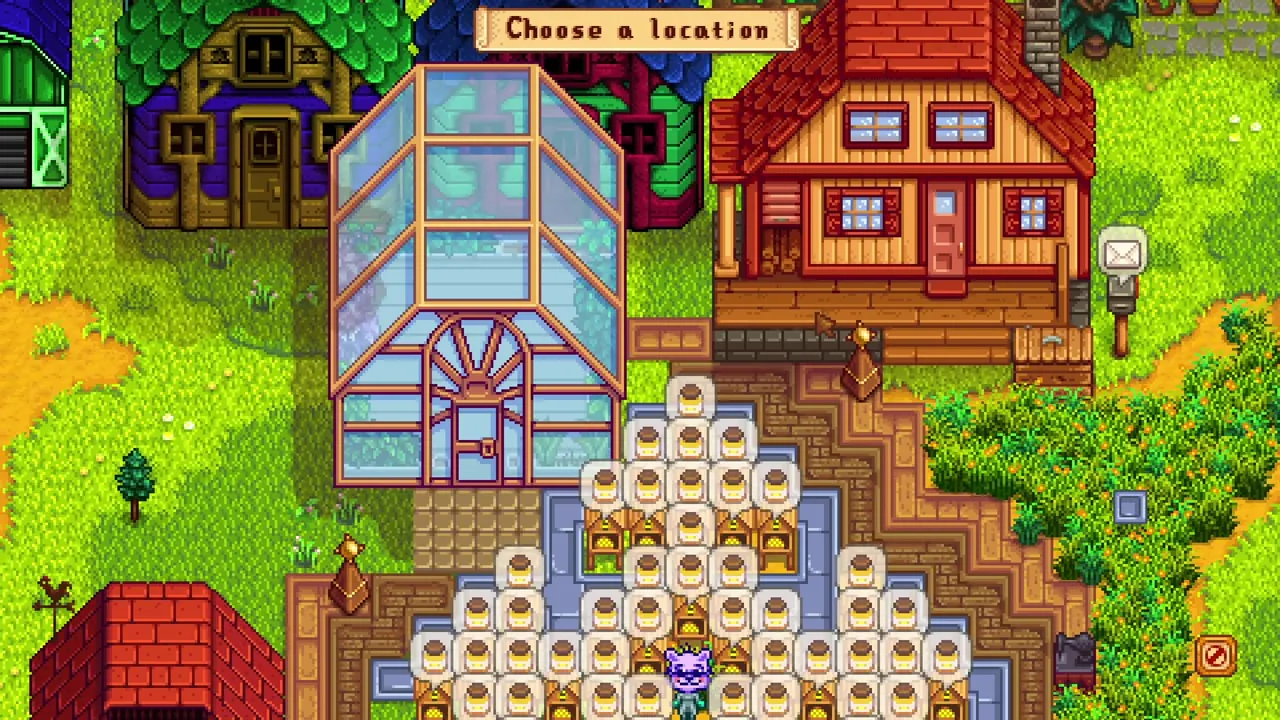
4. Connect your farm with Mini-Obelisks
Mini obelisks are one of the most underrated time savers in the entire game. Place one near your farmhouse and one near the most annoying part of your farm. Your greenhouse, your animal area, your sheds, your tree farm, whatever place makes you sigh every morning. You only get two, so use them where they remove the most walking.
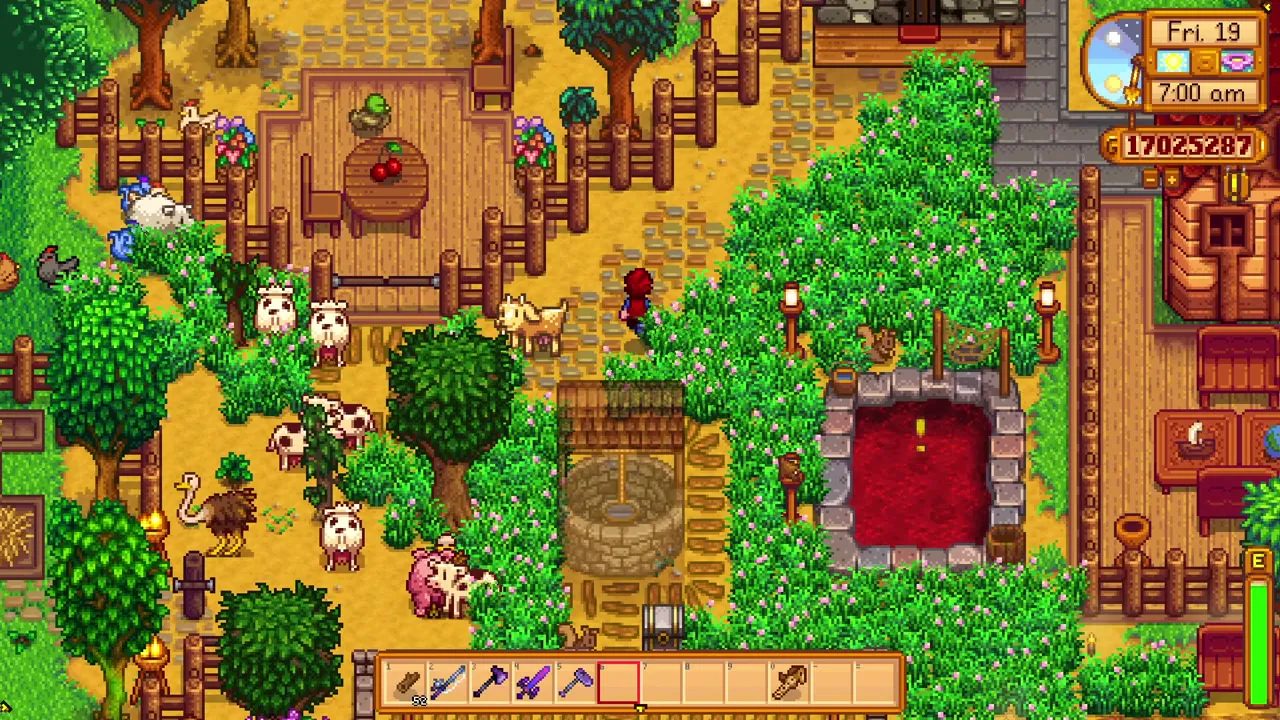
5. Keep coffee ready
Your farmer runs like they are thinking about running. Coffee fixes that. Grow your own coffee beans, make coffee, turn it into triple shot espresso, and keep it on you at all times. Movement speed does not look dramatic on paper, but it affects everything. Farming, mining, fishing, foraging, shopping, friendship, skull cavern runs, ginger island, all of it.
Time is money, and coffee is time.
6. Invest in a horse
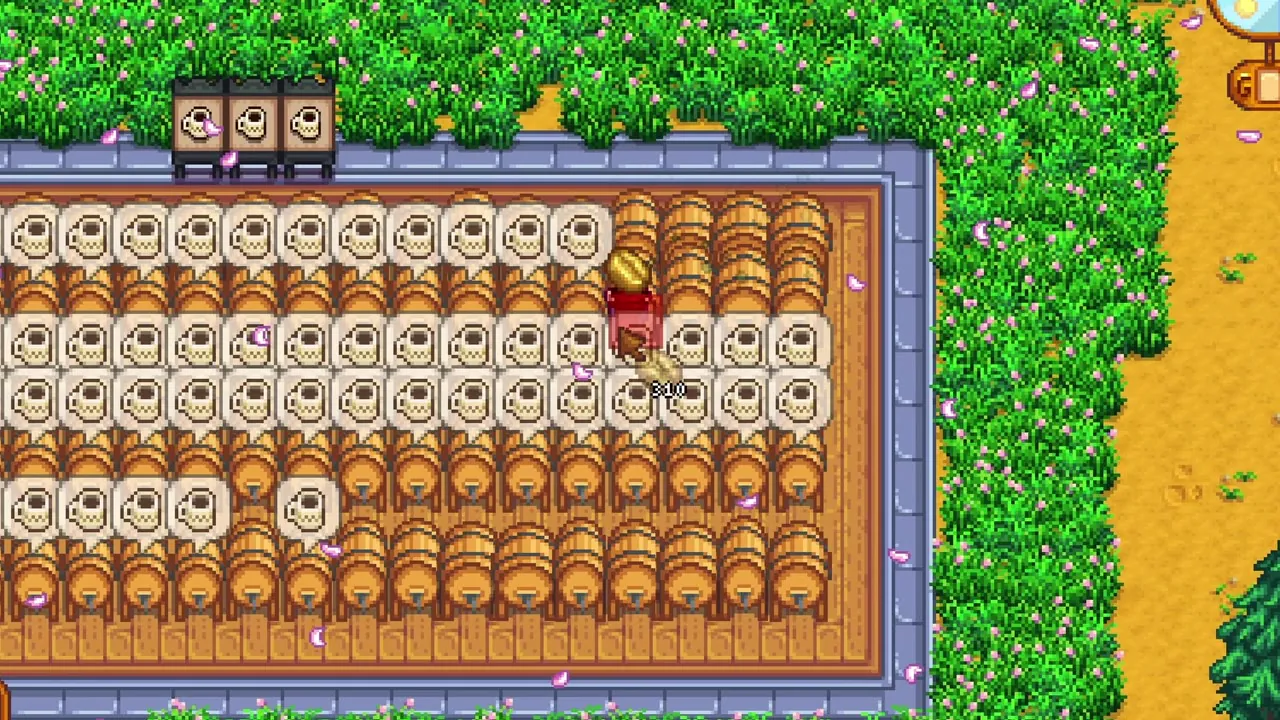
The stable feels expensive early on, but the horse pays for itself in saved time. You will use it every single day. Then later, once you can buy the horse flute from Mr Qi, your horse becomes even better, because you can summon it in the desert and on Ginger Island. Do not be slow.
Being slow is expensive.
7. Check the TV before planning
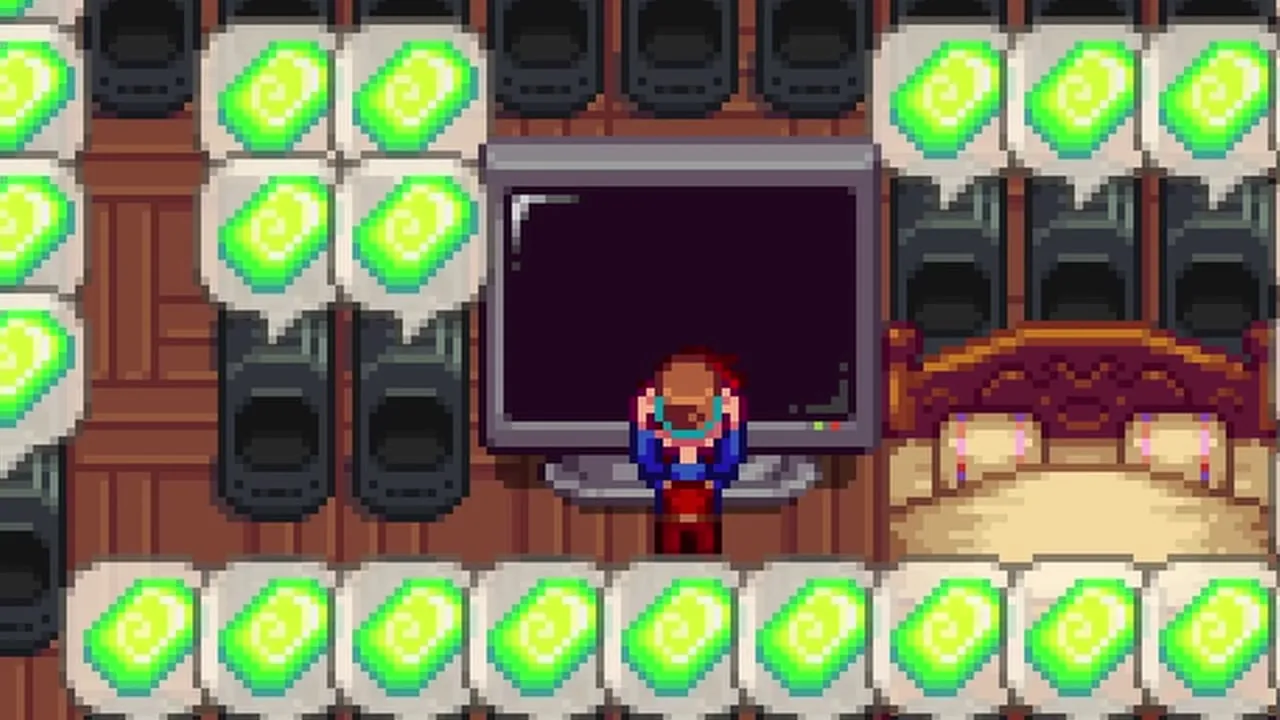
You do not need to become a weather channel enthusiast. But you should check luck before mining days, weather before rainy-day planning, and Queen of Sauce for recipes. The real time save is knowing when not to waste a good luck day. If the spirits are very happy, do not spend that day reorganizing chests.
Go to the mines, the skull cavern, or anywhere luck actually matters.
8. Use bad luck days for chores
Bad luck days are not useless. They are perfect for chopping trees, fixing paths, moving buildings, organizing chests, processing goods, decorating, and doing anything that does not rely on luck. Good players ask, “What do I want to do today?” Efficient players ask, “What kind of day did the game give me?”
9. Avoid overplanting before sprinklers
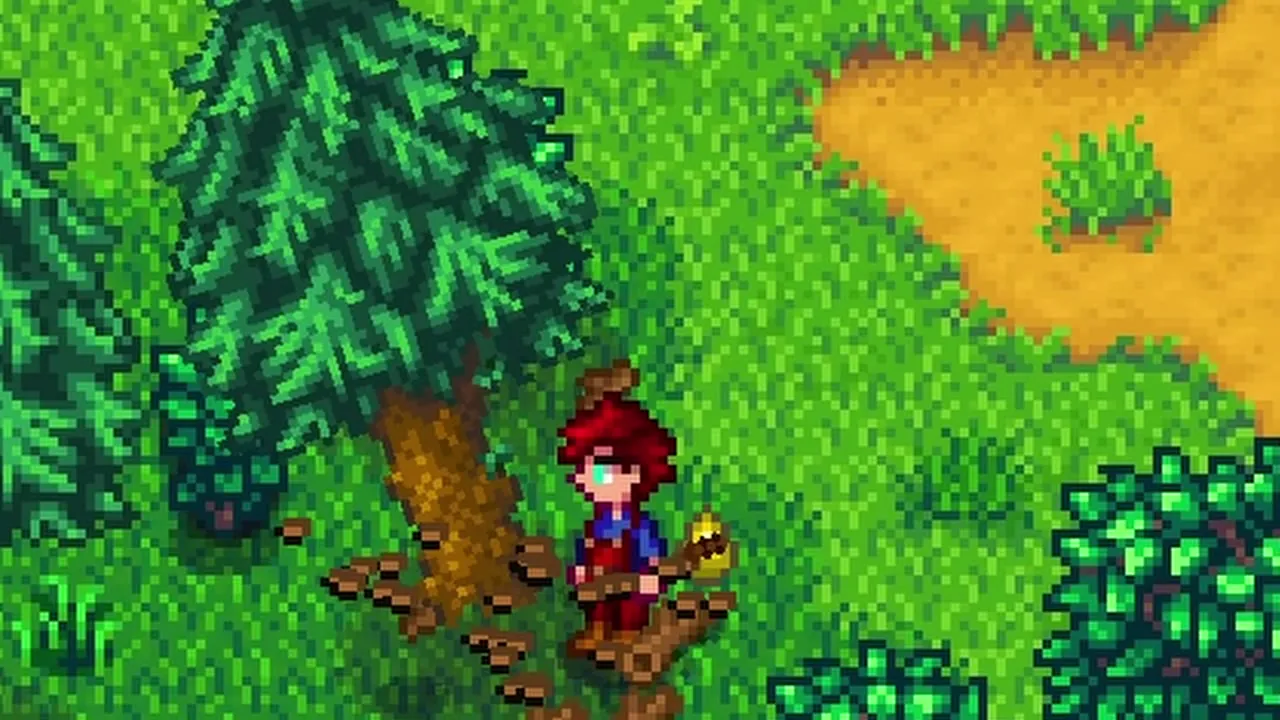
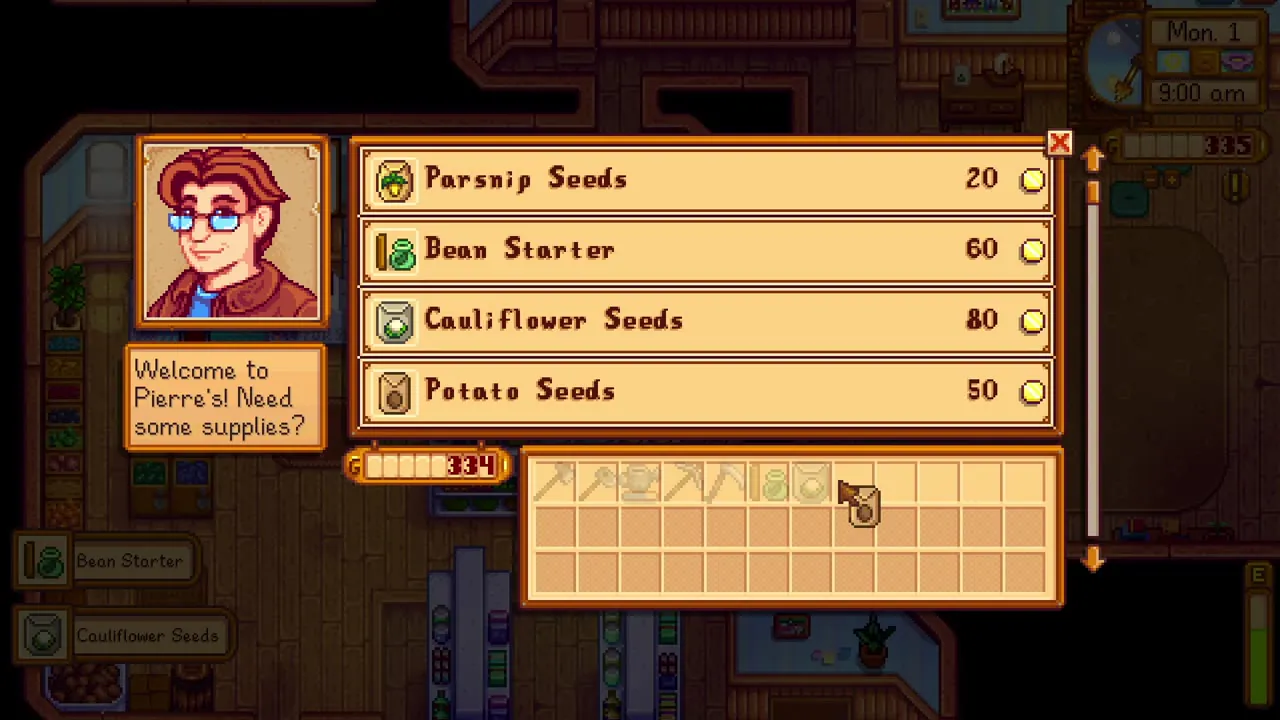
Early game greed is brutal. You buy too many seeds, plant everything, and suddenly your entire morning is watering parsnips while your energy disappears. Plant what you can comfortably maintain. The goal is not to own the largest sad dirt rectangle in Pelican Town. The goal is to make money while still having time to mine, fish, forage, and progress.
For a more detailed walkthrough, see my farming guide.
10. Upgrade your backpack
The backpack upgrade is not exciting, but it changes everything. Fewer trips home. Longer mine runs. Better fishing days. Less garbage thrown on the floor because you found something better. If you are delaying this upgrade, you are choosing inconvenience.
11. Save your first Prismatic Shard
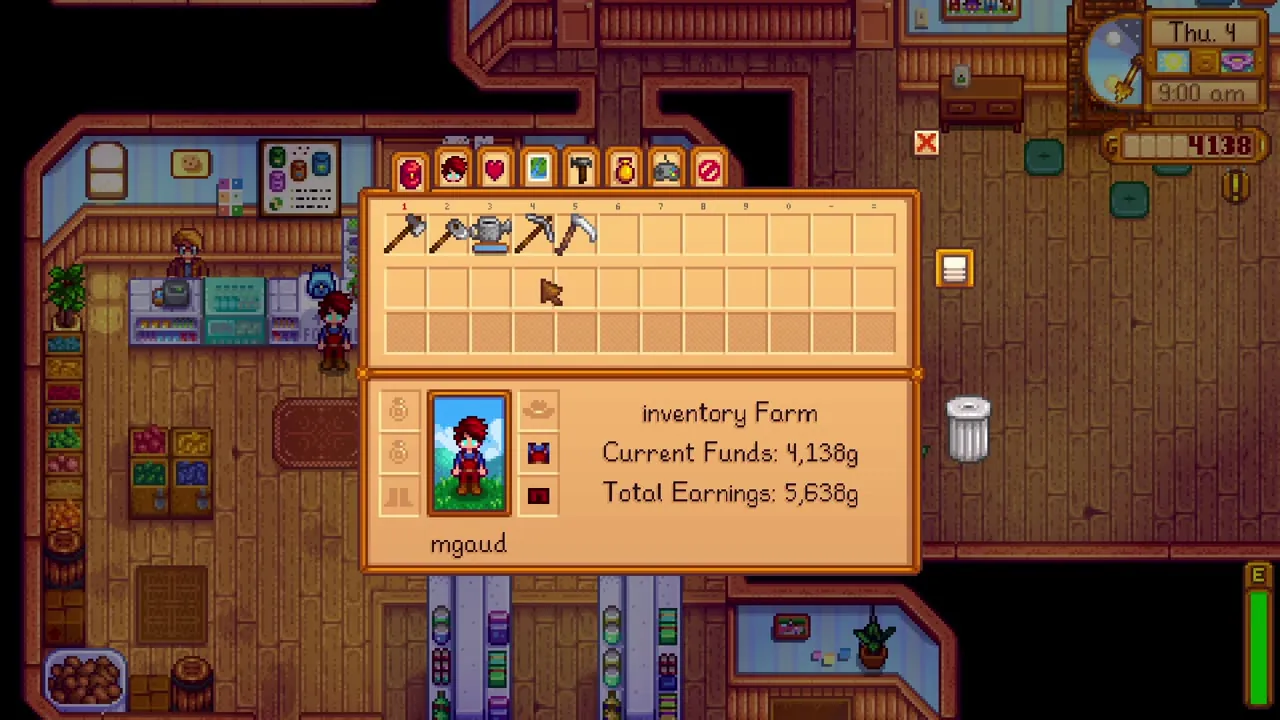
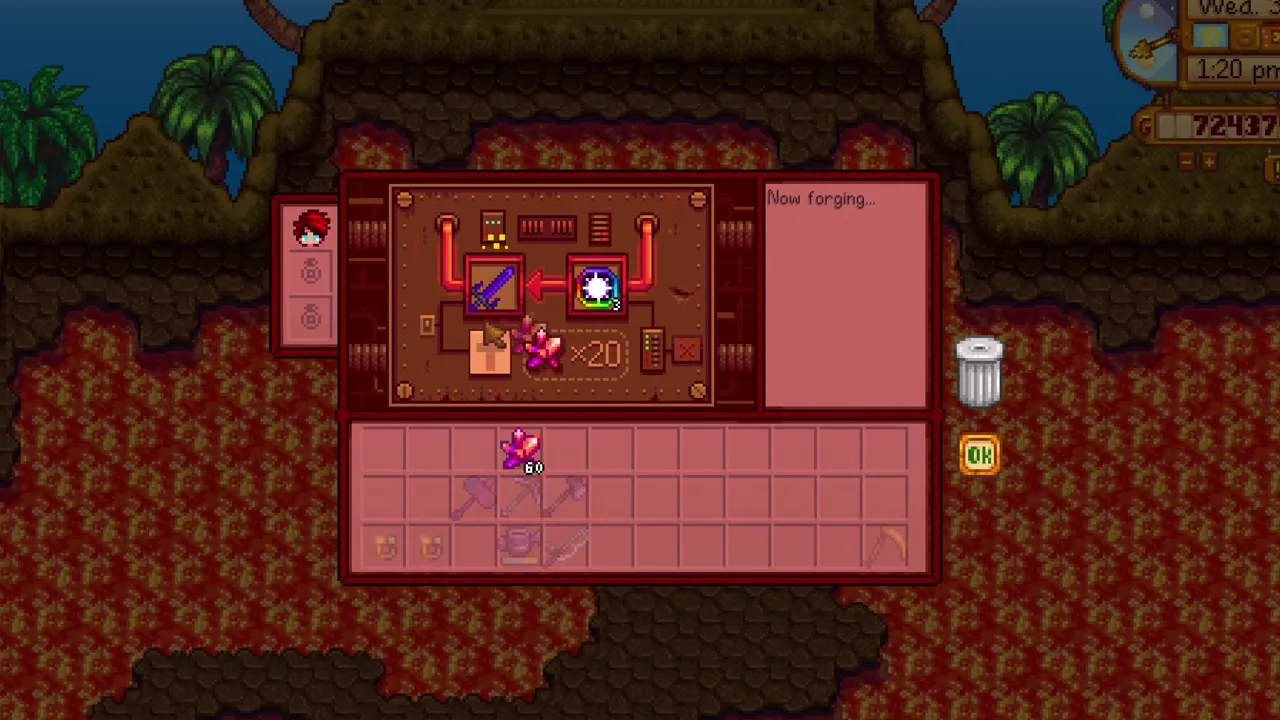
I know Gunther looks lonely. Ignore him. Your first prismatic shard should become a Galaxy Sword. That weapon saves time in every combat area for the rest of the game. Donate a later shard when you are rich and emotionally stable.
You need desert access to obtain the Galaxy Sword; hold the shard in the center of the three pillars. Save it safely until you can make the trip.
For a more detailed walkthrough, see my Prismatic Shard guide.

12. Incubate your first Dinosaur Egg
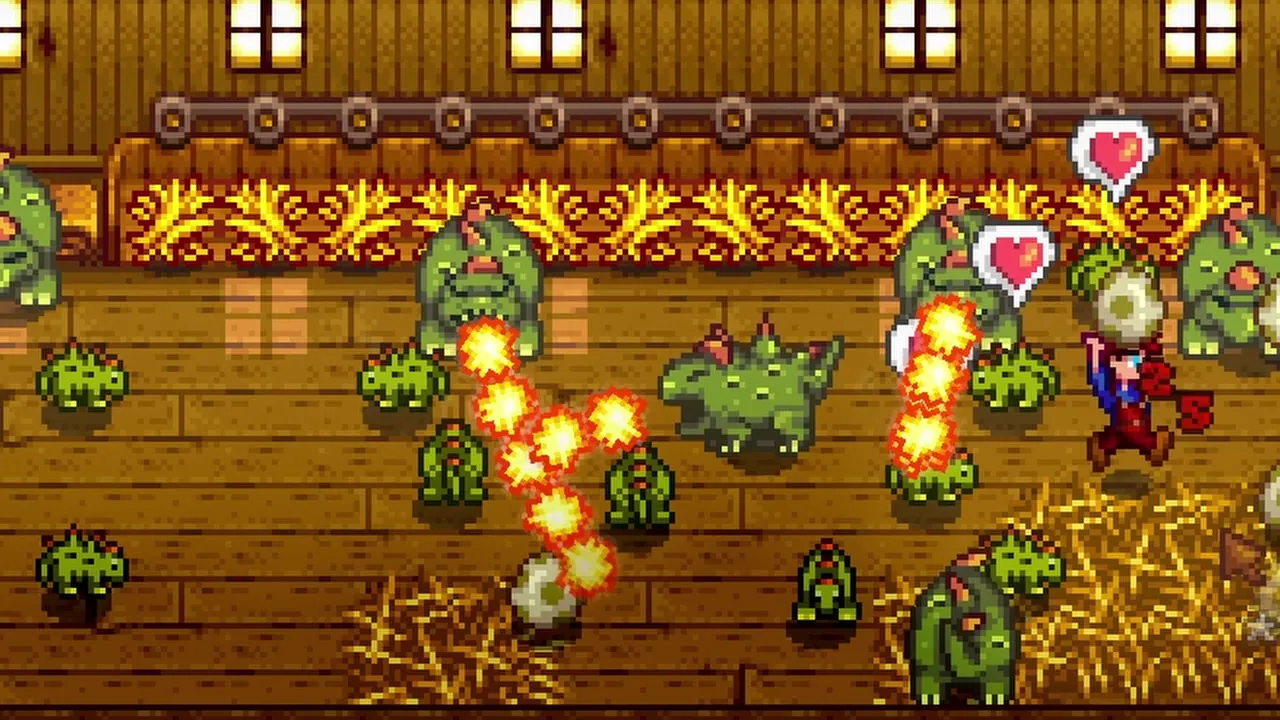
The first dinosaur egg belongs in an incubator. Once you have a dinosaur, it can produce more eggs. Then you can donate one, sell one, turn one into mayo, frame one emotionally, whatever you want. But if you process the first one immediately, you are deleting future convenience.
An incubator comes with the Big Coop and Deluxe Coop. Leave room for the dinosaur when it hatches.
13. Start Ancient Fruit early
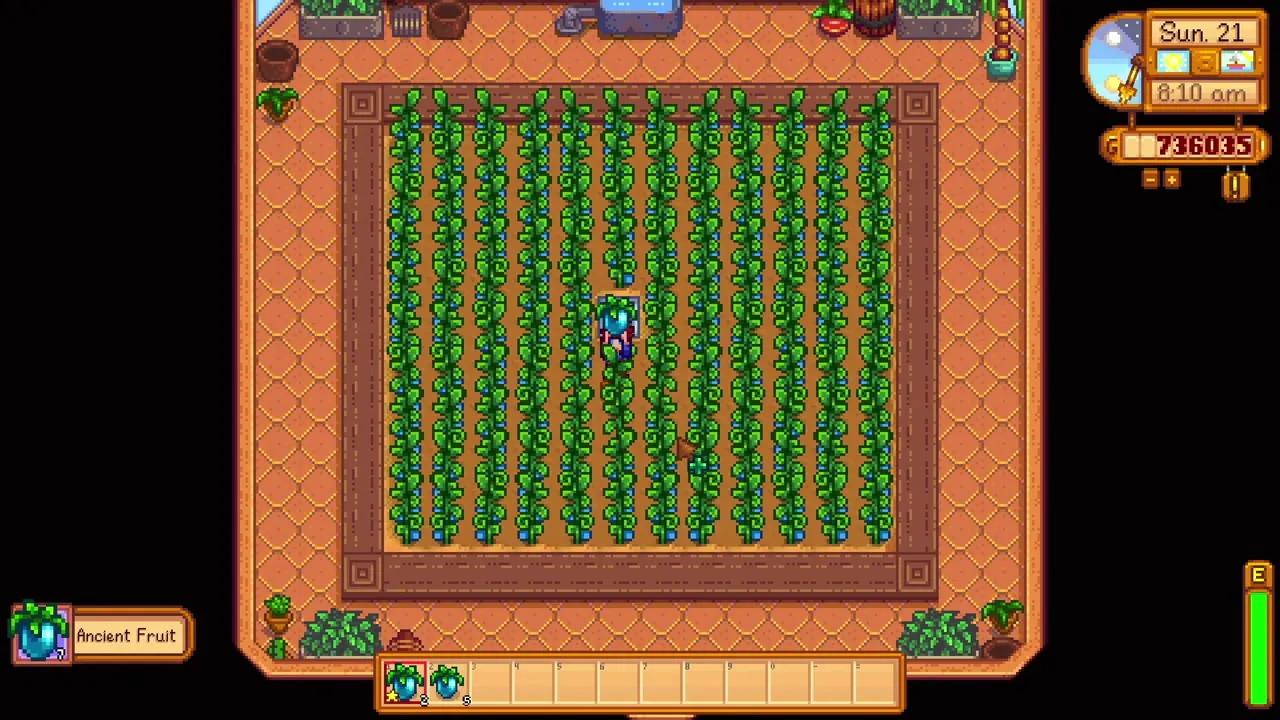
Ancient fruit is one of the most powerful long-term crops in the game. If you want an ancient seed early, repeat bug-heavy mine floors like floor fifteen and keep farming bugs. You may not get it instantly, but getting ancient fruit started early saves an absurd amount of time later, because the real bottleneck is seed multiplication.
Donate the Ancient Seed artifact to the museum to receive the plantable seed and crafting recipe. Keep the artifact and seed packet distinction in mind.
14. Multiply valuable crops with Seed Makers
A Seed Maker can turn an early harvest into the next planting. Ancient Fruit is the classic example: multiply the first fruit to build a permanent crop supply. Pineapples and Qi Fruit can also benefit when you need more seeds.
You insert the harvested crop, not the seed packet. Sweet Gem Berries can produce Rare Seeds, but sacrificing a valuable berry is not automatically profitable. Compare the seed value with selling the crop before feeding every harvest into a machine.
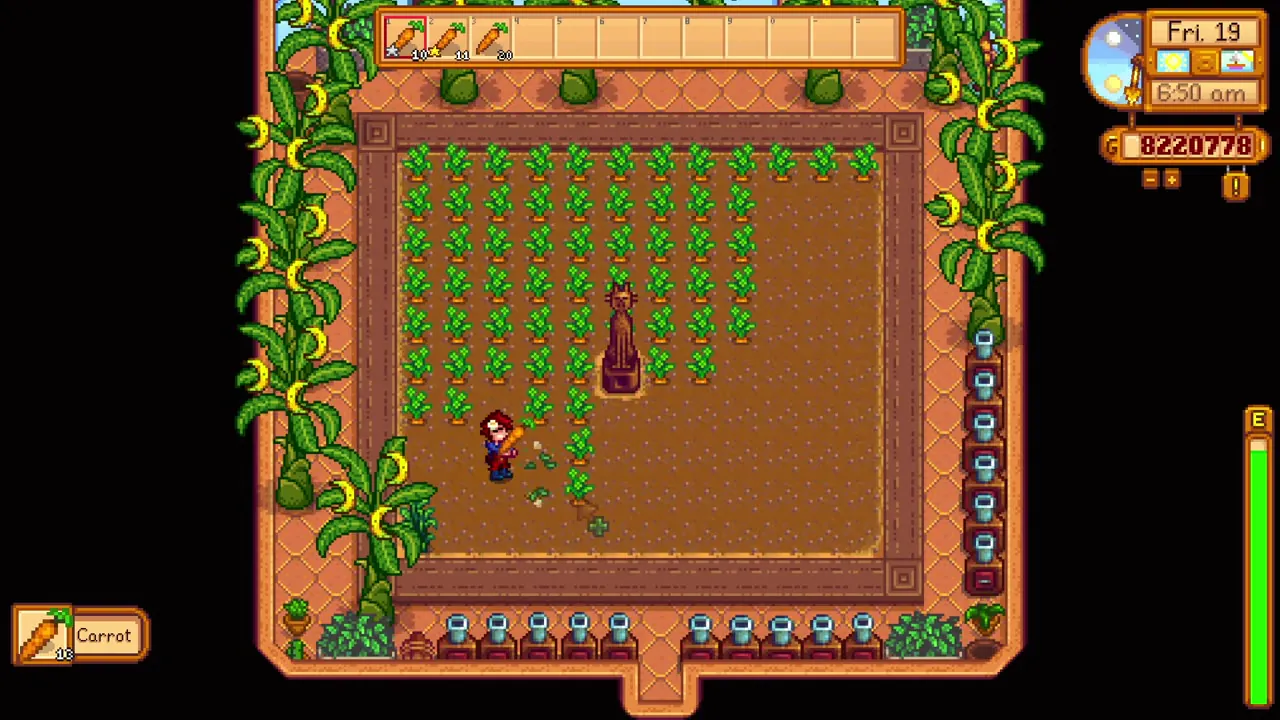
15. Buy Rare Seeds ahead of fall
The traveling cart sells rare seeds in spring and summer. Buy them when you can. Sweet gem berries take a long time, but they sell for a lot, and they become even more interesting once you start combining them with better fertilizer, professions, and endgame planning. If you wait until you need them, you will wish you started earlier.
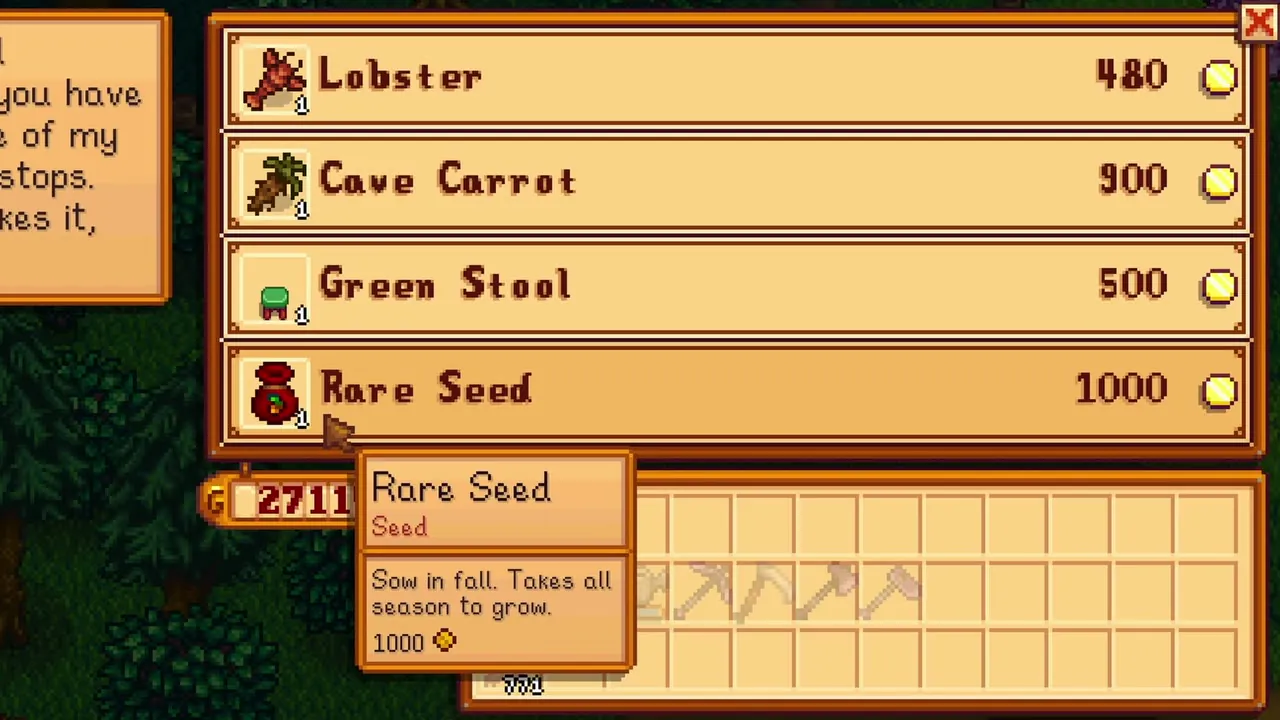
16. Use Tree Fertilizer
Use Tree Fertilizer on wild-tree seeds or saplings when you need a wood or tapper supply sooner. It is especially helpful when your crafting plans are waiting on mature oaks.
It does not speed up fruit trees. Mahogany also follows different growth odds from ordinary oak, maple, and pine trees, so do not assume every fertilized tree finishes on the same schedule.
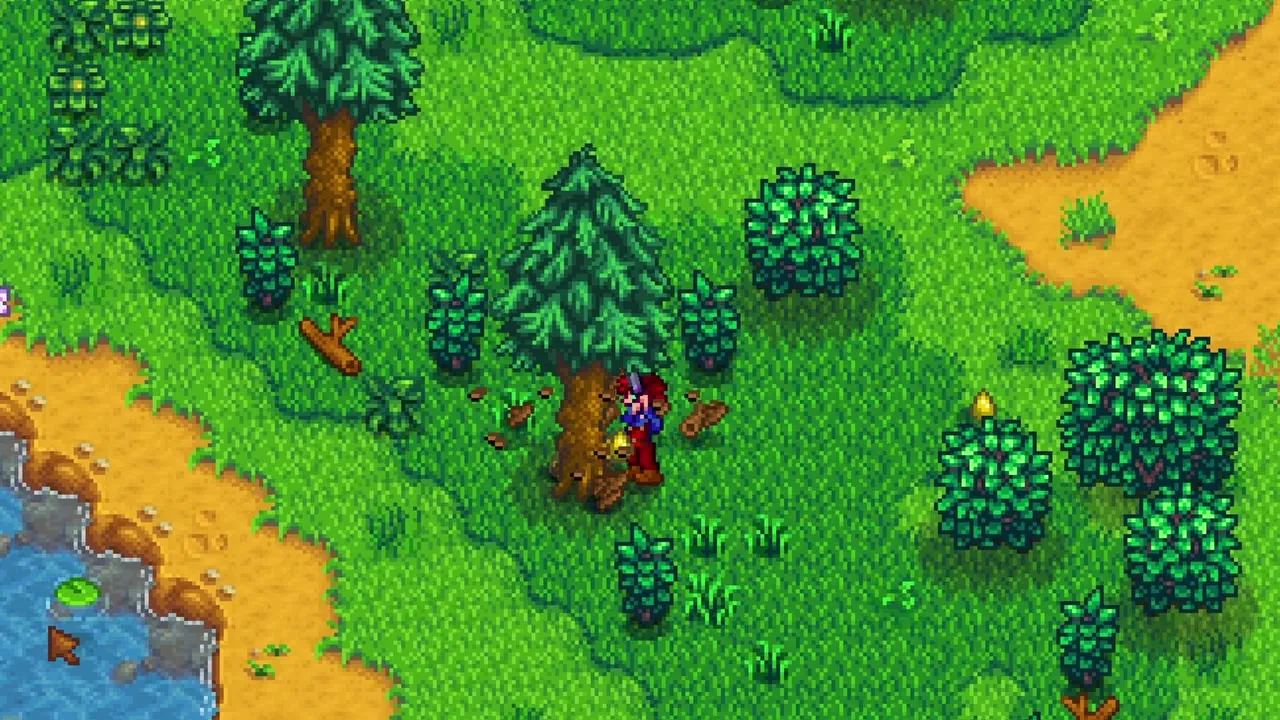
17. Grow wood beyond the farm
Your farm is not the only place trees can live. Plant them in the desert, around the valley, near the railroad, and in other safe open spaces. Wood is one of those resources you think you have enough of until you start building sheds, kegs, tappers, bee houses, and everything else. Future you will thank you.
18. Consider buying wood in year one
Robin’s wood is cheaper in the first year. If you have extra money and you know you will build heavily later, buying wood early can save you grinding later. It feels wrong to buy wood. It also feels wrong to spend entire days chopping trees because you refused to plan ahead.
19. Keep your tree seeds
Acorns, maple seeds, and pine cones are future wood, future tappers, future field snacks, and future tree fertilizer targets. Keep them. Plant them. Turn empty space into future resources.
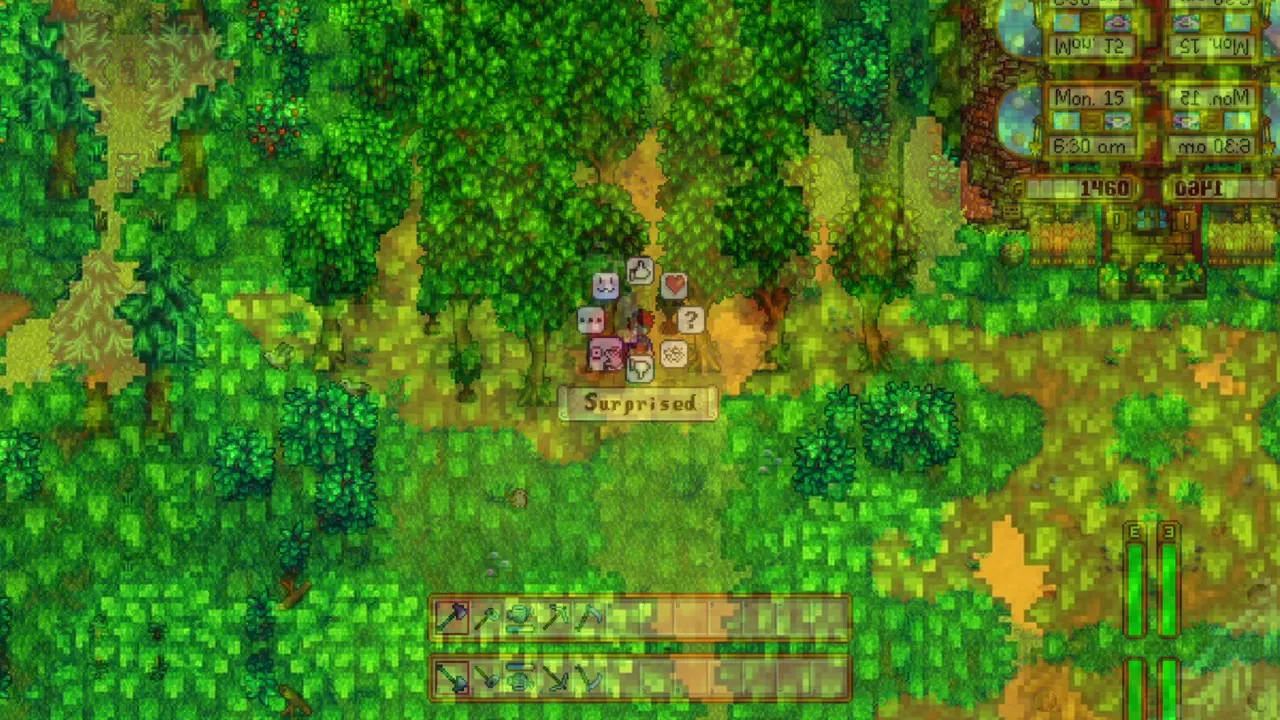
20. Build a hardwood reserve
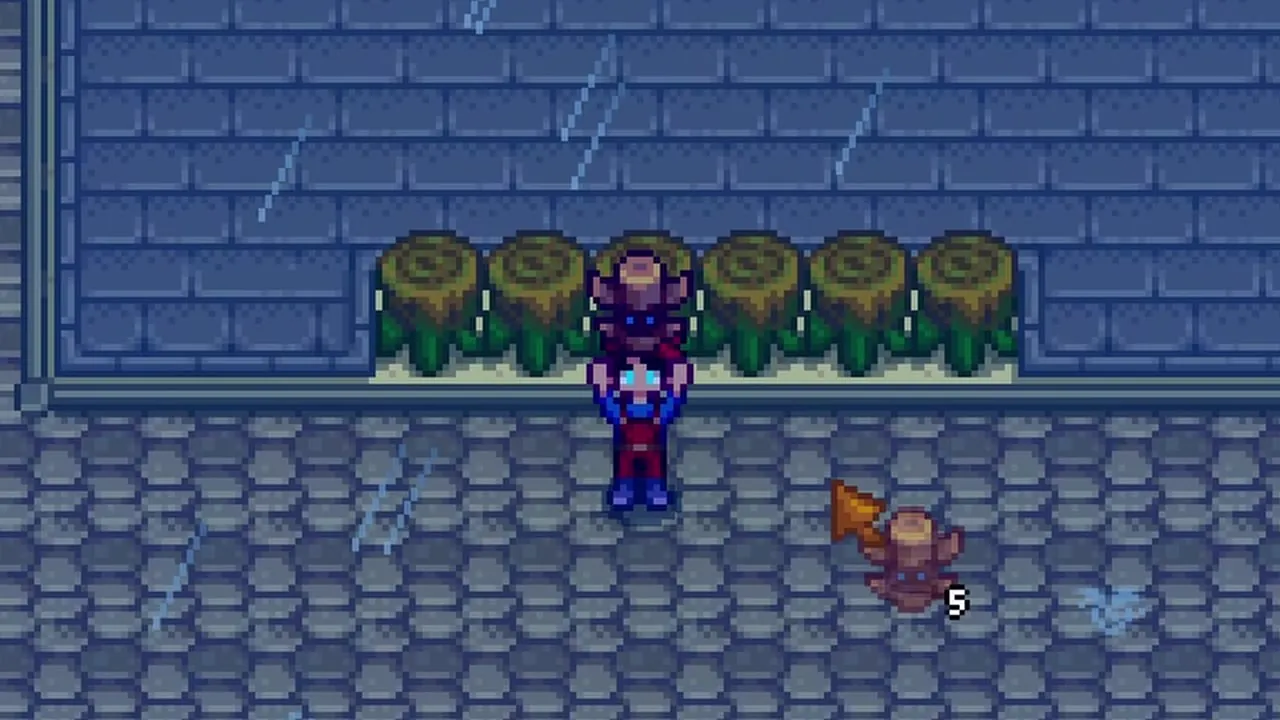
Make regular Secret Woods visits once your axe can clear the entrance. The six large stumps provide a renewable hardwood route, so you can build a reserve before the stable, boat repairs, or crafting projects need it.
Hardwood is not limited to that route. Grow Mahogany Trees as well, and use other sources your farm type and progression make available. A small reserve beats discovering a large material requirement at the last minute.
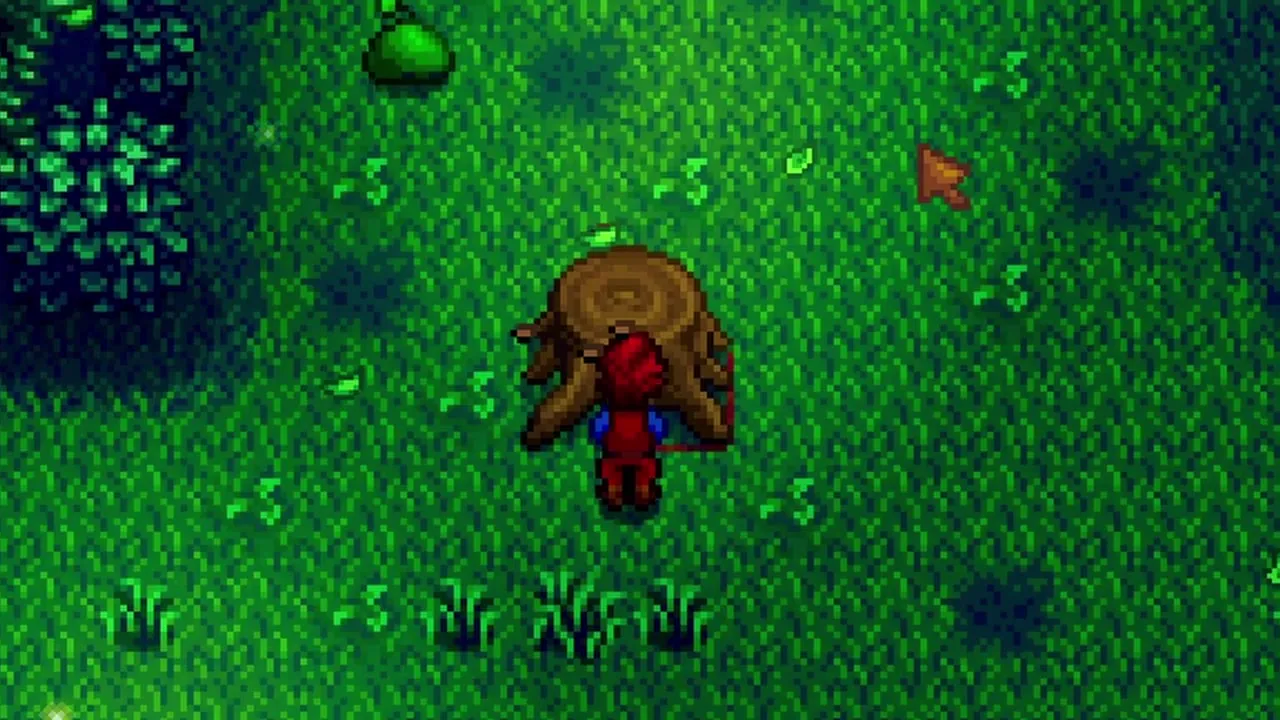
21. Unlock Garden Pots
The pantry bundle gives you the greenhouse, which is already amazing. But it also leads you toward garden pots, and garden pots become extremely powerful later with deluxe retaining soil. The greenhouse is not the end of indoor farming. It is the tutorial.
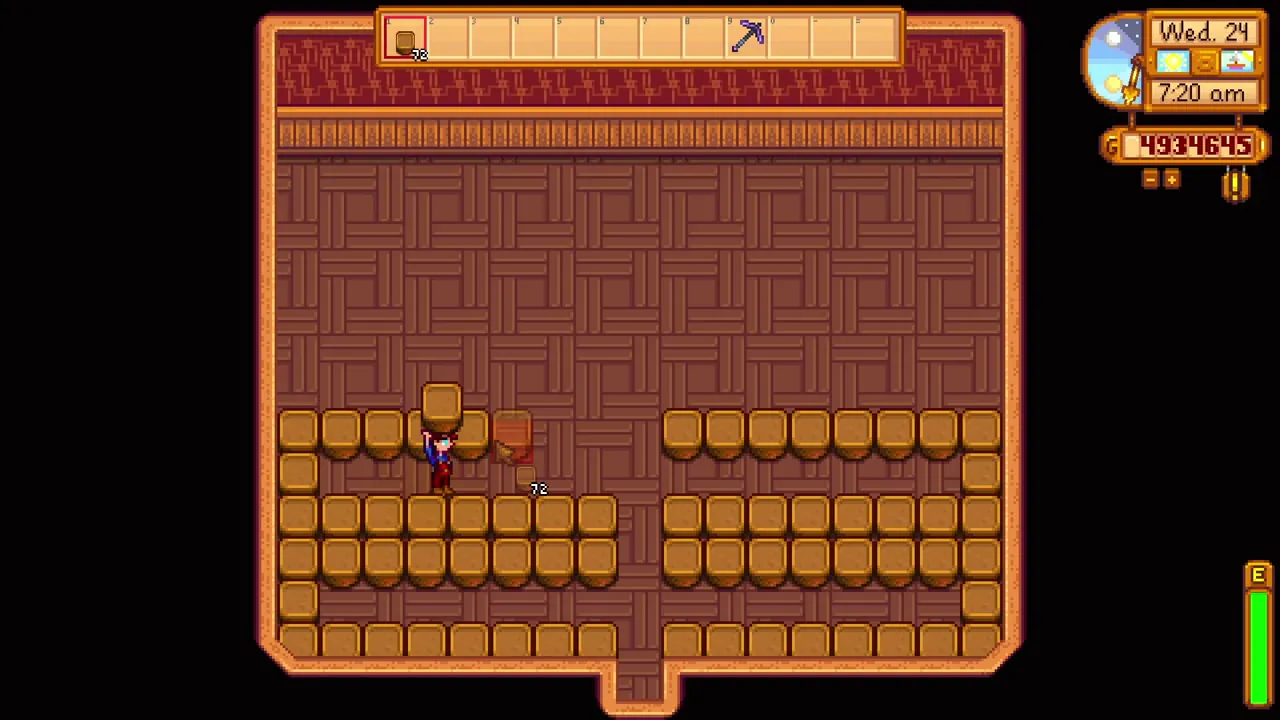
22. Use indoor pots with Deluxe Retaining Soil
Indoor Garden Pots let a shed grow crops outside their normal season. Add Deluxe Retaining Soil and water the pots once; the soil keeps them watered. Regrowing crops such as pineapple can make a convenient long-term setup.
Garden Pots cannot grow Ancient Fruit, and sprinklers do not water pots. Keep walking space to reach every harvest. This is an alternative indoor growing area, not a reason to replace a working greenhouse.
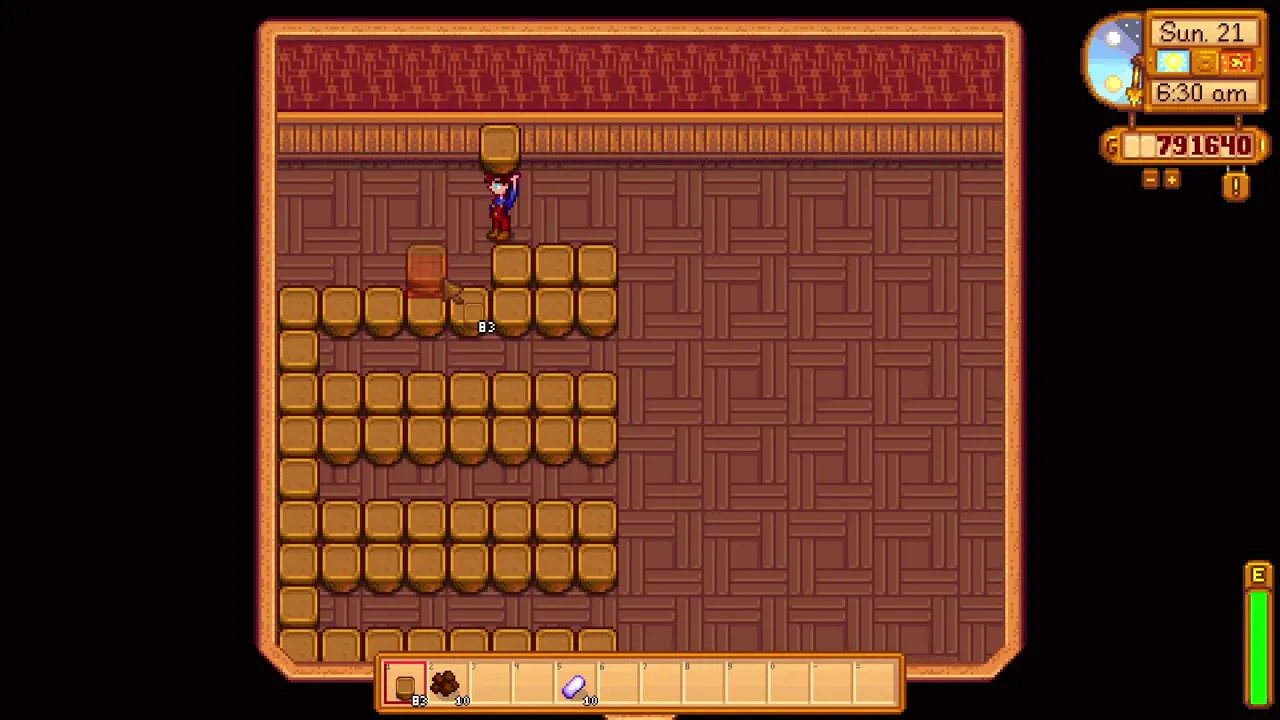
23. Plan your greenhouse space
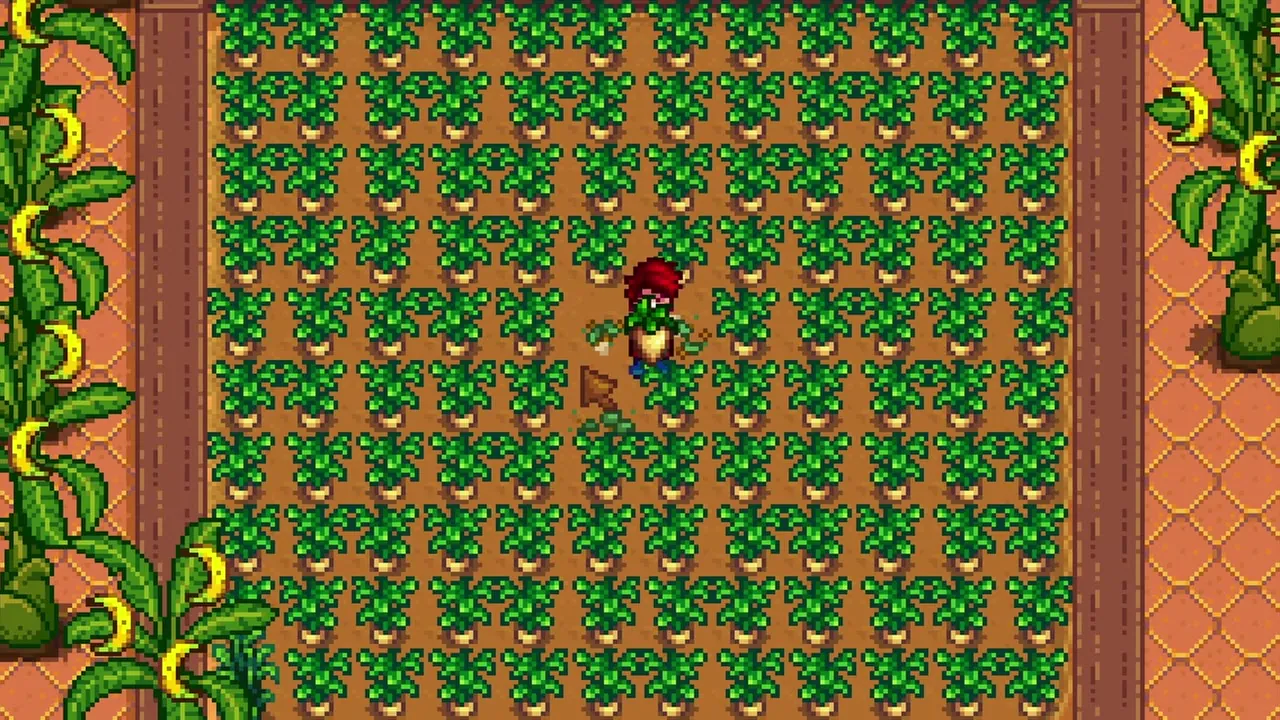
The greenhouse has a 10-by-12 soil area: 120 crop tiles before any sprinklers occupy soil. You can also arrange 18 fruit trees around the edges with an appropriate layout. Leave the necessary clearance while the trees mature.
Choose crops that suit your routine. Ancient Fruit is convenient for weekly harvests; Starfruit can earn more per bottle of wine but needs replanting. Count the usable crop tiles in your actual sprinkler layout rather than assuming all 120 remain planted.
For a more detailed walkthrough, see my crop guide.
24. Buy Friday sprinklers from Krobus
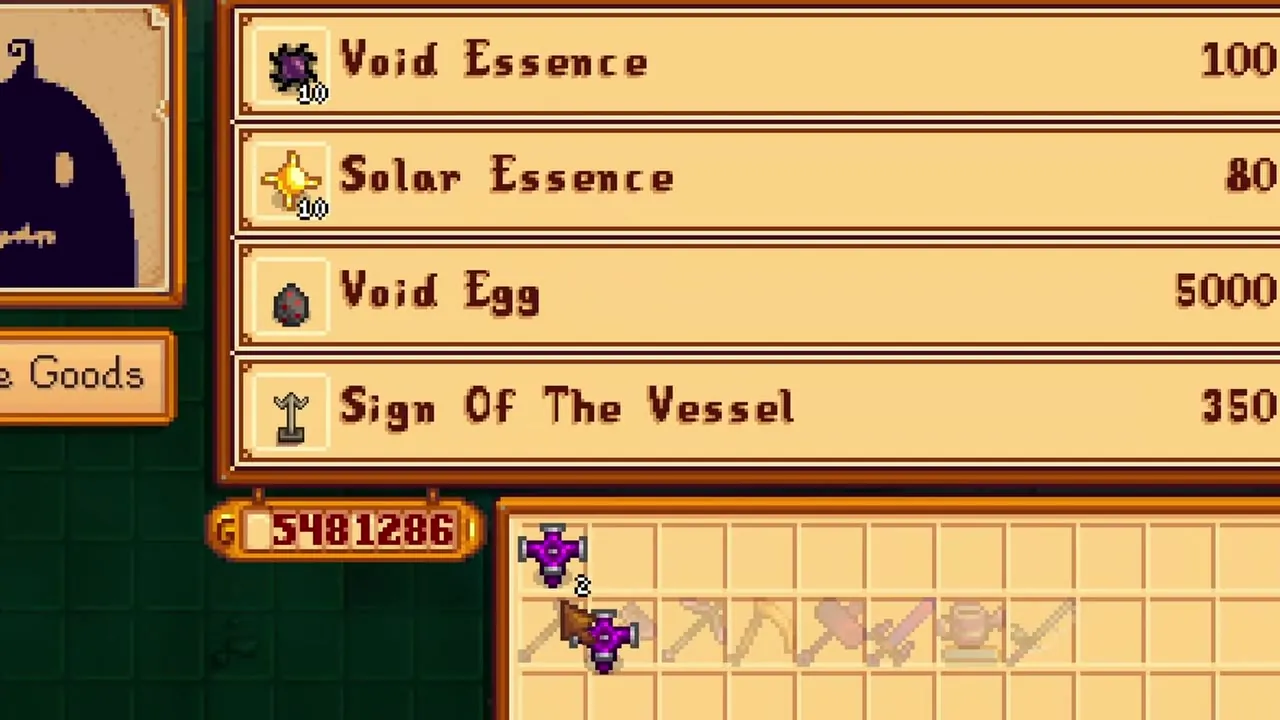
Once you can enter the sewer, visit Krobus on Fridays. He sells iridium sprinklers for ten thousand gold. That is often easier than crafting them yourself, especially when batteries and iridium bars are still limited. Buying sprinklers is buying your mornings back.
25. Prepare Lightning Rods before storms
Battery packs are one of those resources you need for important upgrades, sprinklers, and Ginger Island progression. If you wait until the game asks for them, you are at the mercy of storms. Craft lightning rods early, place a bunch of them, and let bad weather become useful.
26. Use Rain Totems for rain, not storm chains
Rain Totems help arrange a rainy day for fishing or watering plans. They do not recreate the old storm-chaining trick in Stardew Valley 1.6: that behavior was fixed. Ordinary rain does not guarantee lightning or Battery Packs.
For batteries, build Lightning Rods ahead of natural storms and collect finished packs. Later, Solar Panels provide another option. Festival days and the first day of a season also limit what a Rain Totem can change.
27. Trade Jade for staircases
Diamonds sell for money. Jades turn into staircases at the desert trader on Sundays. And staircases save more time than diamonds ever will. Fill crystalariums with jades, stockpile them, and trade them for staircases. This single habit changes the Skull Cavern forever.
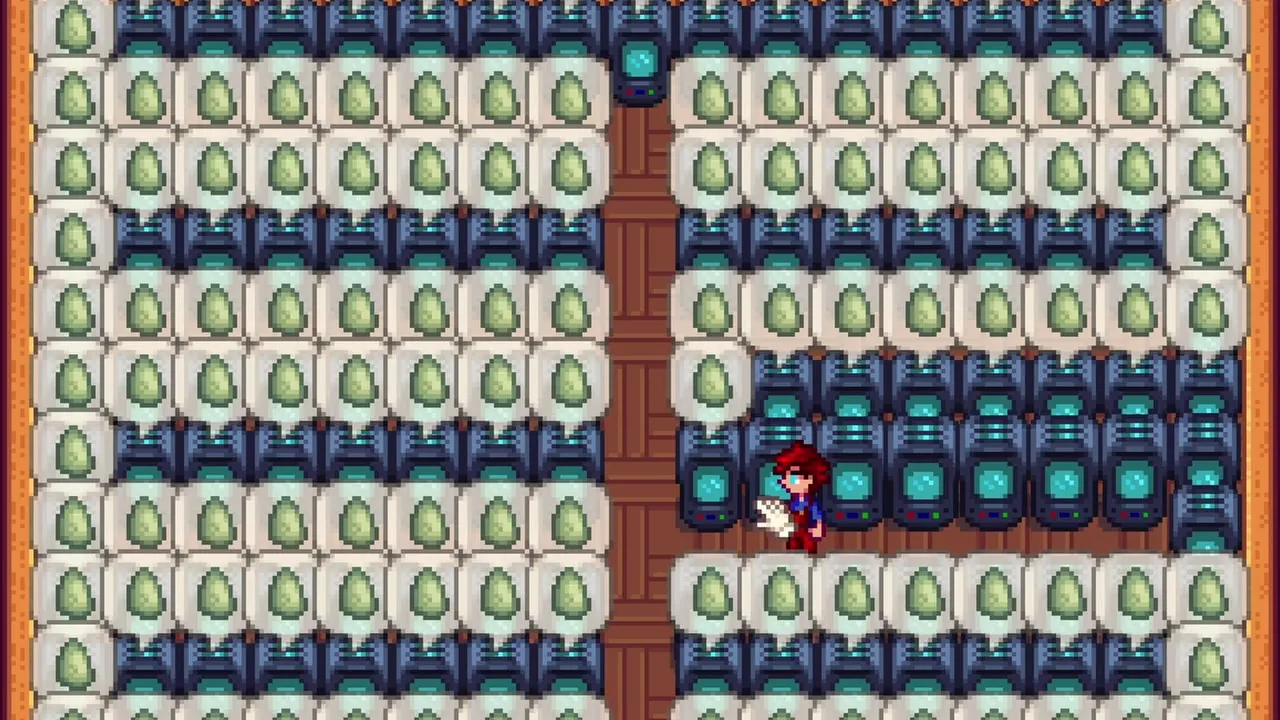
28. Retrieve gems before changing a Crystalarium
To change what a Crystalarium copies, remove it with a tool, collect the original gem, then place the machine and insert your new gem. This also lets you move a machine without sacrificing the gem inside.
The old warning that inserting another gem silently destroys the previous one does not describe current 1.6 behavior. Keep your Jade, Diamond, and Ruby machines organized so changing one does not disrupt the production cycle you intended.

29. Warp to the desert early
Pam starts working at ten. Your farmer wakes up at six. That is four hours of Skull Cavern time disappearing because you politely waited for the bus. Trade omni geodes for desert warp totems at the Desert Trader and start your Skull Cavern run at six in the morning. Four extra hours in the cavern is enormous.
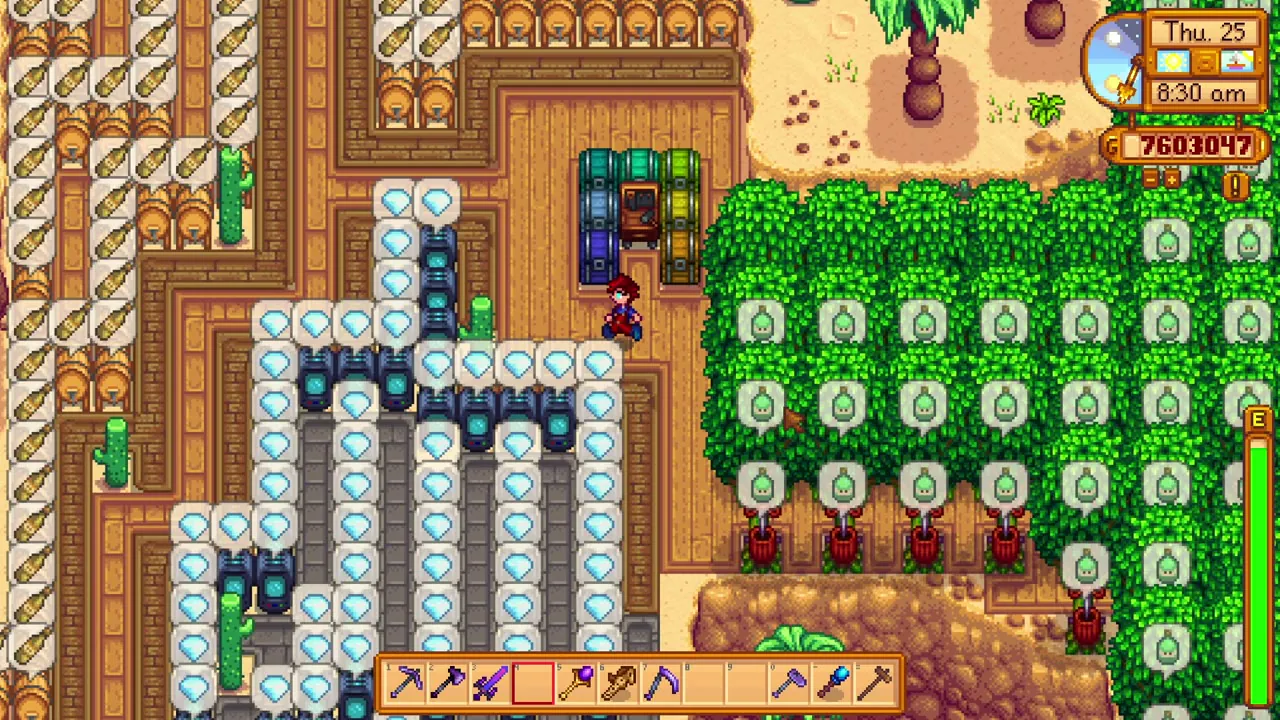
30. Skip slow Skull Cavern floors
The goal is not to bravely clear every floor. The goal is to get deep quickly. Use staircases on monster floors, spiral floors, infested floors, or any floor that wastes time. The deeper you go, the better the rewards become. Pride does not drop iridium ore. Deep floors do.
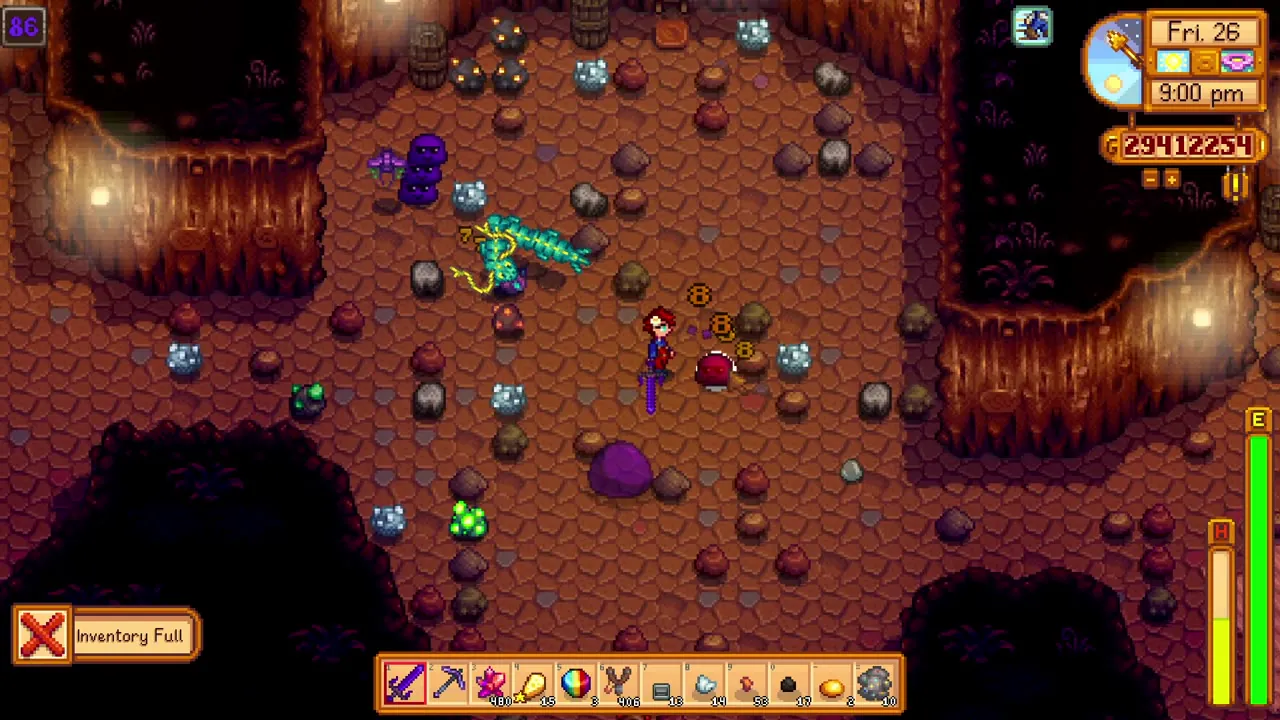
31. Separate healing food from buffs
Use healing food with no buffs, like cheese, so you do not accidentally overwrite your good buffs. Then use buff food like spicy eel, lucky lunch, or other luck and speed options. You can also combine food buffs with drink buffs like triple shot espresso or ginger ale. Mining without speed and luck is technically possible.
So is walking everywhere without shoes. I do not recommend it.
Food and drink buffs can coexist, but eating another buff food normally replaces the existing food buffs.
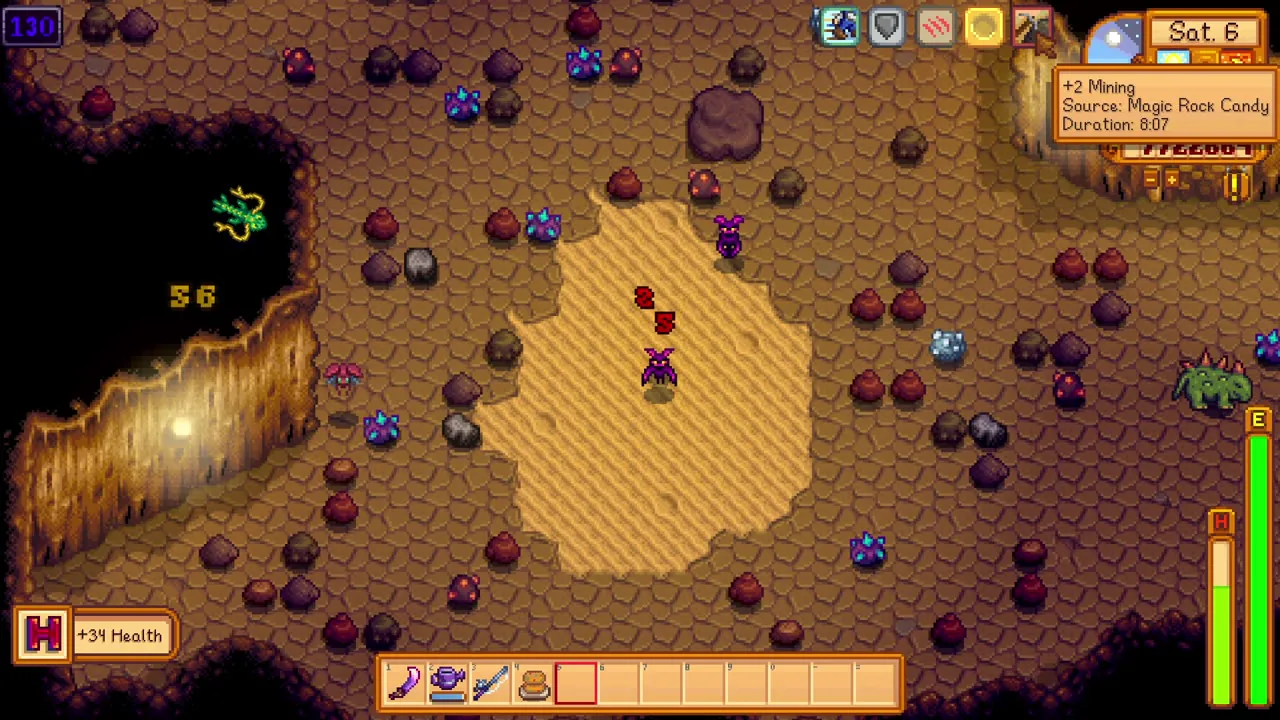
32. Practice with Explosive Ammo
A slingshot loaded with Explosive Ammo can clear rocks quickly once you learn its aiming and detonation rules. Practice near walls and enemies; it does not simply explode whenever it touches a rock. Controls also feel different across platforms.
Carry regular bombs as well. Open rooms can favor bombs, while narrow areas may favor Explosive Ammo. Use the tool that clears the floor reliably rather than treating either one as universally superior.
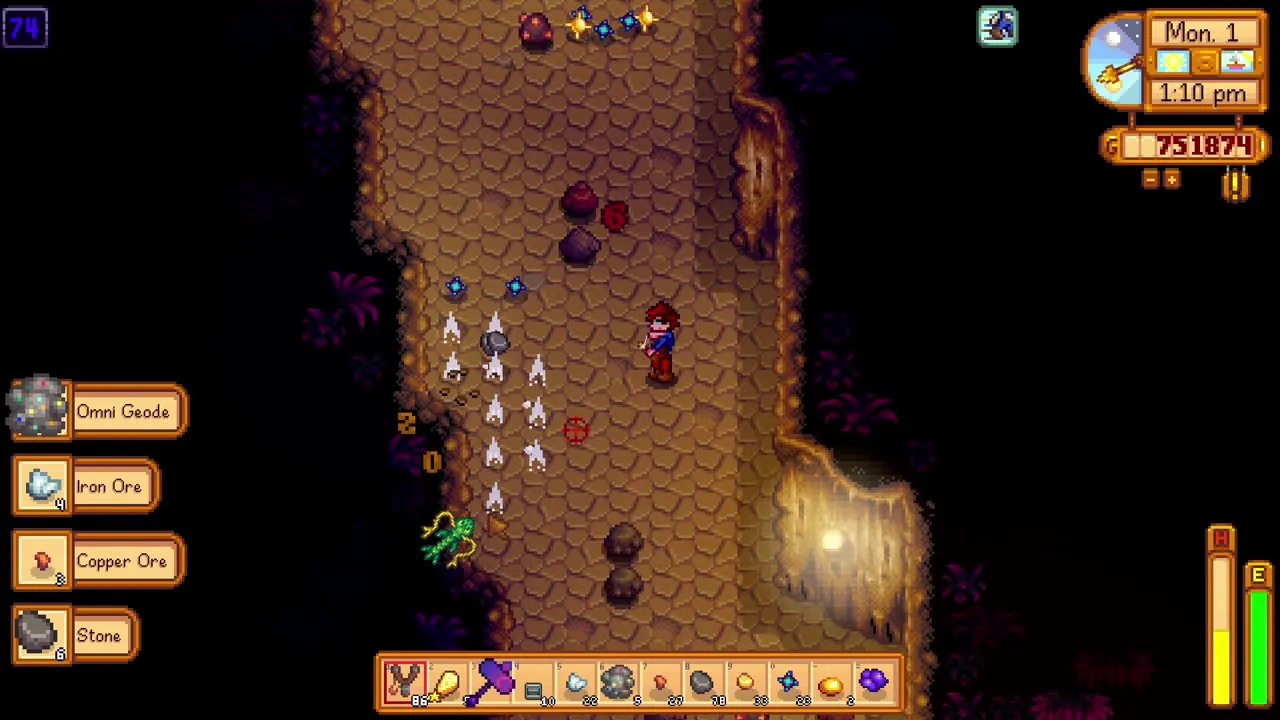
33. Target iron-rich mine floors
Iron is needed for kegs, bee houses, explosive ammo, machines, and all kinds of useful things. If you need iron, repeat floor forty and forty one in the regular mines. Bring bombs if you can. Do not wander randomly through the mines hoping the game blesses you. Target the resource.
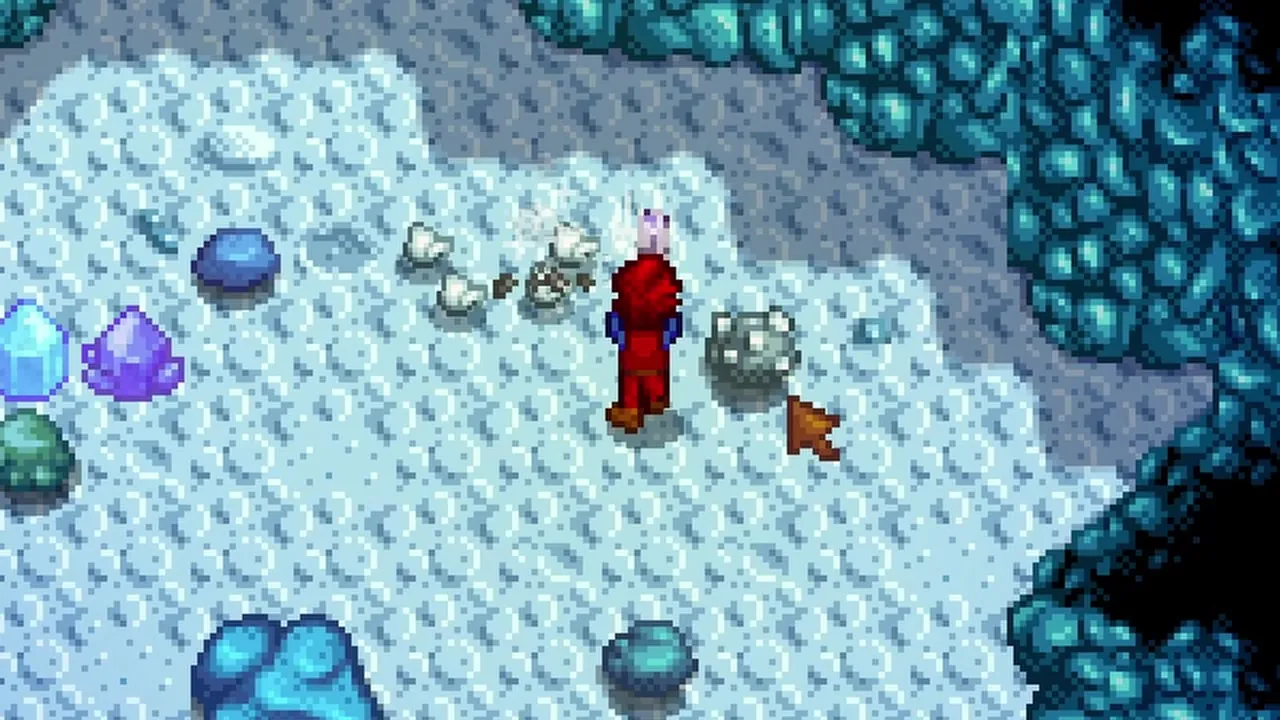
34. Target gold-rich mine floors
Need gold ore? Use the same idea. Enter around floor eighty and check floor eighty one for gold nodes. Gold bars become crystalariums, sprinklers, machines, and progress. Again, do not mine randomly when a focused route exists.
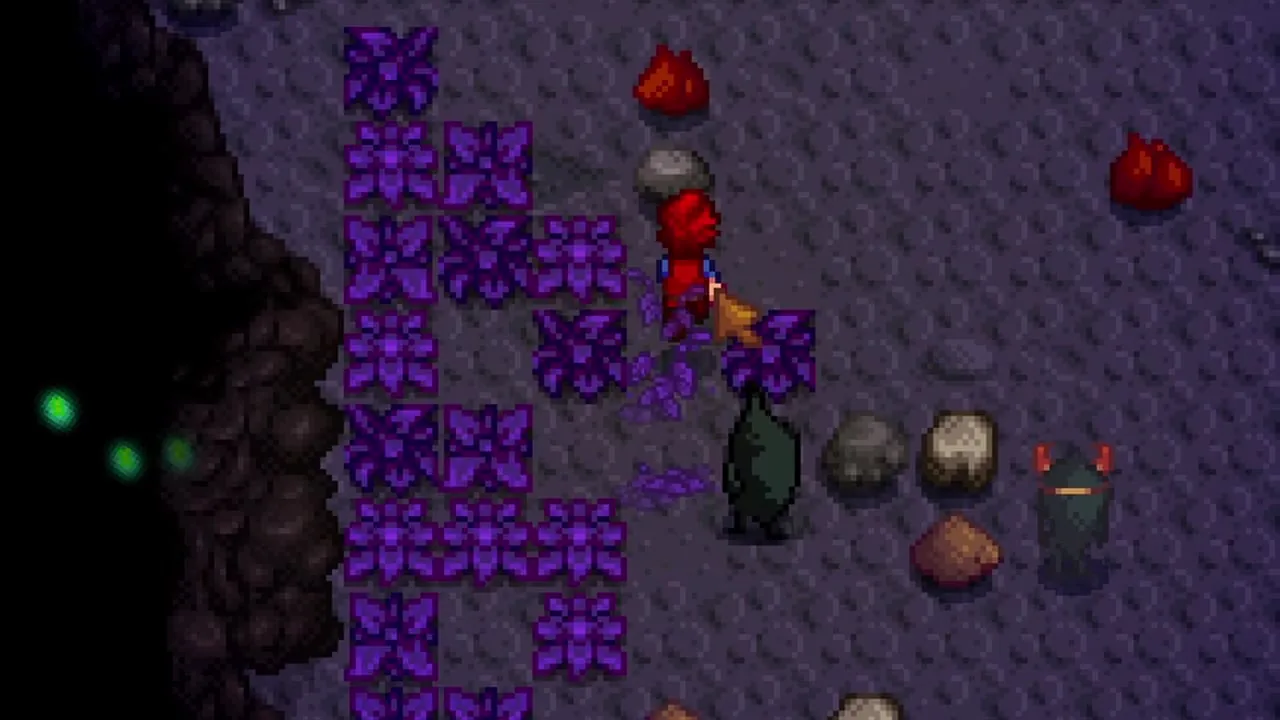
35. Farm Dust Sprites for coal
Coal is always a problem. You need it for bars, crafting, machines, and basically everything that makes your farm function. Use a burglar ring, add monster musk if you have it, and farm dust sprites between floors forty and sixty. Coal shortages are not glamorous, but they slow everything down.
For a more detailed walkthrough, see my best rings guide.
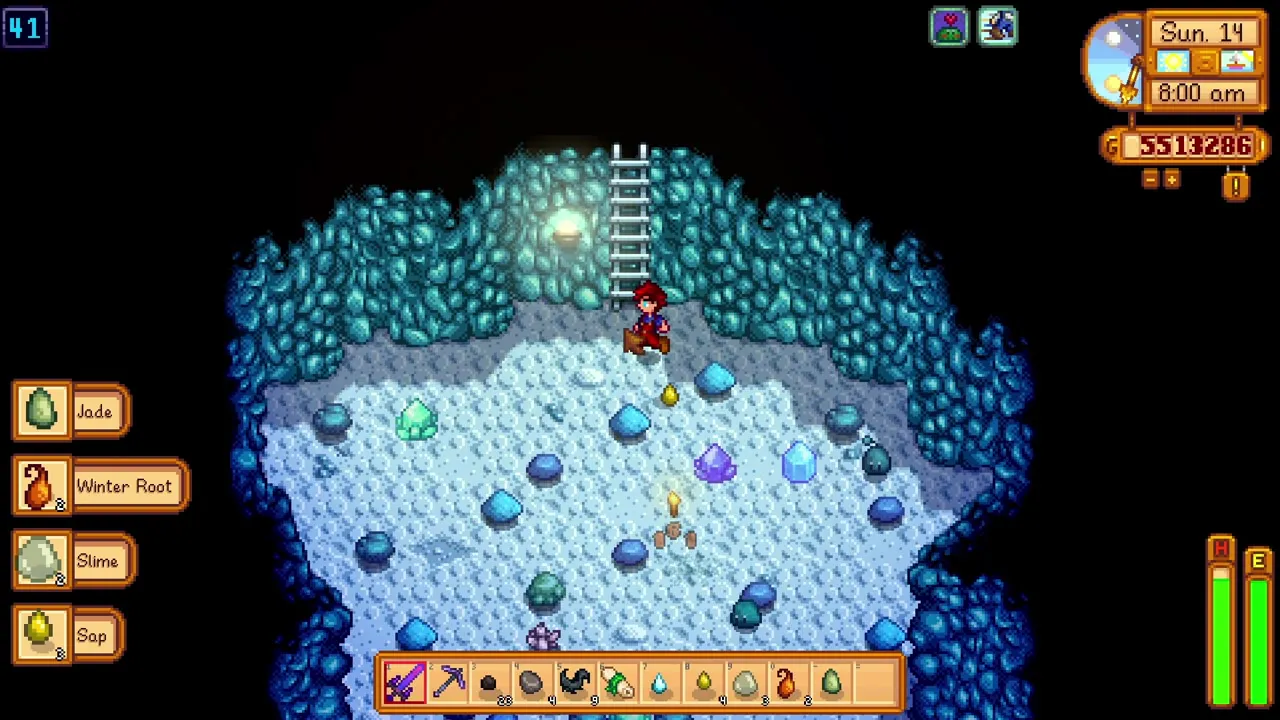
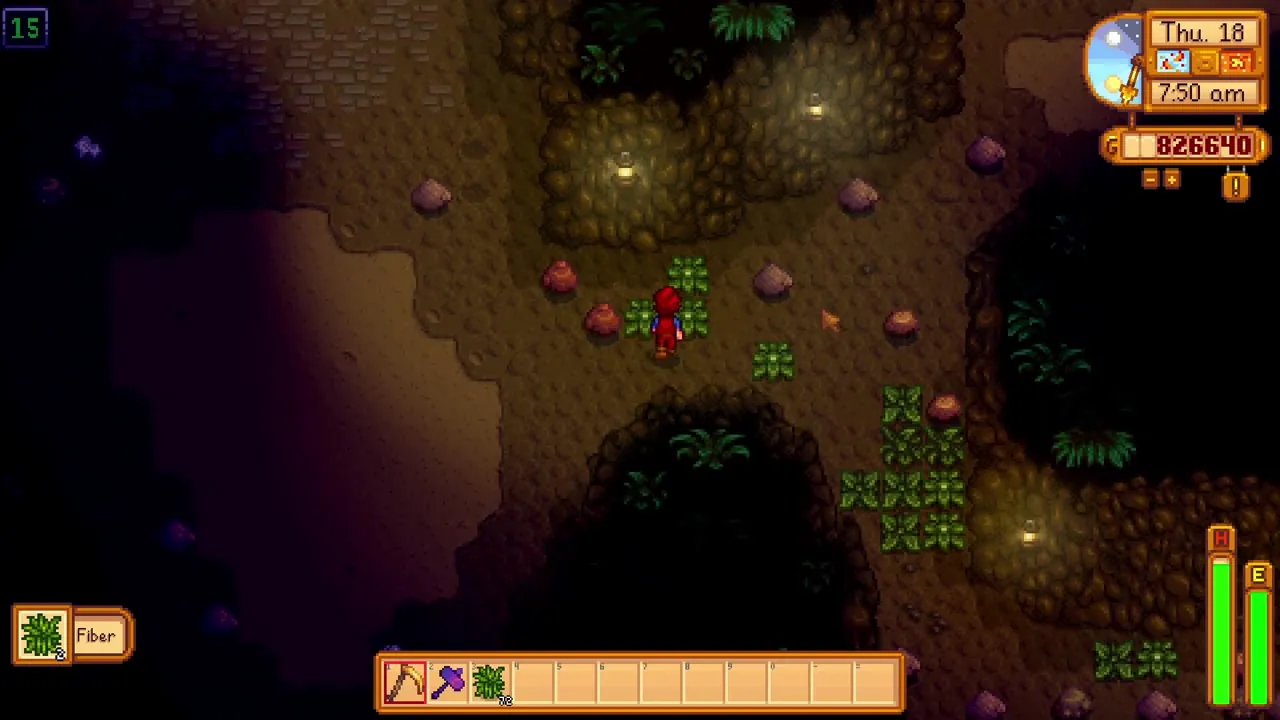
36. Collect fiber before you need it
The mutant bug lair is easy to underestimate. It gives fiber, and later you can use awkward spaces like this for machines if you know what you are doing. Fiber becomes especially important for deluxe retaining soil and late-game crafting. If you only start farming fiber when you need hundreds of it, you are going to suffer.
37. Grow Fiber Seeds
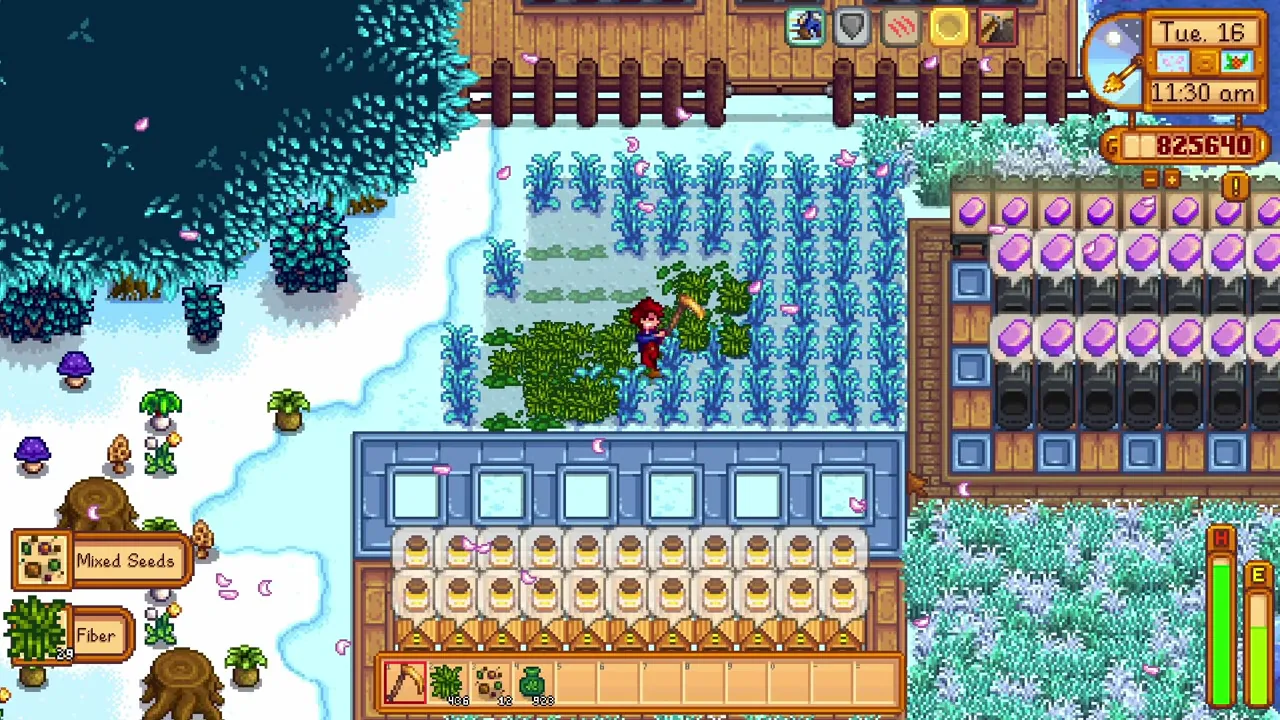
Fiber seeds are incredible. They grow in any season, they do not need watering, and they produce a pile of fiber. Get the recipe from Linus’s community cleanup special order. This turns fiber from an annoying resource into a renewable crop.
38. Smelt Fire Quartz for Refined Quartz
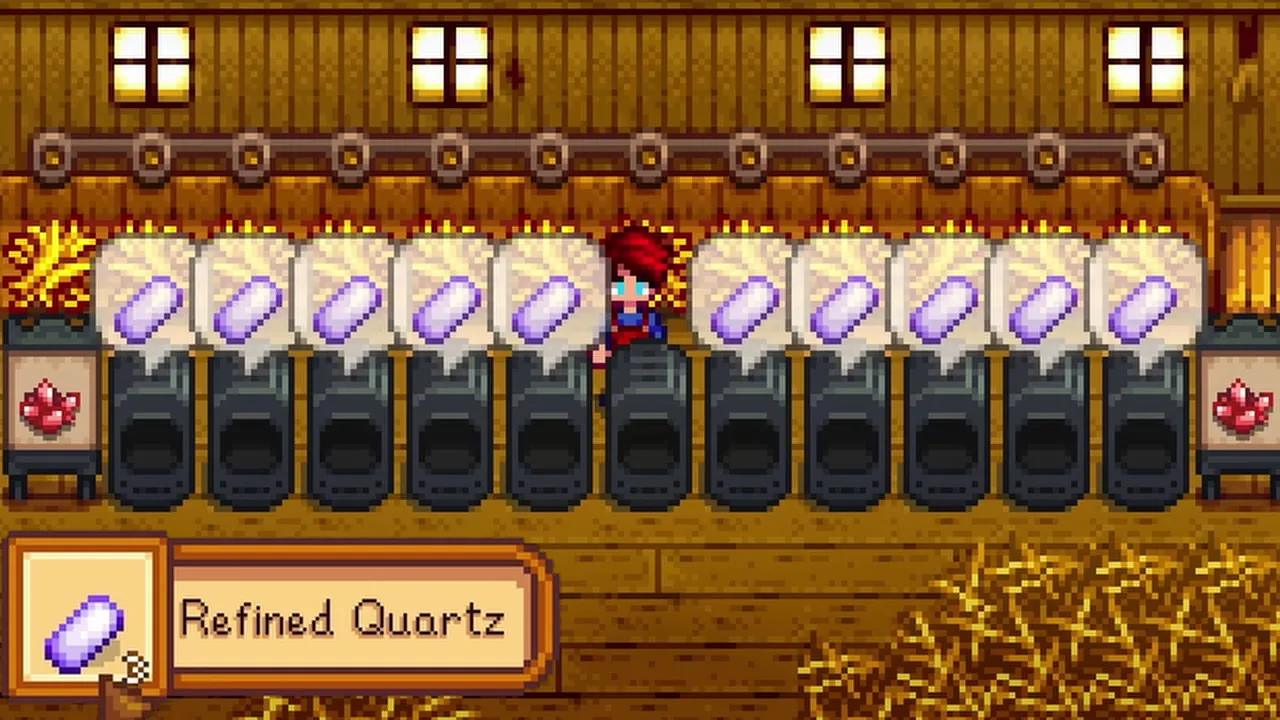
Refined quartz is needed for garden pots and other crafting. Instead of slowly recycling trash or hunting normal quartz forever, duplicate fire quartz in crystalariums. Then smelt the fire quartz. Each one gives three refined quartz. That is the kind of exchange rate we like.
39. Deconstruct staircases for stone
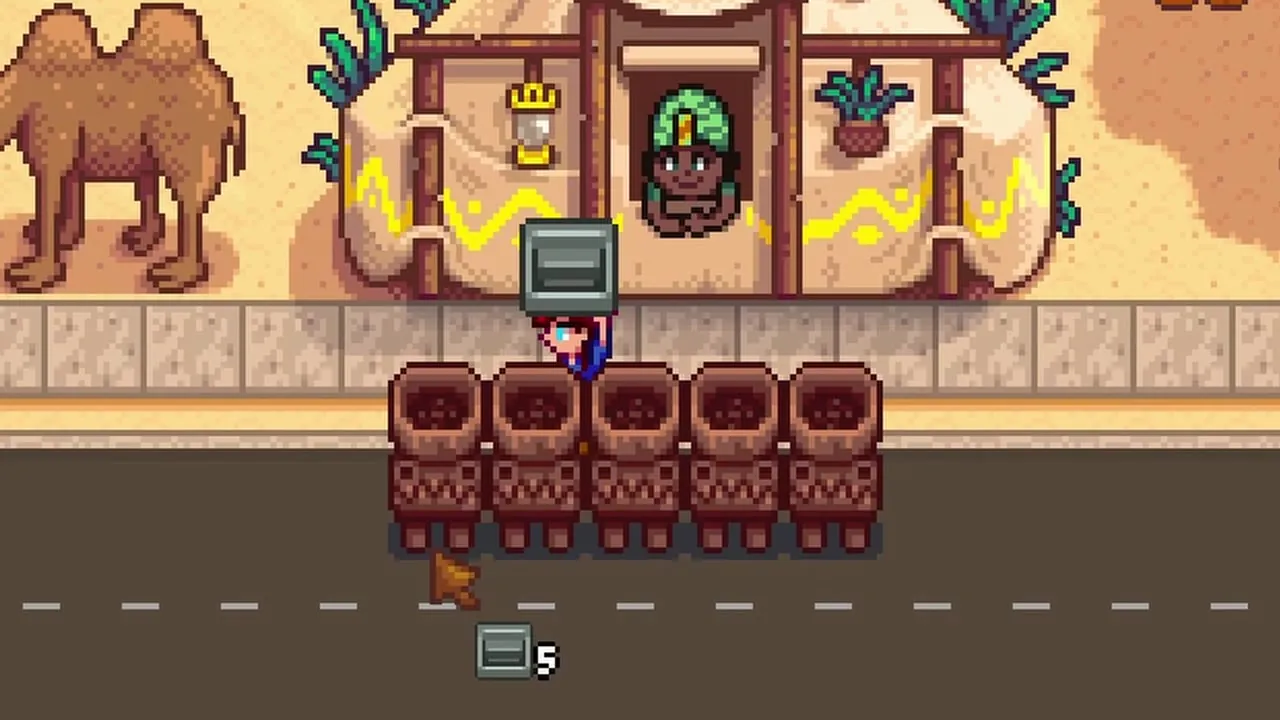
Once you have deconstructors, staircases become one of the funniest resource loops in the game. Trade jades for staircases. Put staircases into deconstructors. Get ninety-nine stone each. You are basically turning crystalariums into stone machines. This is endgame nonsense, and I love it.
40. Recover materials with a Deconstructor
The Deconstructor returns the most valuable material from a supported crafted item, not every ingredient. That creates useful late-game conversions: Grass Starters can yield fiber, and Cork Bobbers can yield hardwood.
Compare the purchase or crafting cost with the material you recover. It is a convenience tool for specific shortages, not a universal profit machine. Keep important equipment out of the input pile.
41. Work toward Qi’s Walnut Room
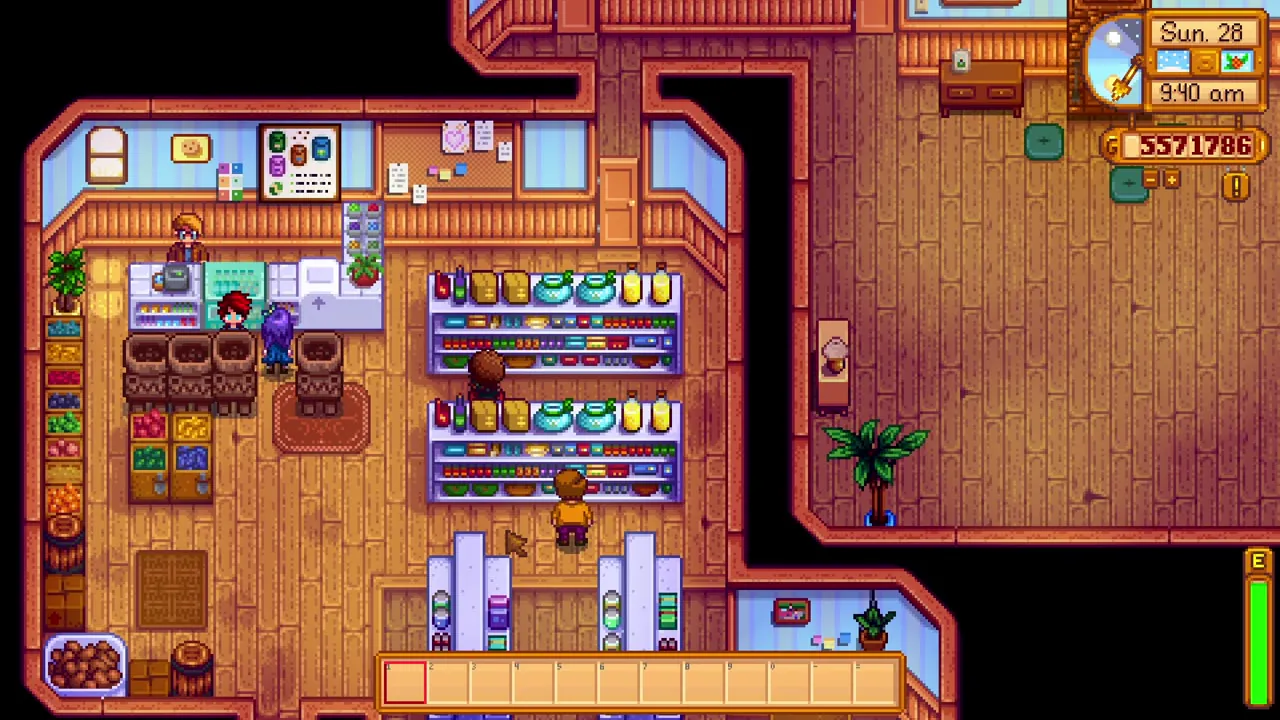
I know. Golden walnut hunting can feel tedious. Do it anyway. You need Ginger Island upgrades, and eventually you need access to Mr Qi’s walnut room. That room unlocks some of the most powerful items and upgrades in the entire game. The sooner you stop avoiding walnuts, the sooner the game opens up.

42. Buy the Horse Flute
The Horse Flute lets you summon your horse outdoors, including on Ginger Island and in the desert. It is a useful Qi purchase once you already own a horse and spend time far from the stable.
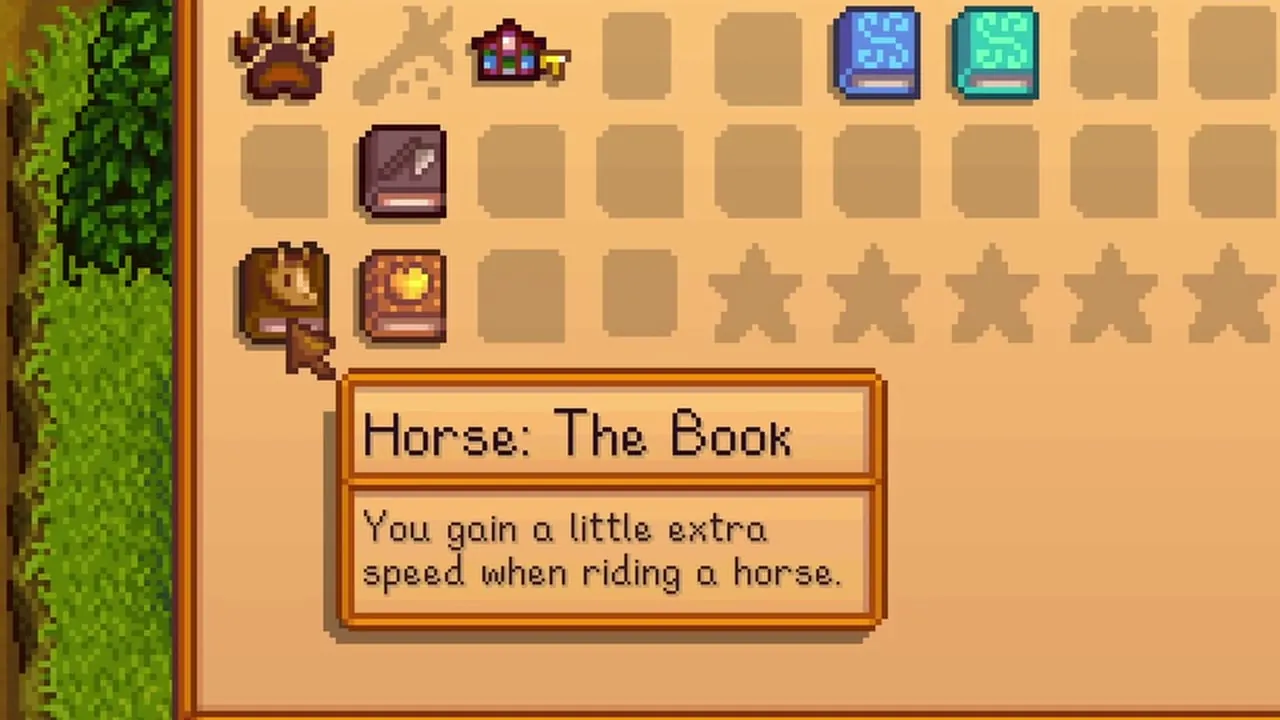
The benefit is convenience: you no longer have to return to where you left your mount. It is different from Horse: The Book, which improves riding speed. Pick upgrades based on the travel you actually do.
43. Prioritize Pressure Nozzles when range matters
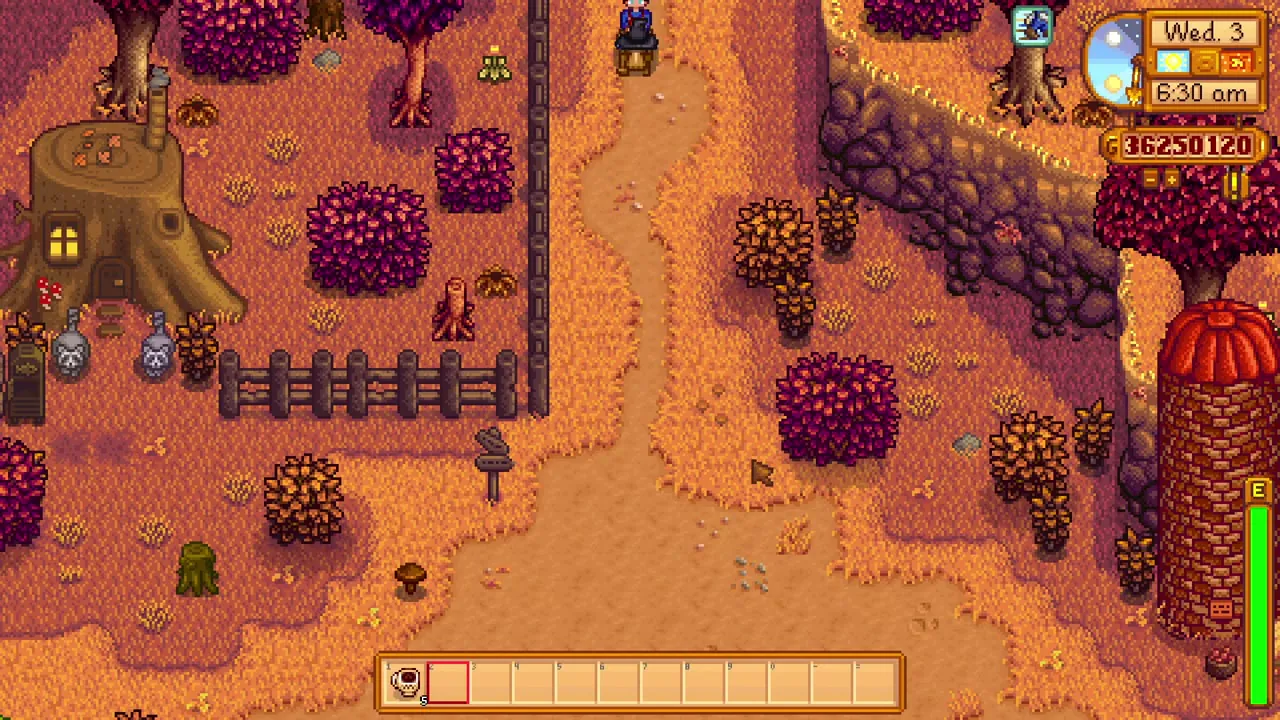
Pressure Nozzles and Enrichers are both sprinkler upgrades, but they solve different problems. Pressure nozzles increase sprinkler range, which saves space, sprinklers, and setup time. Enrichers automatically apply fertilizer when you plant seeds in range, which sounds useful, but is rarely worth prioritizing over pressure nozzles. Buy pressure nozzles first.
44. Use the Key to the Town
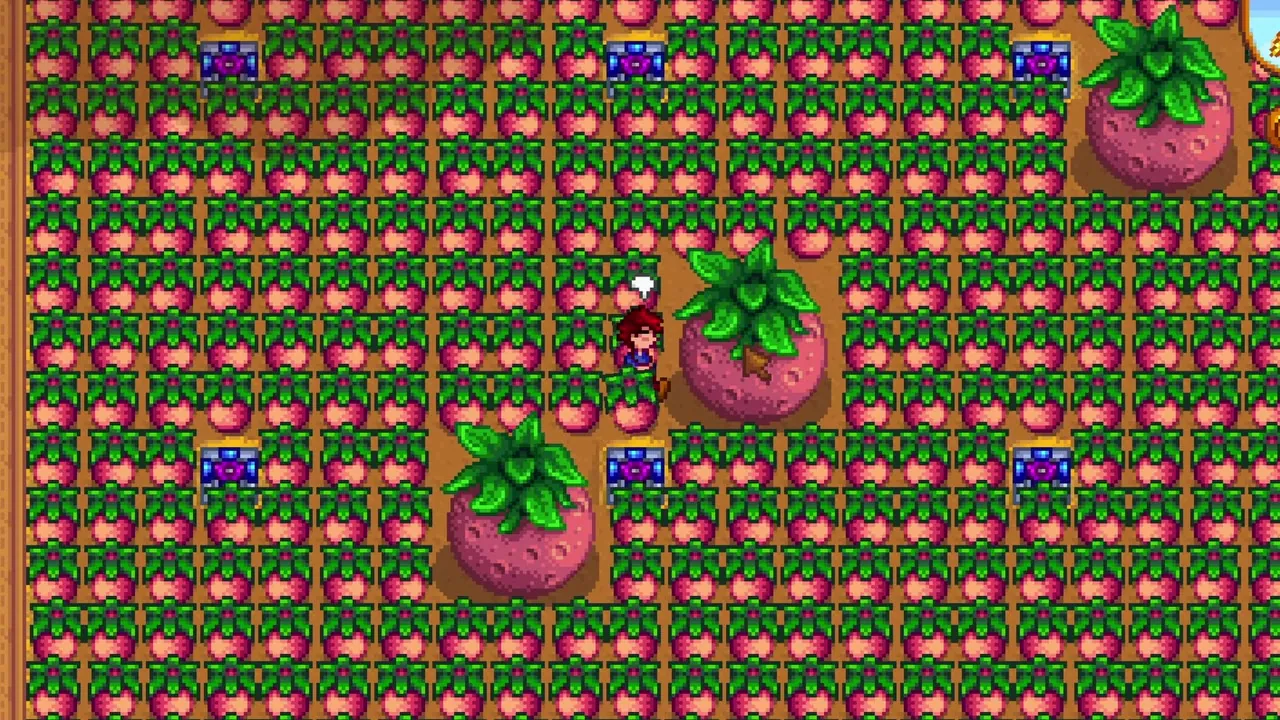
The Key to the Town removes many normal opening-hour restrictions, making gifting and shop visits easier to fit around other plans. It is especially helpful when you repeatedly arrive just before a door opens or just after it closes.
It does not make every service available at every hour. A shopkeeper still needs to be available for their service, and some access rules remain. Treat it as a door-access upgrade rather than a replacement for every schedule.
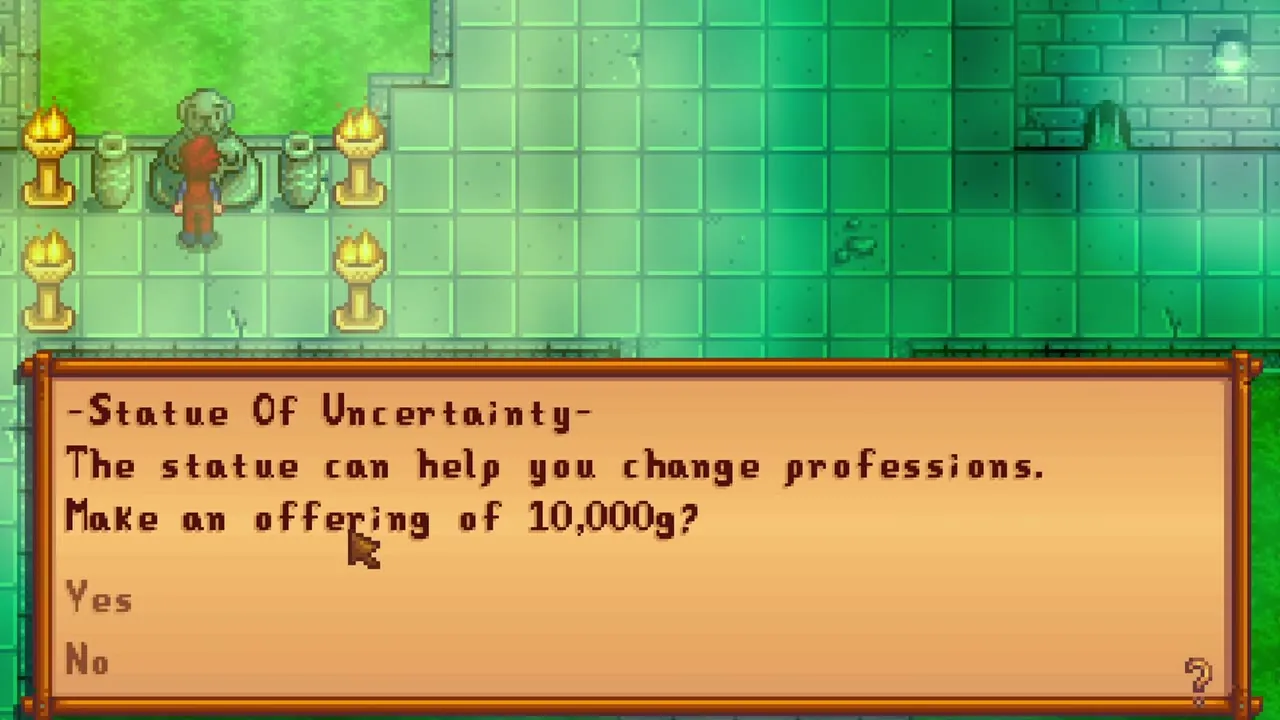
45. Change professions when it pays
The Statue of Uncertainty lets you pay 10,000g to change professions for one skill, with the choices made overnight. It can be worth switching when a large sale or a new long-term activity justifies the fee.
Plan the timing before selling. A small batch of goods may not earn enough extra to cover the cost, so repeated switching is not automatically efficient. Use it to support a real plan rather than changing professions every day.
46. Choose whether to process truffles
With the Botanist profession, truffles become iridium quality. That means you can often sell iridium truffles directly instead of processing every single one into truffle oil, depending on your profession setup and patience. Sometimes the time you save is worth more than the tiny extra optimization. Not every machine needs to be fed forever.
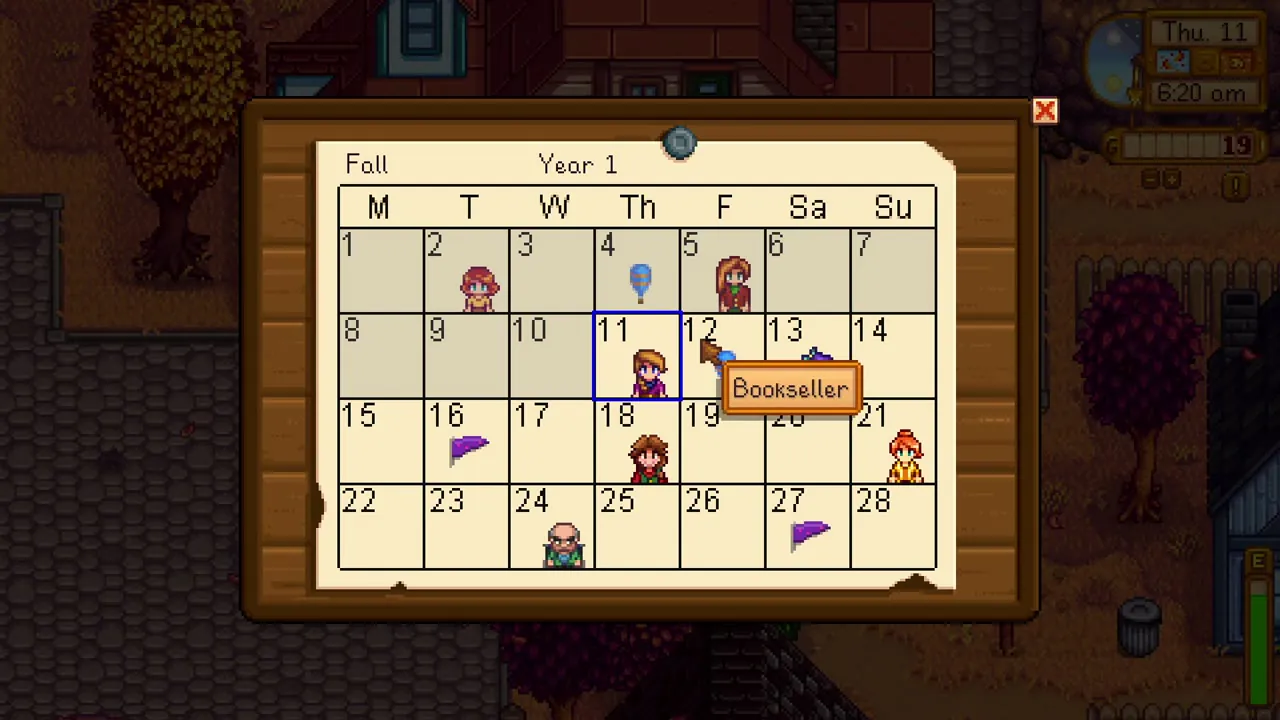
47. Plan loved birthday gifts
If you want friendship fast, stop throwing random gifts at people on random days. Birthdays are massive. An iridium-quality loved gift on a birthday can give a ridiculous amount of friendship. Plan birthday gifts in advance, keep them in a chest, and stop realizing it was someone’s birthday at eleven PM while holding a single piece of sap.
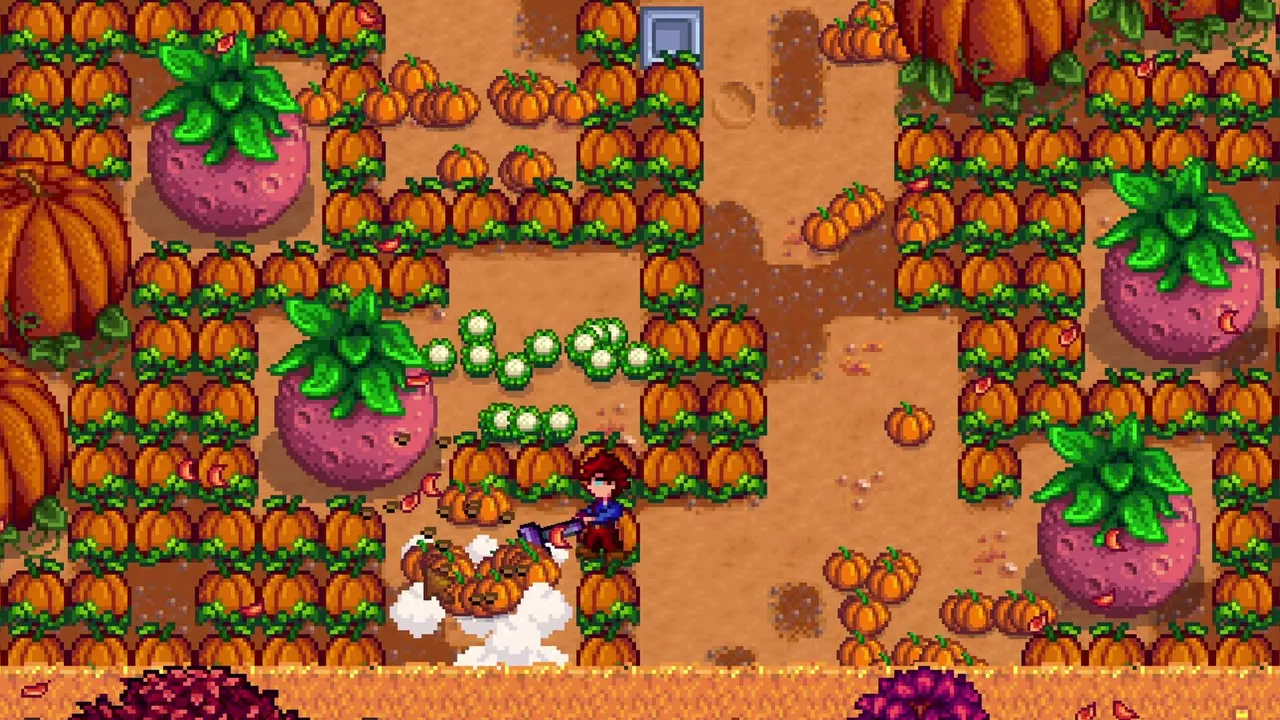
48. Look for Secret Notes in giant crops
Once you have the Magnifying Glass, chopping a giant crop can reveal Secret Notes. It is another source to remember if you already enjoy growing giant cauliflower, melons, or pumpkins.
Giant crops and notes involve chance. Do not assume planting a large field guarantees either one, or that farming giant crops is always faster than getting notes naturally while mining and gathering. Treat it as an extra opportunity, not a mandatory grind.
49. Keep rare fish out of the fridge
This is not a drill. If you put legendary fish in your fridge, the game can use them for cooking. Imagine losing a legendary fish because your farmer wanted sashimi. Put irreplaceable items somewhere safe. The fridge is convenient, but convenience can betray you.
50. Design around your daily route
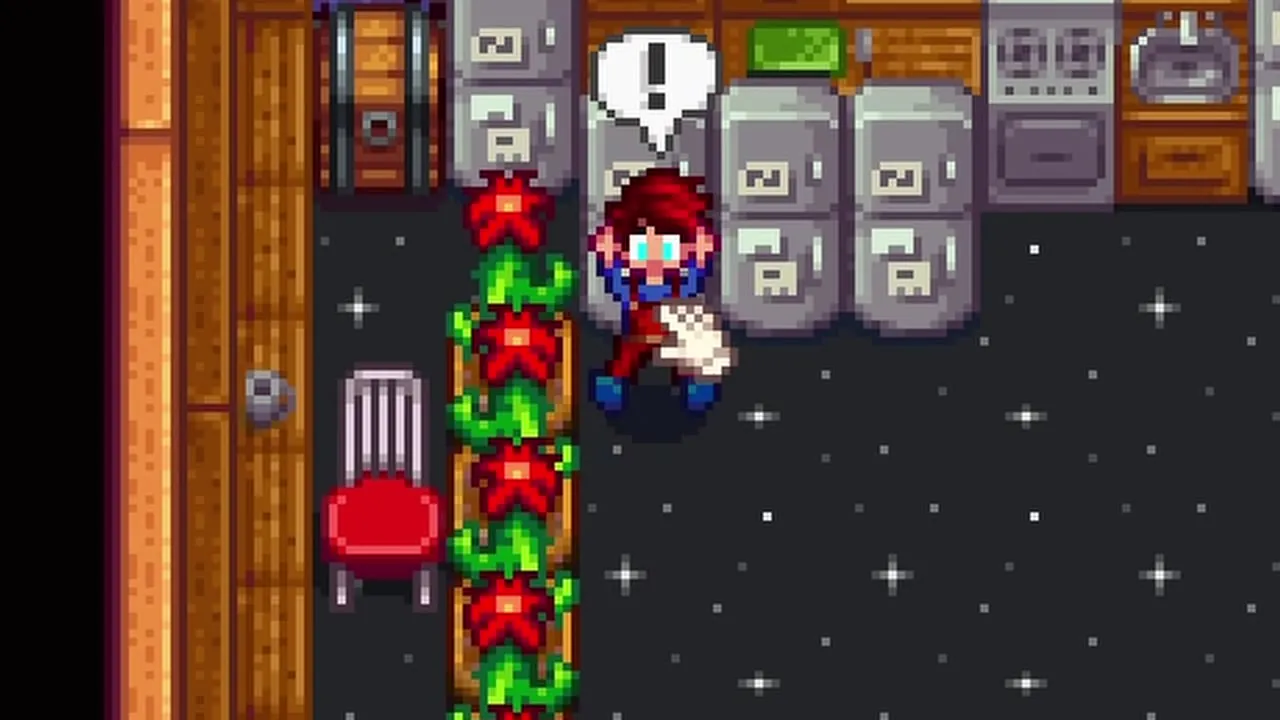
This is the biggest tip in the entire video. Stop designing your farm around what looks fine once. Design it around what you will do one thousand times. Where do you wake up? Where do you run first? Where are your machines? Where are your animals? Where are your warp points? Where are your chests?
Where do you lose time every single morning? If you save five seconds on something you do once, who cares. If you save five seconds on something you do every single day for three in-game years, suddenly that tiny improvement matters. That is the real secret to saving time in Stardew Valley. It is not one magic item.
It is building a farm where every repeated action is easier than it was yesterday.
For a more detailed walkthrough, see my farm layout guide.
Watch the full video

More Stardew Valley guides
- Ultimate Stardew Valley Beginners Guide : Master the Game from Day One
- Stardew Valley Community Center Guide
Mechanics references: Crystalarium, Rain Totem, Deconstructor, Greenhouse.