
Pro Stardew Valley players make progress by preparing for the next bottleneck. They keep supplies ready, connect their daily routes, and choose tasks that fit the weather and their current goals. These are 30 habits from my video that can make your farm easier to run. “Pro” is shorthand for an experienced player who enjoys efficiency; you can use these habits while keeping the game cozy and relaxed.
Watch the companion video on YouTube, or jump to a tip below. The written advice reflects Stardew Valley 1.6; later sections include progression spoilers.
Table of ContentsOpen contents
1. Plan around the day you get
Start with the TV, then make a plan. A good luck day is useful for a prepared Skull Cavern run; a rainy day frees time you would otherwise spend watering. Bad luck does not stop you from progressing, so use those days for building, organizing, or gathering resources.
Check The Queen of Sauce on Sundays for new broadcasts and Wednesdays for reruns you may have missed. Luck affects specific systems such as finding ladders and treasure rooms; it does not improve everything. Geode contents, for example, do not become better on a lucky day.

2. Treat walking as a cost
Pro players treat walking like a tax. Every trip across the farm costs something. It costs time. It costs an opportunity. It costs the will to keep checking on animals that you placed in the farthest corner of your farm because it looked cute in spring of year one. That is why pro players stack movement tools early and often.
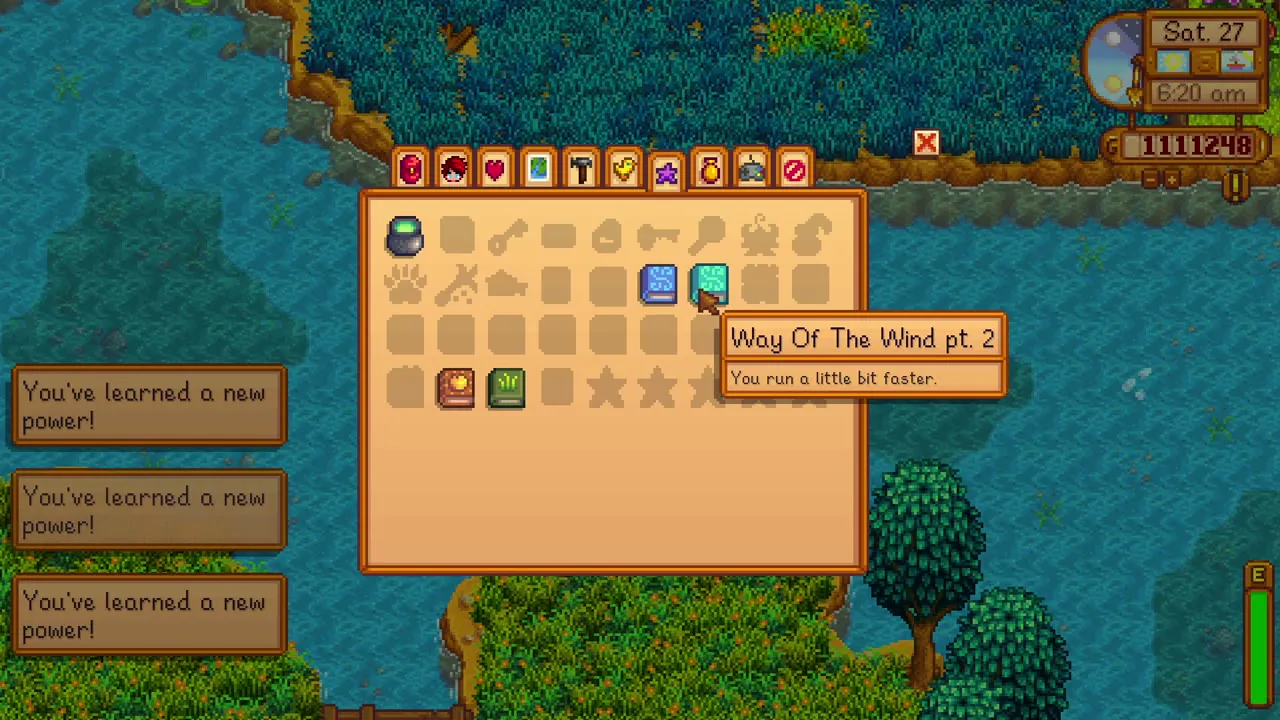
Triple Shot Espresso. Spicy Eel. The stable. Mini obelisks. Warp totems. The Return Scepter. Way of the Wind books. None of these look like money machines by themselves, but they affect every single thing you do. If you move faster, you farm faster. You mine faster. You shop faster. You gift faster. You make fewer sad midnight walks where your farmer passes out two tiles from the bed like an absolute imbecile.
3. Give every chest a job
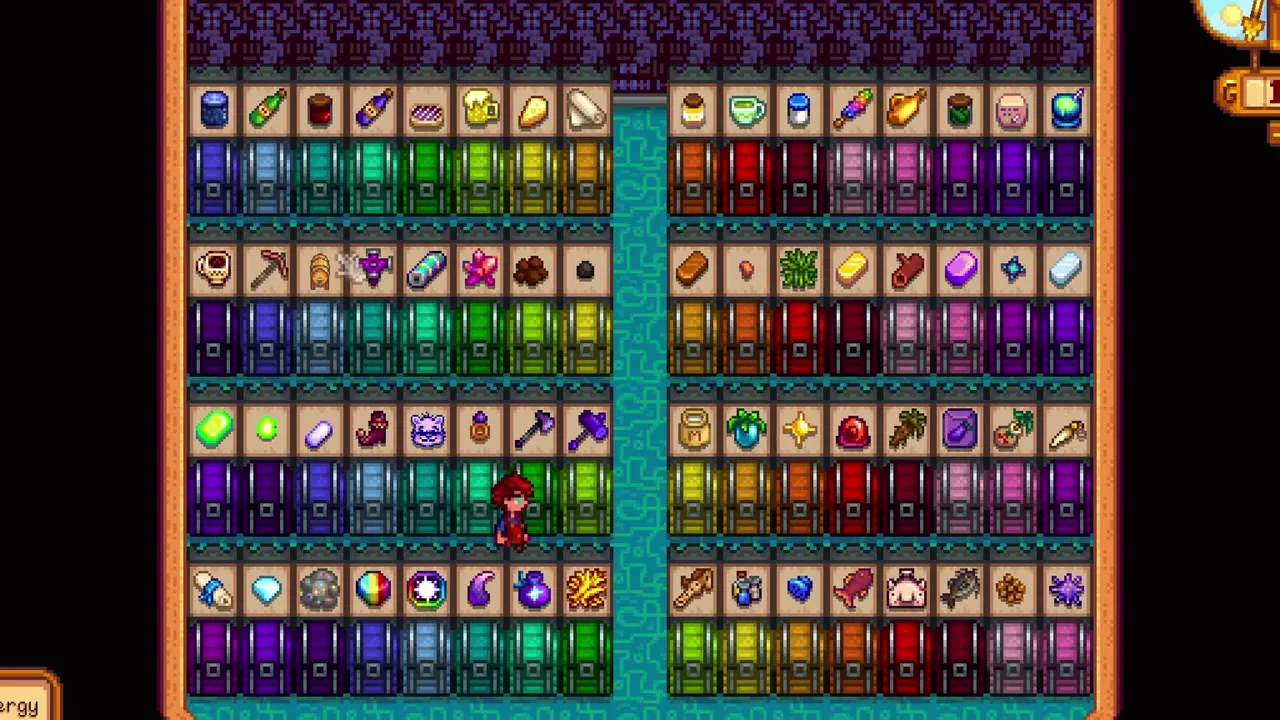
Pro players build chests before they build chaos. Your inventory is tiny, and Stardew Valley loves handing you random objects like it is cleaning out a drawer. New players keep running home. Pro players put chests where problems happen. One near the mines. One near fishing spots. One near machines. One near animals. One near the farm entrance.
One for gifts. One for Community Center items. One for Skull Cavern supplies. The important part is not just having chests. It is having chests with a job. If every chest is named “stuff” in your heart, you have not organized your farm. You have created multiple wooden panic rooms.
4. Check before selling new items
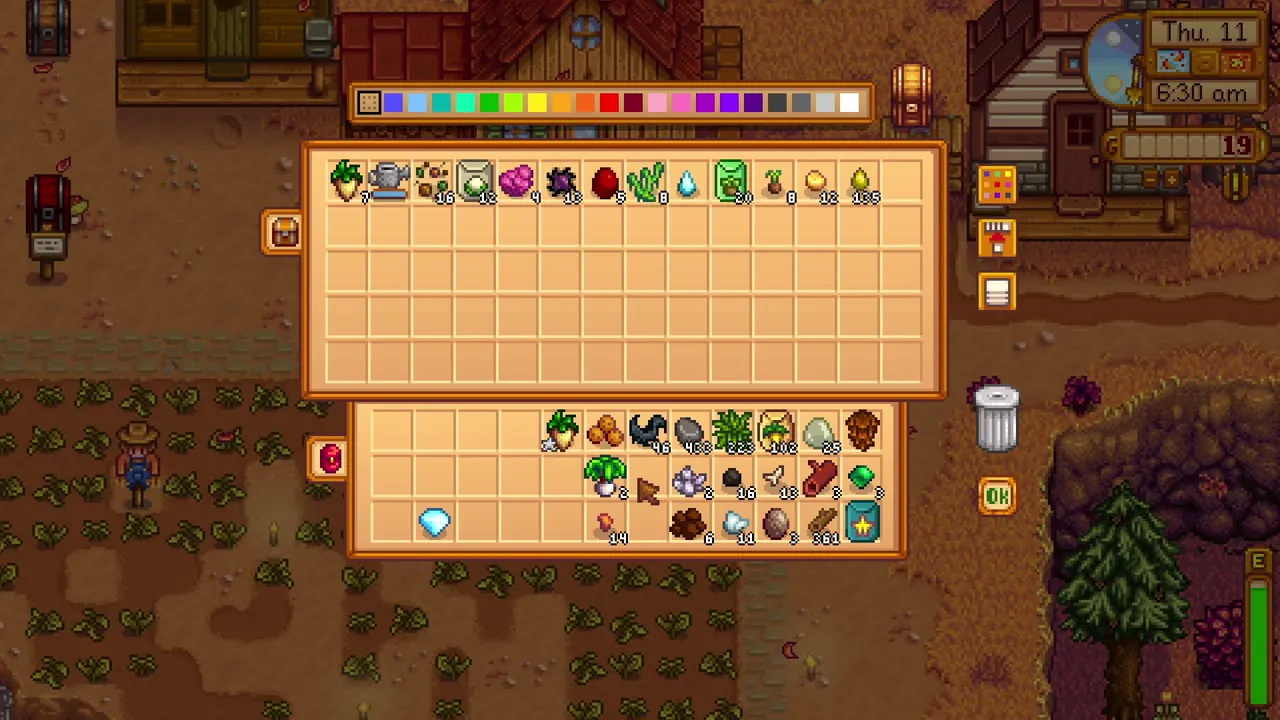
Pro players do not sell new items immediately. They pause. They ask, “Do I need this for a bundle, a quest, a recipe, a gift, a building, a machine, or a future problem I have not emotionally prepared for yet?” That one question saves entire seasons. Because selling a parsnip is fine. Selling the one seasonal item you needed for the Community Center is how you end up waiting a full year because your farmer wanted 40 gold and a quick dopamine hit.
Keep a few of everything early. Especially seasonal crops, fish, forage, gems, animal products, hardwood, battery packs, iridium, and anything weird. Pro players sell from overflow. New players sell from confusion.
5. Plan the next season early
Pro players plan seasons before the season starts. They do not wake up on Spring 1 and think, “What is a crop?” They already know what seeds they want. They know what bundle items they need. They know whether they are chasing money, farming experience, giant crops, friendship, or specific recipes. This matters most at the end of a season.
If a crop takes thirteen days to grow and there are eight days left, that crop is not an investment. That crop is a funeral waiting for the weather. Pro players count days. They use Speed-Gro on purpose. They buy seeds before Pierre can ruin the vibe by closing on Wednesday. They save seasonal seeds for Ginger Island or the greenhouse later.
The calendar is not a decoration. It is the game quietly telling you how it plans to hurt you.
6. Automate before expanding crops
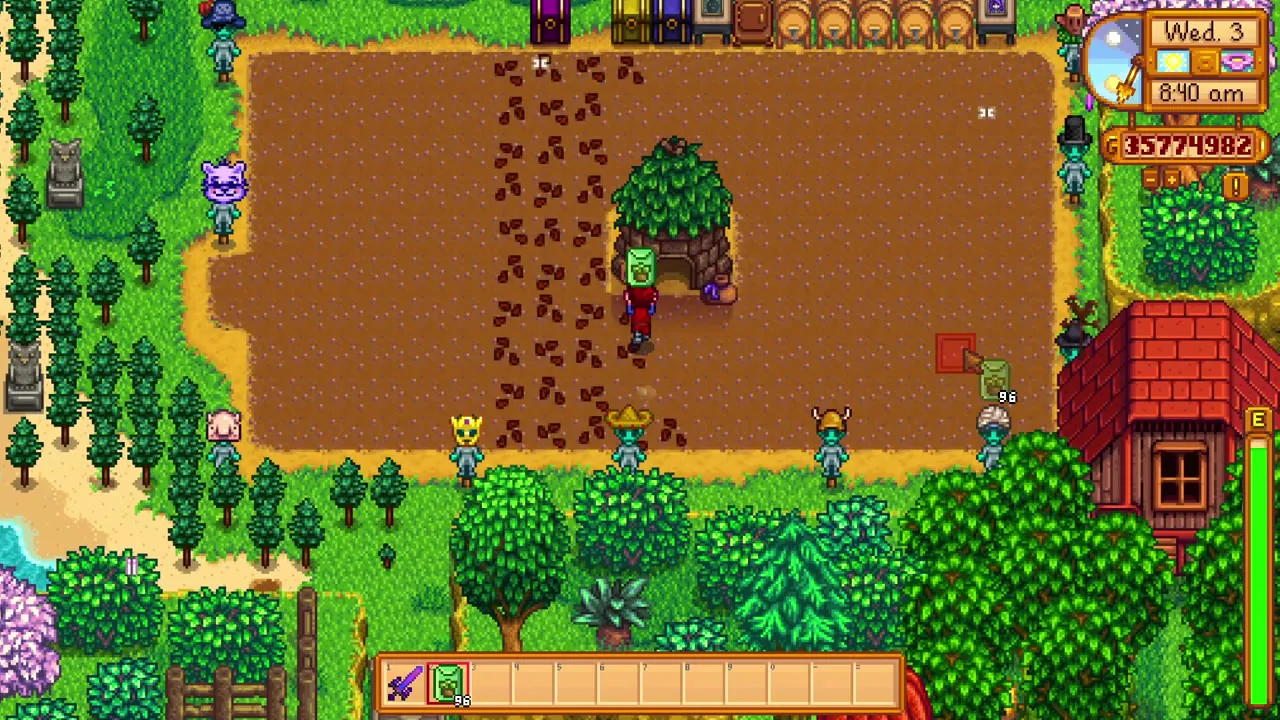
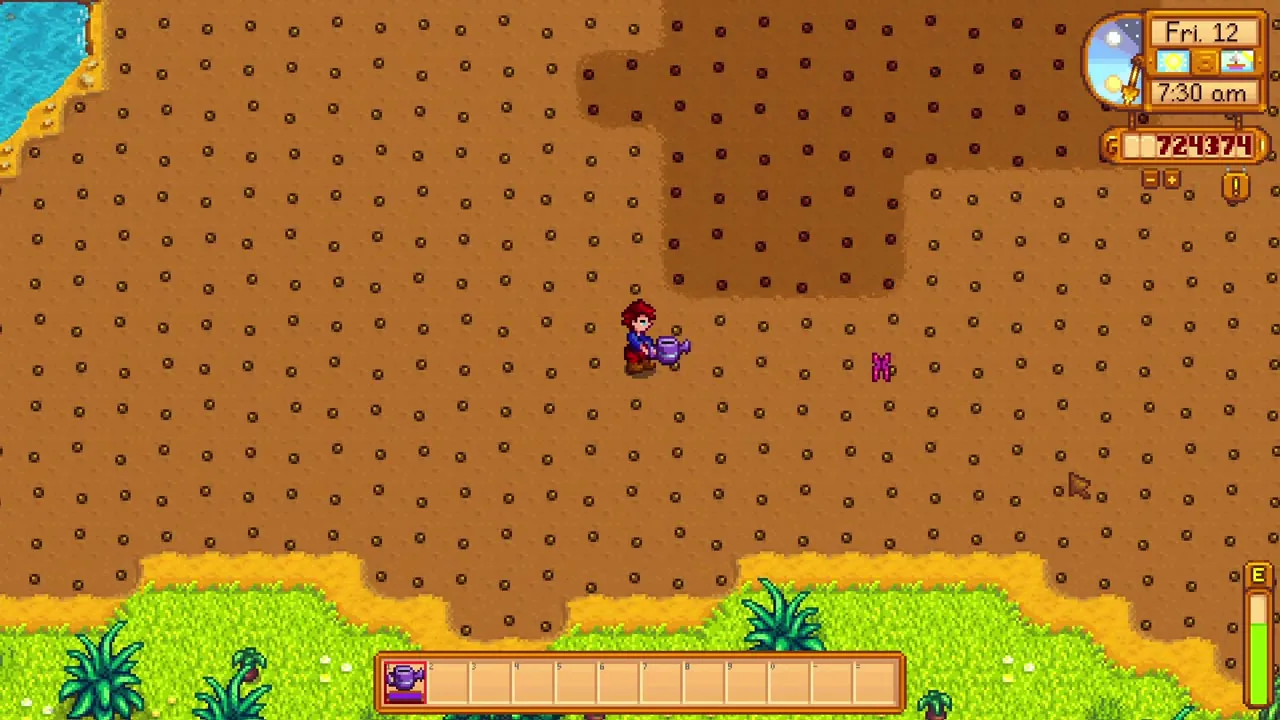
Pro players do not overplant before sprinklers. This is the difference between a farm and a hostage situation. New players spend all their money on seeds, plant a giant field, and then spend the whole morning watering until They have no energy, no time, and no desire to continue being alive in Pelican Town. Pro players plant enough to profit, but not so much that the farm consumes the day.
Then they use the remaining time to mine for copper, iron, and gold. Because the real goal is not watering more crops. The real goal is escaping watering. Quality sprinklers are a turning point. Iridium sprinklers are freedom. Pressure nozzles are what happen when your sprinklers start showing off. If your farm gets bigger before it gets easier, you are not progressing.
You are just increasing the size of the chore.
For a more detailed walkthrough, see my farming guide.
7. Prepare on quiet days
Pro players use bad days to prepare for good days. This is one of the biggest mindset shifts. A Skull Cavern run does not begin when you enter Skull Cavern. It begins on the boring day where you craft bombs. It begins when you duplicate jades. It begins when you cook food. It begins when you move supplies into a chest.
It begins when you buy desert warp totems. It begins when you stop pretending that one spicy eel and confidence is a strategy. Bad luck days are preparation days. Good luck days are execution days. That rhythm makes the entire game smoother. Instead of waking up on a perfect luck day and realizing you have no bombs, no staircases, no food, and no emotional support cheese, you are already ready.
The best players look lucky because they prepared before luck arrived.
8. Turn Jade into staircases
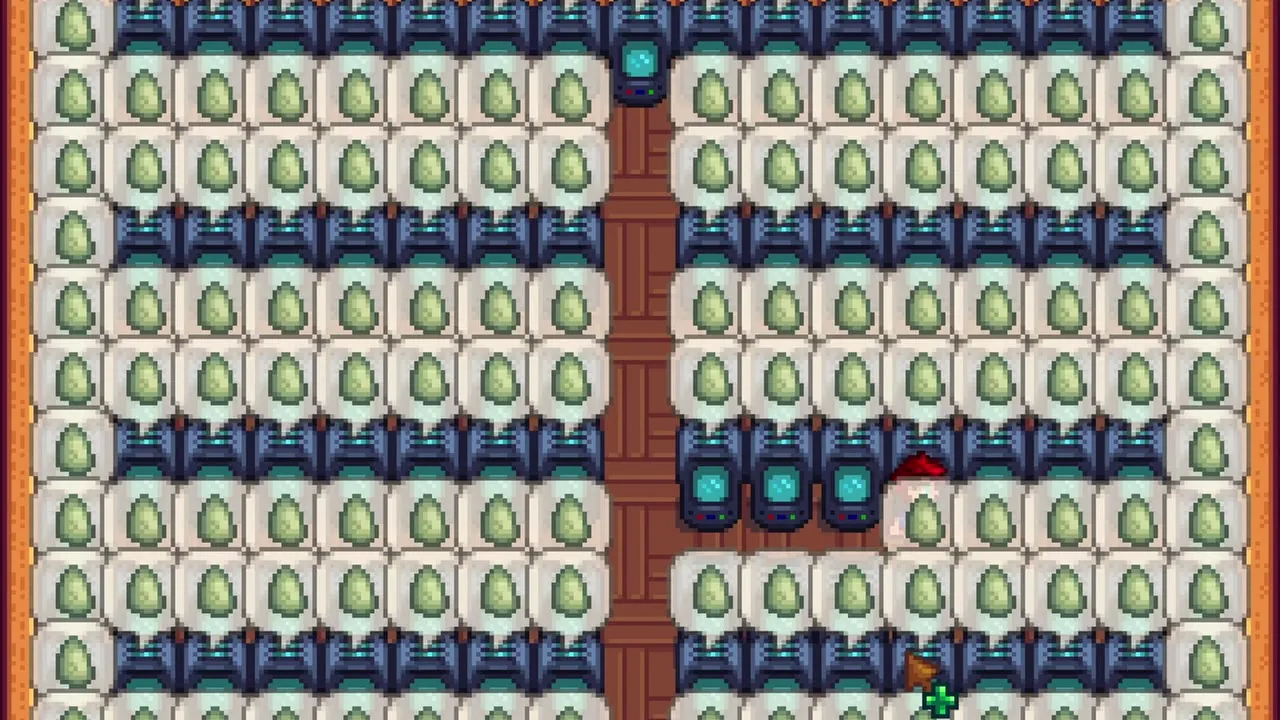
Pro players duplicate jades like they are printing permission slips. Diamonds are good. Diamonds sell for money. Diamonds make villagers like you. Diamonds feel fancy. But jades become staircases. And staircases are how you skip the nonsense. Put jades in crystalariums. Trade them at the Desert Trader on Sundays. Build a staircase stockpile that makes the Skull Cavern look less like a nightmare and more like a slightly aggressive elevator.
This does not mean diamonds are useless. It means pro players understand opportunity cost. Sometimes the thing that sells for less makes you richer because it gives you access to something better. A jade is not a jade. A jade is one floor closer to iridium, treasure rooms, prismatic shards, and the kind of power that makes your old pickaxe feel embarrassed.
9. Treat Skull Cavern as a timed run
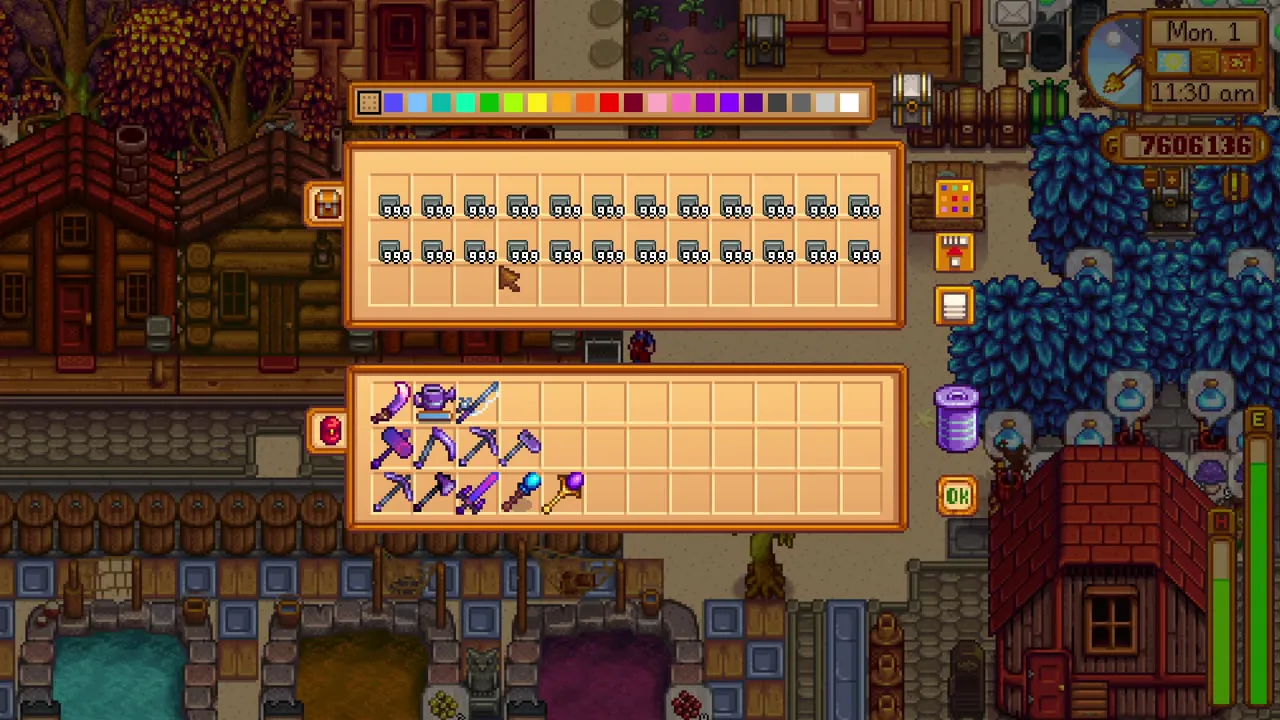
Pro players treat Skull Cavern like a timed mission. New players treat it like the regular mines with worse vibes. That is why they suffer. Pro players go in early. They use desert warp totems instead of waiting for Pam. They bring bombs or explosive ammo. They bring staircases. They bring speed buffs. They bring luck buffs.
They bring healing food that does not overwrite the important buffs. They bring a strong weapon. They know when to fight and when to leave the floor immediately. The point is not to clear every room. The point is to go deep. If the floor is terrible, staircase. If the floor is infested, staircase. If the iridium is right there, blow it up and move.
And if you are deep at 1:40 AM with your pockets full of iridium, passing out is not failure. Sometimes passing out is just fast travel with a fee.
For a more detailed walkthrough, see my Iridium Ore farming guide.
10. Separate healing food and buff food
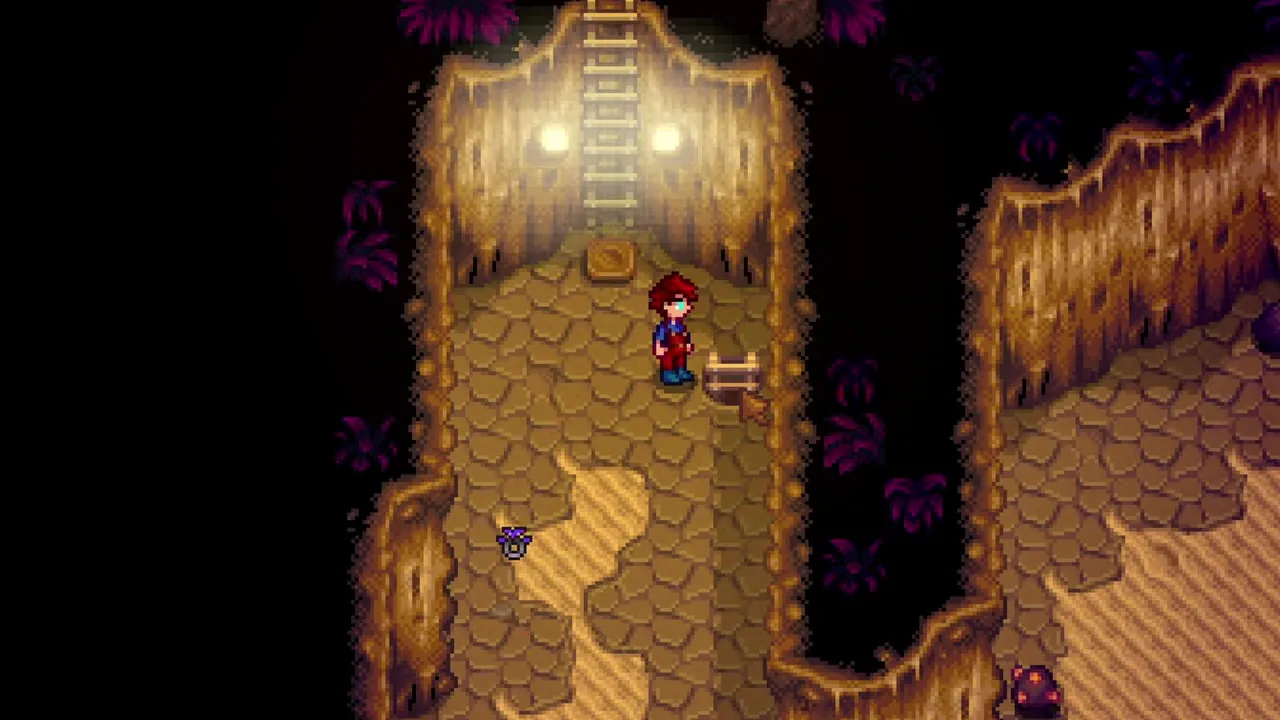
Pro players separate healing food from buff food. This sounds small until you overwrite your perfect Skull Cavern buffs with pancakes. There are foods you eat for stats. Spicy Eel. Lucky Lunch. Seafoam Pudding. Ginger Ale. Triple Shot Espresso. And then there are foods you eat because you are about to die and would prefer not to.
Cheese is great. Salads are fine. Purple mushrooms can work. Anything with good healing and no buff can save you without destroying your setup. Pro players do not panic-eat random meals. They know what each food is for. Because in Stardew Valley, eating the wrong snack can turn a perfect run into a very slow educational experience.
For a more detailed walkthrough, see my ring recommendations.
11. Design for repeated actions
Pro players build their farm around repeated actions. This is the secret behind farms that feel good to play. It is not just beauty. It is flow. Where do you wake up? Where do you go first? Where are your animals? Where are your machines? Where are your chests? Where are your warp points? Where do you dump items after mining?
Where do you collect artisan goods? New players design farms for screenshots. Pro players design farms for the thousandth morning. That does not mean the farm has to be ugly. It means beauty should not make you walk a marathon before breakfast. If you save five seconds on something you do every day, that becomes enormous over time.
The best farm layout is not the one that looks perfect once. It is the one that feels painless forever.
12. Move inconvenient buildings
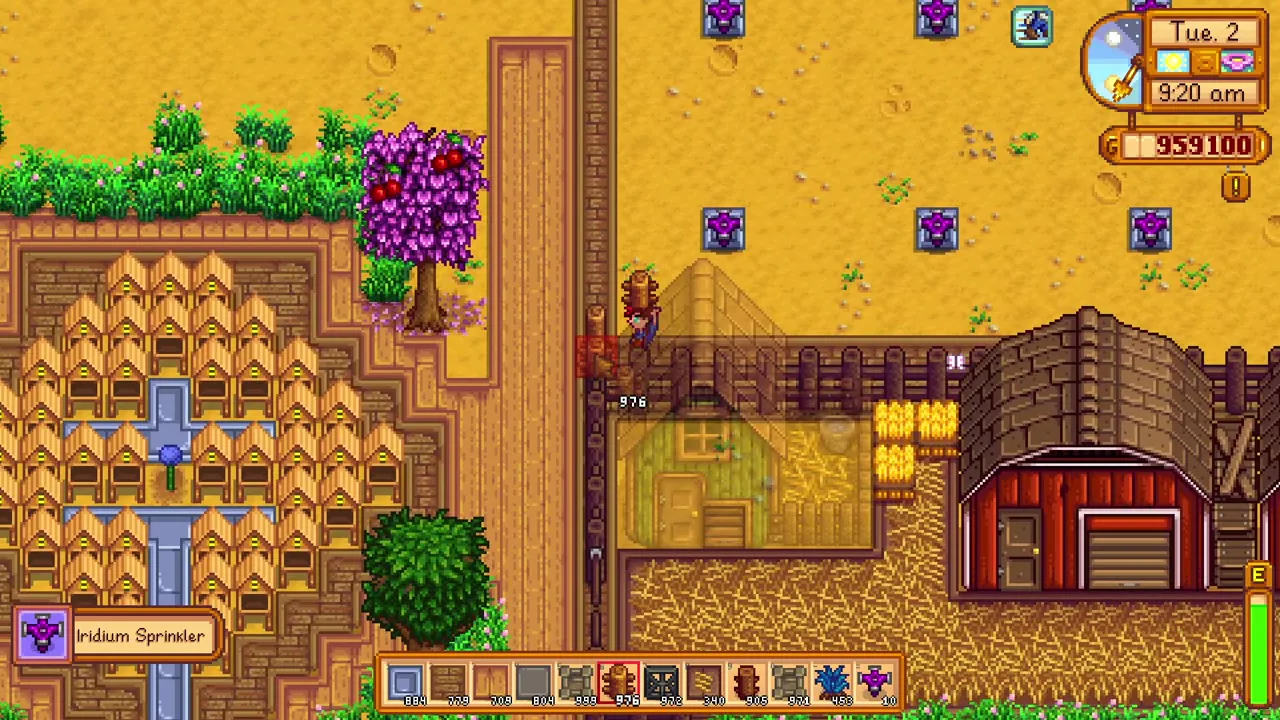
Pro players move buildings. This sounds obvious, but so many players unlock the greenhouse, barns, coops, sheds, or shipping bins and just accept their original positions like Robin carved them into law. She did not. Move them. Move the greenhouse closer to your house. Move animal buildings closer to your morning route. Move sheds near the crops they process.
Move shipping bins where you actually sell things. Your farm is not frozen. It is allowed to evolve. If a building forces you to walk somewhere annoying every single day, that building is stealing your life in tiny installments. Pro players do not tolerate inconvenient architecture. They go to Robin and make the map behave.
13. Organize sheds for production
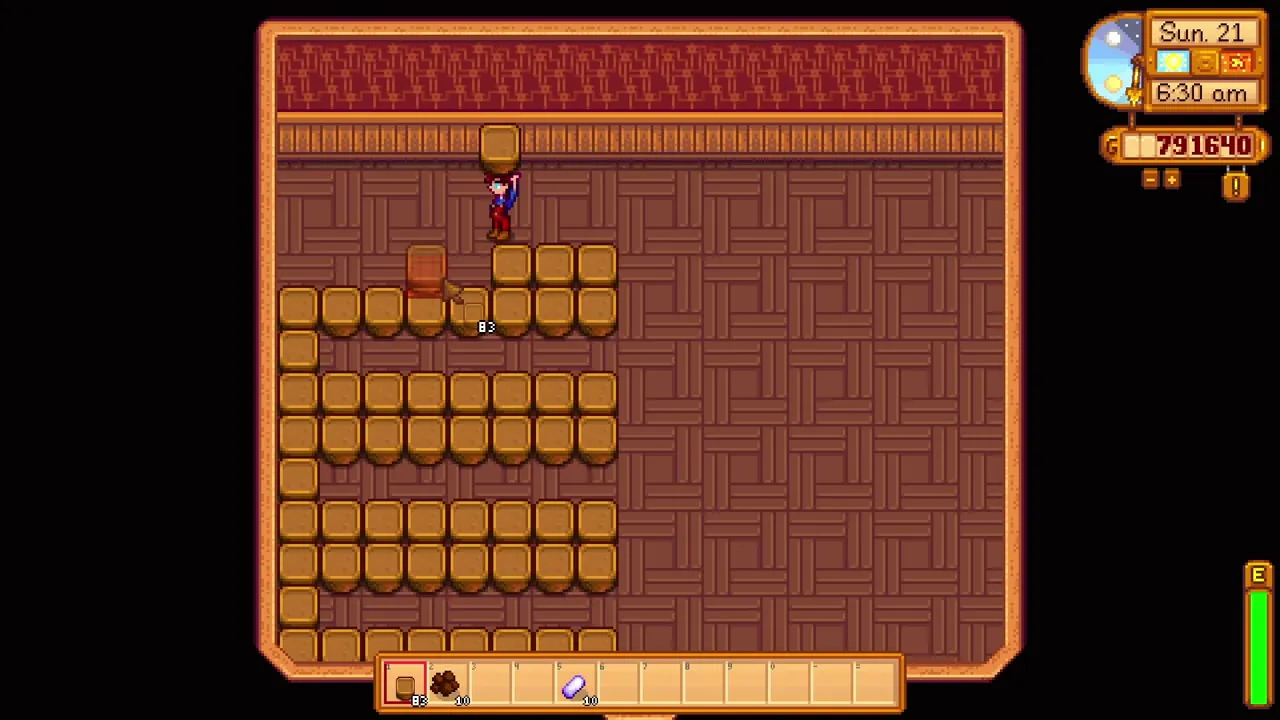
Pro players make sheds into engines. New players see a shed and think, “That could be a cozy little room.” Pro players see a shed and think, “That could hold an unreasonable number of kegs.” Sheds are not just decoration. They are compression. They let you turn a small footprint on your farm into a giant processing room full of kegs, Preserves Jars, furnaces, crystalariums, garden pots, or whatever your current scheme requires.
The trick is making them easy to use. Place machines in clean patterns. Leave walkways. Put one machine outside the shed as a timer so you know when the inside machines are ready. A shed should not feel like a storage closet where ambition went to die. It should feel like a factory politely pretending to be a building.
The outside timer only matches machines loaded with the same product at the same time.
14. Tap oak trees before you need kegs
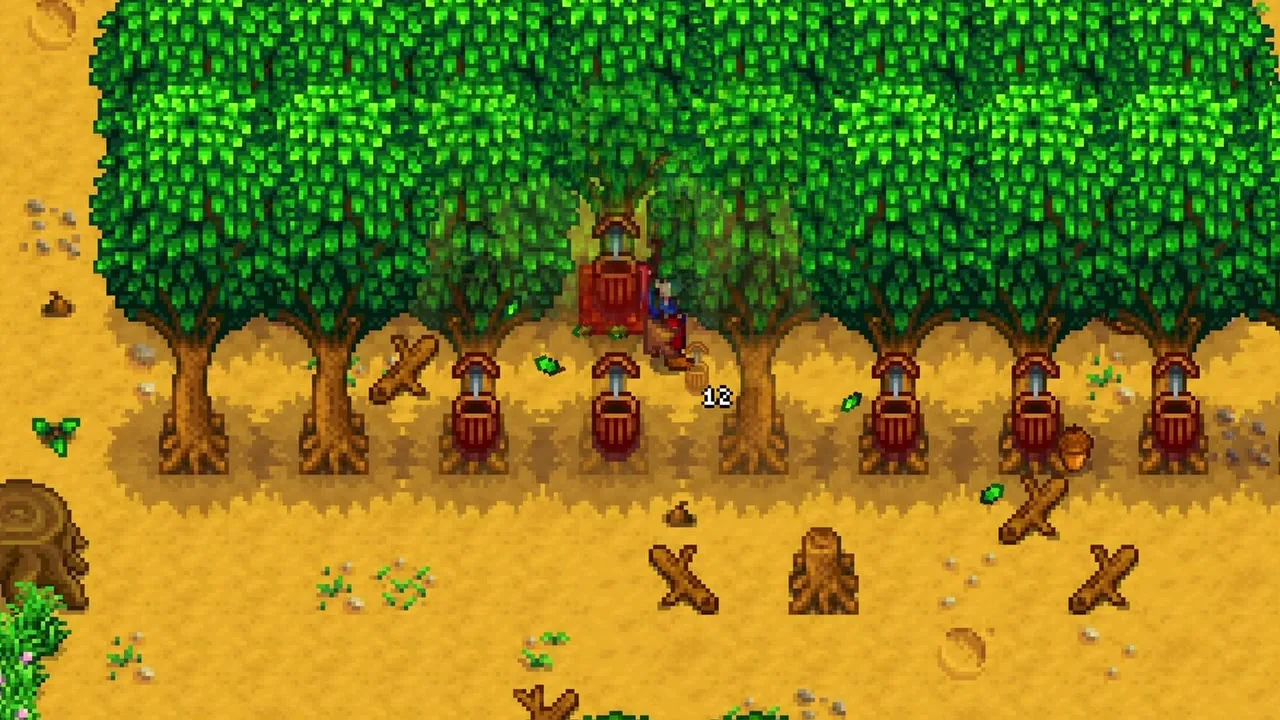
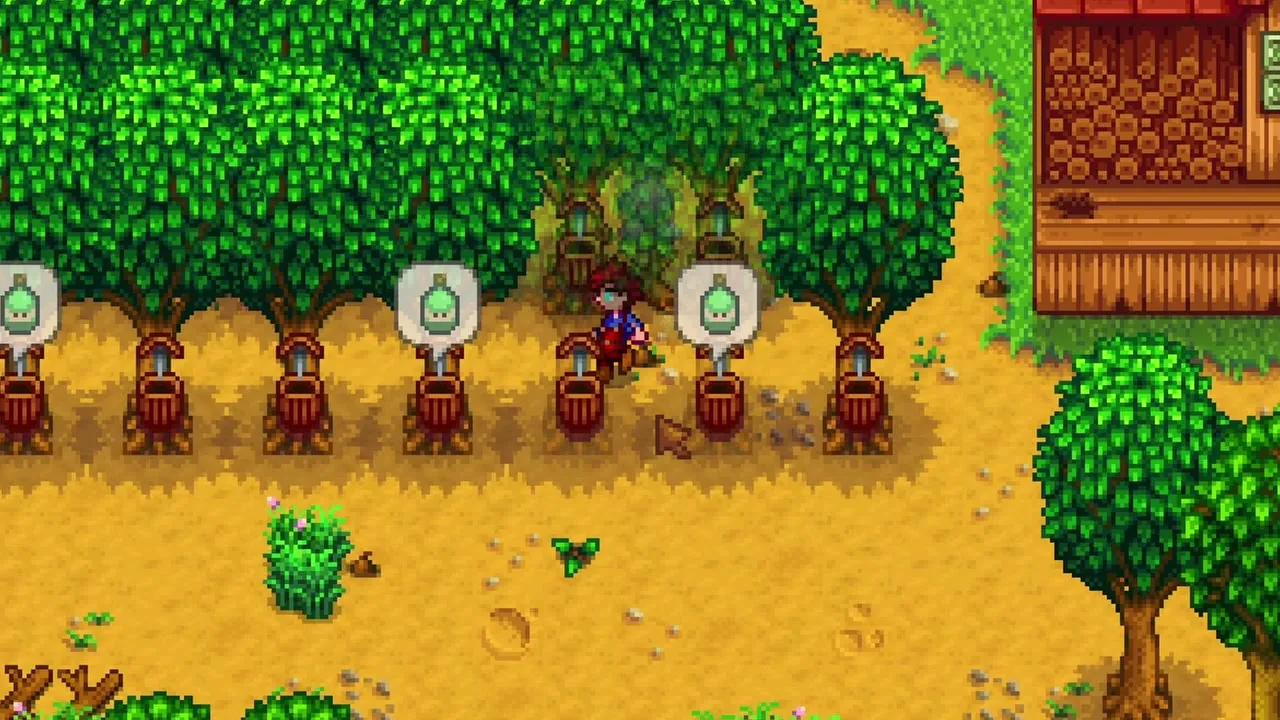
Pro players tap oak trees before they need oak resin. Everyone wants kegs. Nobody wants to admit that oak resin is the boring little resource quietly controlling their wine empire. Wood can be chopped. Ore can be mined. Money can be earned. Oak resin takes time. So pro players start early. They plant oak trees.
They tap them. They create a supply before keg crafting becomes urgent. Because if you unlock kegs and have no oak resin, your ancient fruit empire becomes a waiting room. And nothing feels worse than having the fruit, having the plan, having the greed, and then realizing one tree liquid is holding the entire operation hostage.
15. Match crops to machine capacity
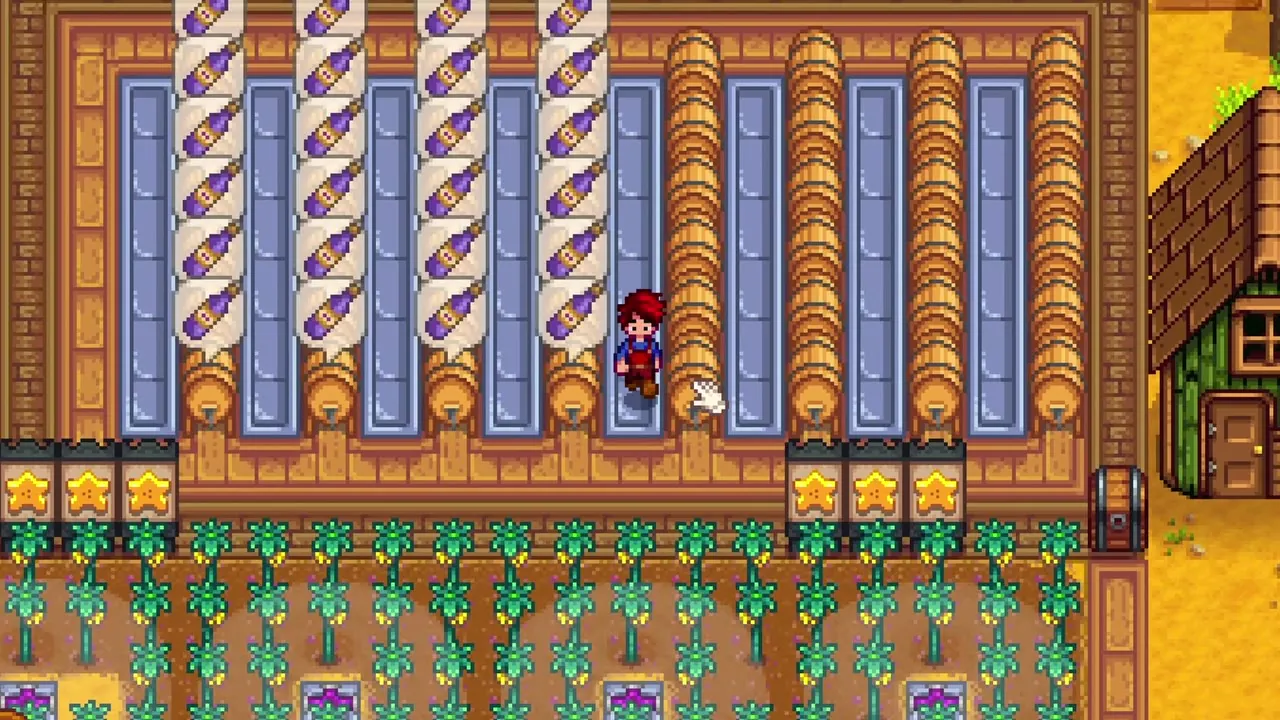
Pro players match crops to machines. They do not just grow a mountain of fruit and then hope twelve kegs can emotionally handle it. If you grow more than you can process, you create chest clutter. That chest clutter might be valuable eventually, but until it is processed or sold, it is imaginary money wearing a fruit costume.
High-value fruits usually love kegs. Lower-value crops can be great in Preserves Jars. Mushrooms may be better handled differently depending on your setup. Hops are powerful but annoying if you have to harvest and keg them constantly. Pro players think about the whole chain. Seed. Growth. Harvest. Processing. Selling. Repeating. The harvest is not the end.
The harvest is the middle.
16. Give the greenhouse a purpose
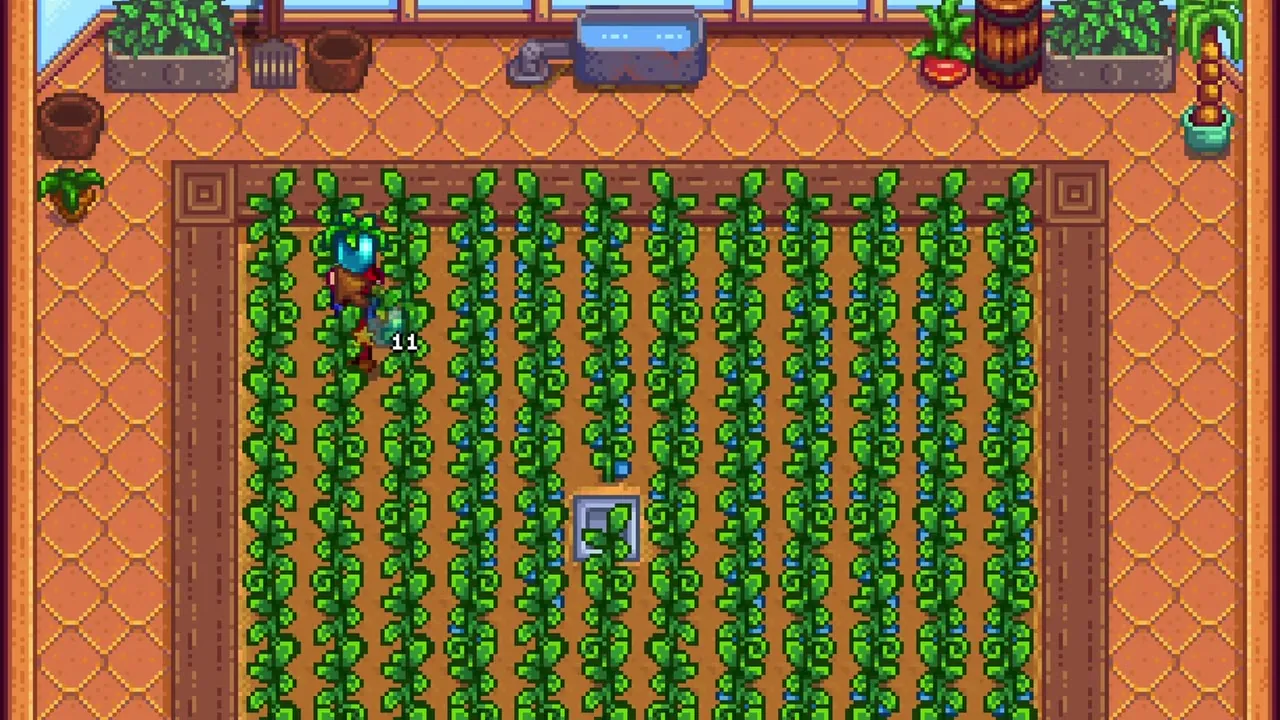
Pro players use the greenhouse like sacred ground. The greenhouse ignores seasons. That makes it one of the most powerful spaces in the entire game. New players fill it with random leftovers. Pro players turn it into a permanent money engine. Ancient fruit is the classic lazy option because it regrows forever. Starfruit can be amazing if you want higher effort, higher value.
Coffee can support speed. Rare seeds can be controlled. Fruit trees can grow around the edges and produce all year. And if the greenhouse is too far away, pro players move it. The greenhouse should not be a place you remember sometimes. It should be a central part of the farm’s economy. Winter may shut down your fields.
It does not get to touch the greenhouse.
For a more detailed walkthrough, see my crop guide.
17. Use Ginger Island for year-round production
Pro players turn Ginger Island into a machine. New players unlock Ginger Island and treat it like a vacation. That is adorable. Pro players look at Ginger Island and see year-round farming, fairy rose honey, banana trees, starfruit, ancient fruit, pineapples, walnut routes, Qi quests, volcano resources, and a massive pile of opportunity. The island has no normal seasons.
That is absurd. You can grow crops there forever. You can set up bee houses around fairy roses and produce expensive honey again and again. You can use the farm as a second greenhouse with less glass and more parrots. The island is not just extra content. It is where your farm stops obeying the calendar.
And once you stop obeying the calendar, money gets very silly.
18. Stockpile the next unlock’s materials
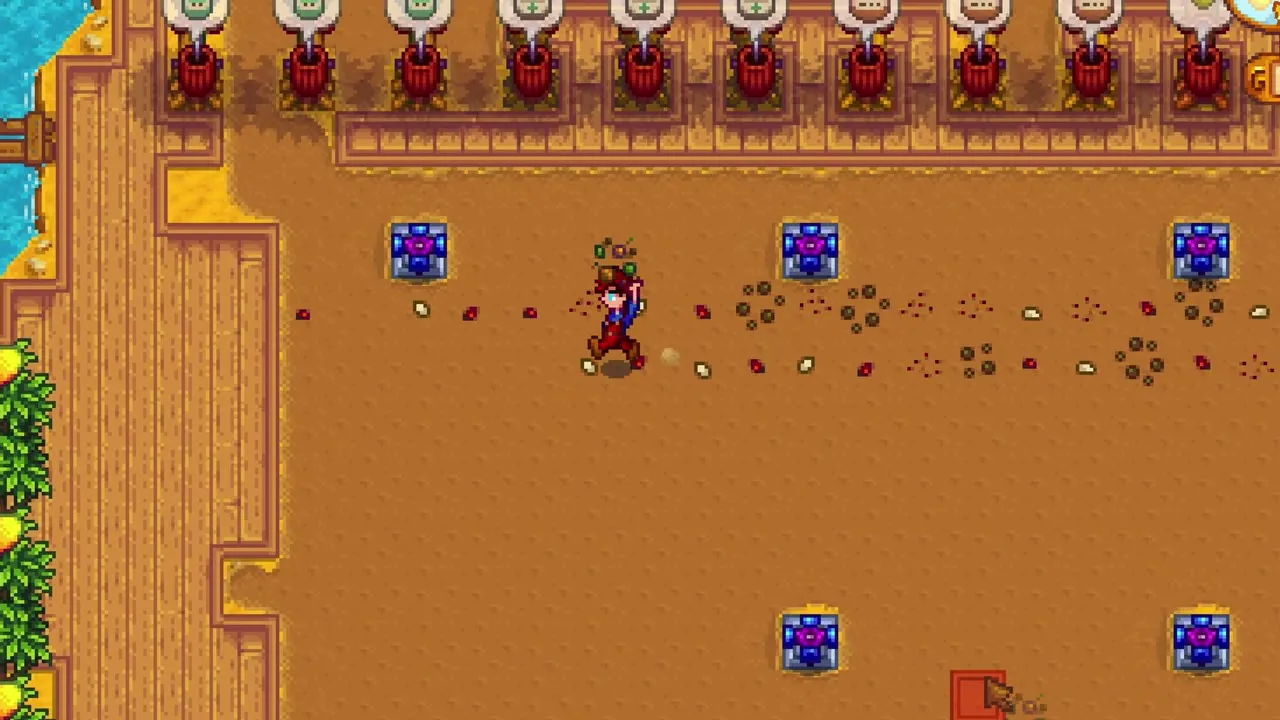
Keep a reserve of materials for the next milestone: hardwood, Battery Packs, Iridium Bars, and other items that take time to replace. Before boat repairs or a large machine build, check the requirements and compare them with what is already in storage.
Prepare Lightning Rods before storms instead of waiting until you need batteries. The old Rain Totem trick that chained thunderstorms was fixed in 1.6, so do not build your battery plan around it. Preparation is more reliable than reacting to a shortage.
19. Review your professions
Professions should support the way your farm earns money. Artisan helps processed goods; Botanist gives maximum-quality forage; fishing professions support different fishing goals. Reconsider your choices when your main activity changes.
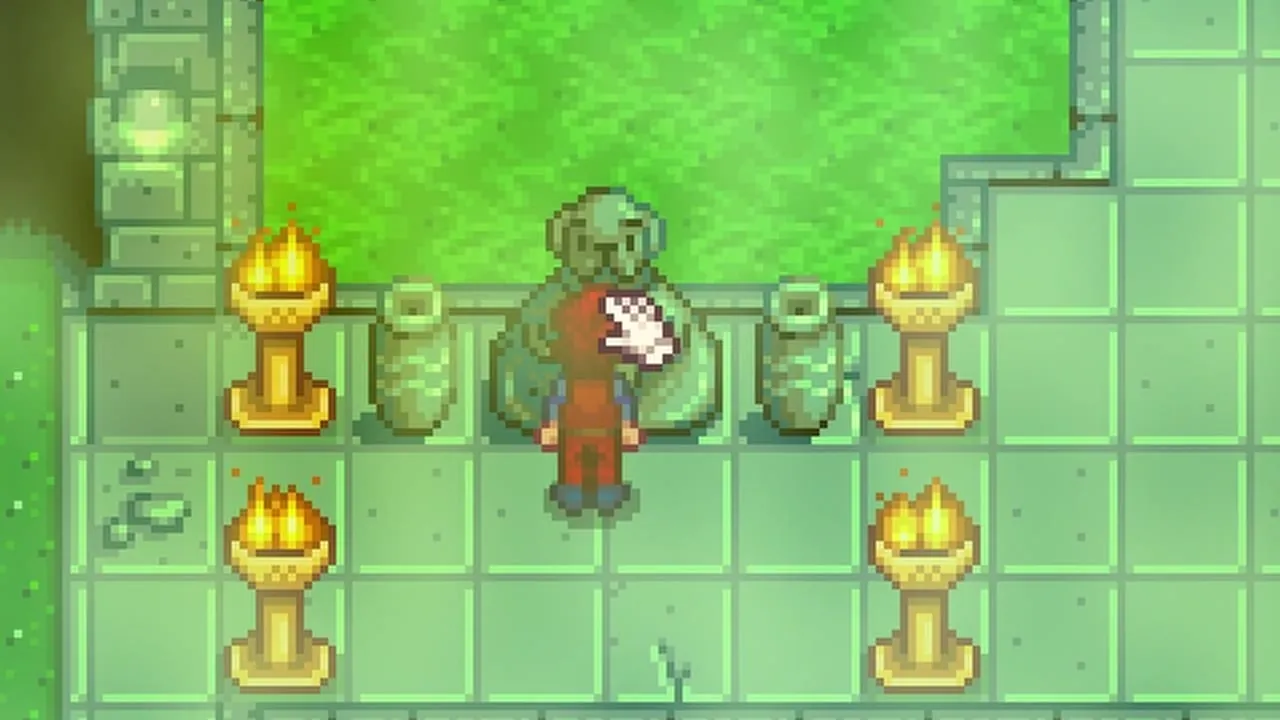
At the Statue of Uncertainty, changing one skill costs 10,000g and takes effect through the overnight profession choices. Make sure the expected benefit covers that cost, and wait until the intended profession is active before making a major sale.
20. Make birthdays count
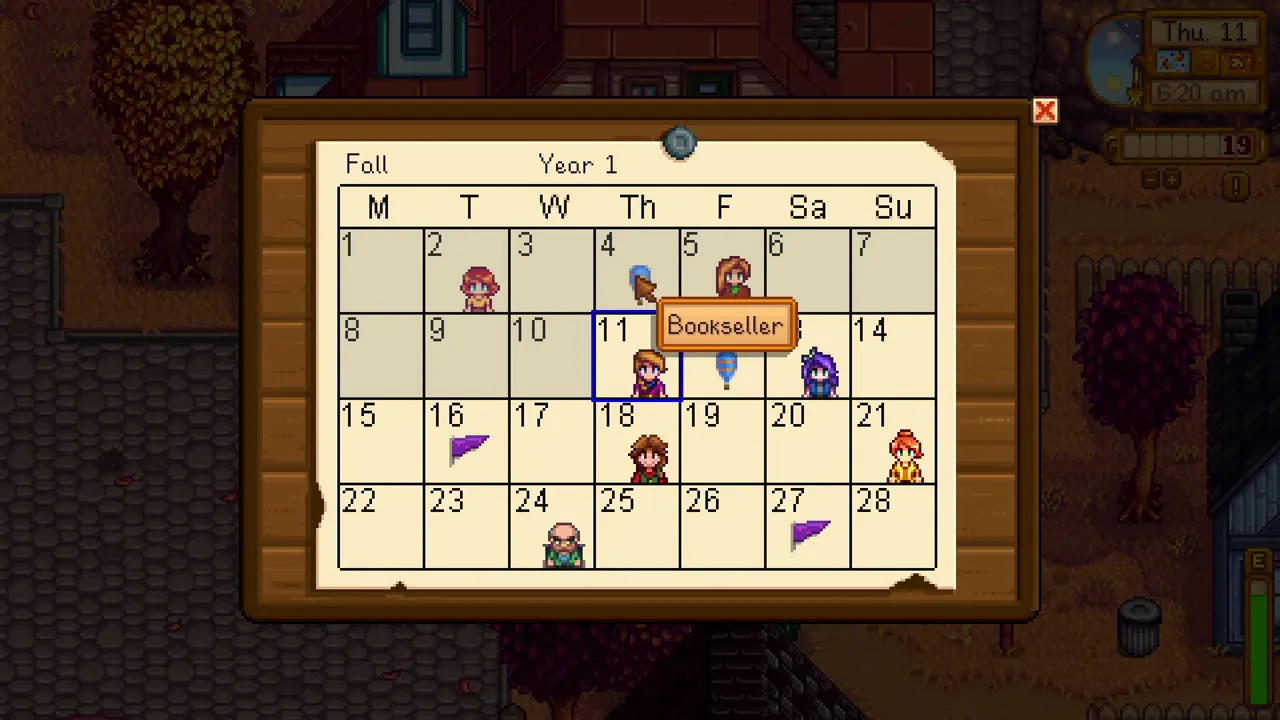
Pro players do not ignore birthdays. Friendship is slow if you treat it randomly. Friendship is ridiculous if you use birthdays properly. A loved birthday gift gives a massive boost. High quality makes it even better. That means one good birthday gift can do the work of many normal gifts. Pro players keep a gift chest.
They keep a calendar near the bed. They stockpile universal loves or easy loved gifts. Later, they use rabbit’s feet because almost everyone loves them and it turns friendship into a very strange foot-based economy. You do not need to talk to every villager every day like you are running for mayor. Just stop missing the most valuable days.
Penny is the exception: she hates Rabbit’s Feet.
21. Build a Workbench station
Pro players use the workbench. The workbench does not look exciting. It is not shiny. It does not explode. It does not make wine. But it can pull crafting materials from nearby chests, which means you can build one proper crafting station instead of opening six different chests while muttering at your own organization system.
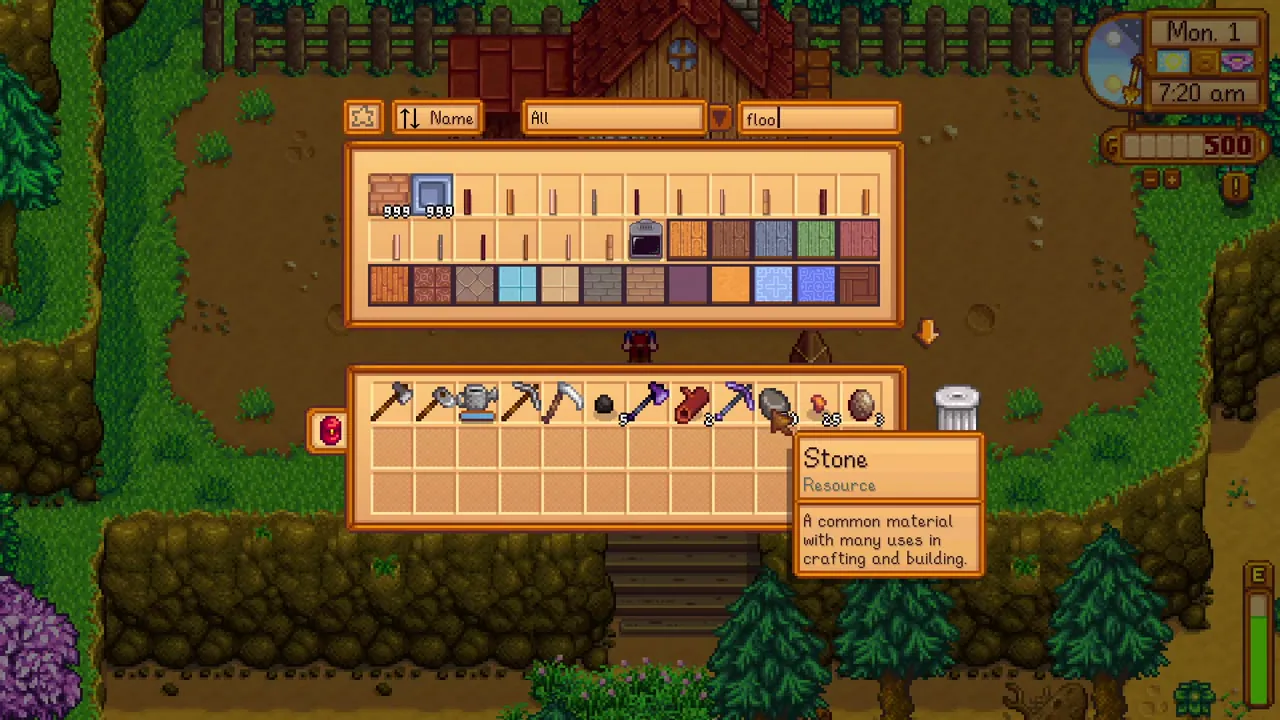
Put a workbench down. Surround it with resource chests. Keep wood, stone, fiber, ore, bars, coal, sap, clay, monster loot, and weird crafting items nearby. Suddenly crafting becomes painless. And painless crafting means you are more likely to actually make the things you need. Pro players remove friction wherever they can. The workbench is pure friction removal.
22. Use Deconstructors late in the game
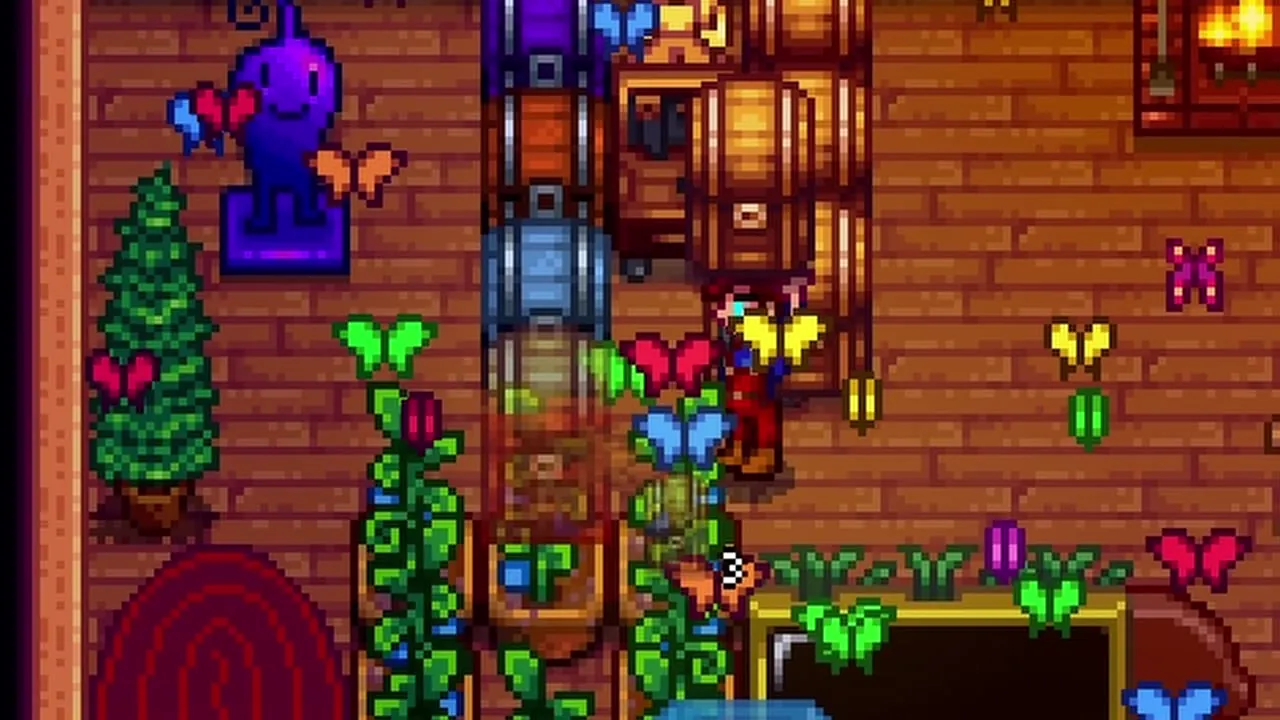
Pro players use deconstructors late game. The deconstructor is one of those items that does not look insane until you understand what it really means. It lets you turn certain crafted items back into ingredients. That means late-game players can use money, shops, and recipes to convert one resource into another in strange and useful ways.
Staircases can become stone. Other crafted items can become annoying materials you do not want to farm manually. This is not always an early-game priority. But once you are rich, the deconstructor lets you solve resource problems with systems instead of suffering. New players grind everything by hand forever. Pro players ask, “Can I make the game give this to me in a more ridiculous way?” And sometimes the answer is yes.
23. Choose safe spaces for machines
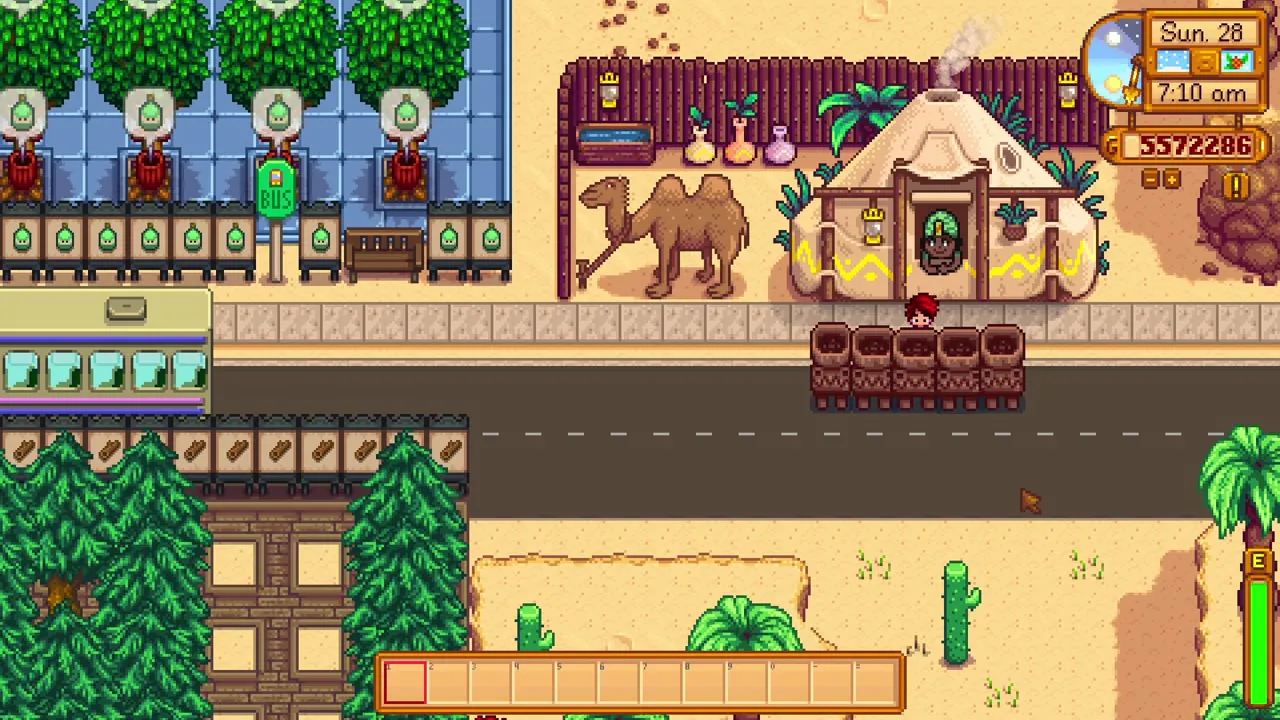
Some outdoor locations can hold machines and chests, freeing space on your farm. The tunnel, quarry, and other suitable permanent areas can support useful setups. Check NPC routes and the rules for that location before committing expensive machines.
Do not use generated mine floors as permanent storage. Their layouts reset. The mine entrance is different from the generated floors below it, but still needs careful placement. Test a location with something inexpensive before moving an entire production line there.
24. Plan around rain and storms
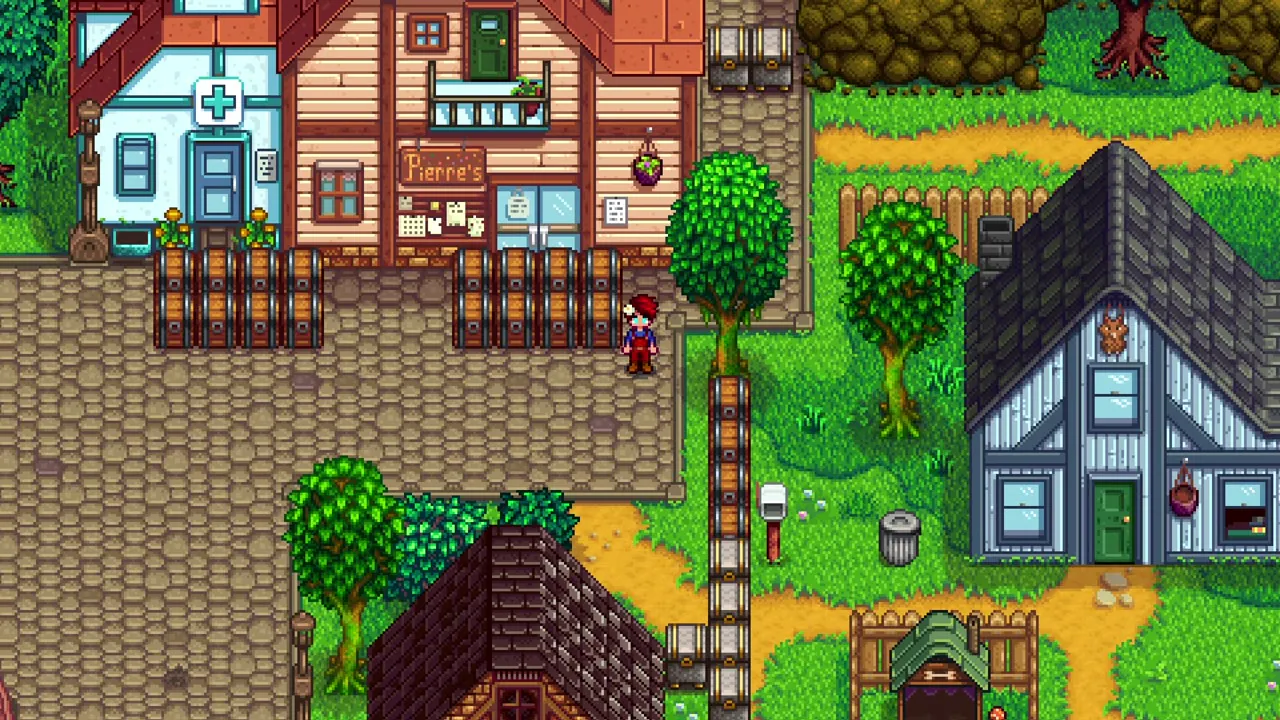
Use the weather forecast when planning tool upgrades and rain-only fish. Water crops before handing over the watering can, let tomorrow’s rain cover the missing day, then collect the upgraded tool when it is ready. Check festivals and shop access too.
Storms can charge Lightning Rods, but Rain Totems do not chain thunderstorms in 1.6. Use them for rain, not guaranteed batteries. Build rods before natural storms and consider Solar Panels later when you want another battery source.
25. Keep dedicated activity kits
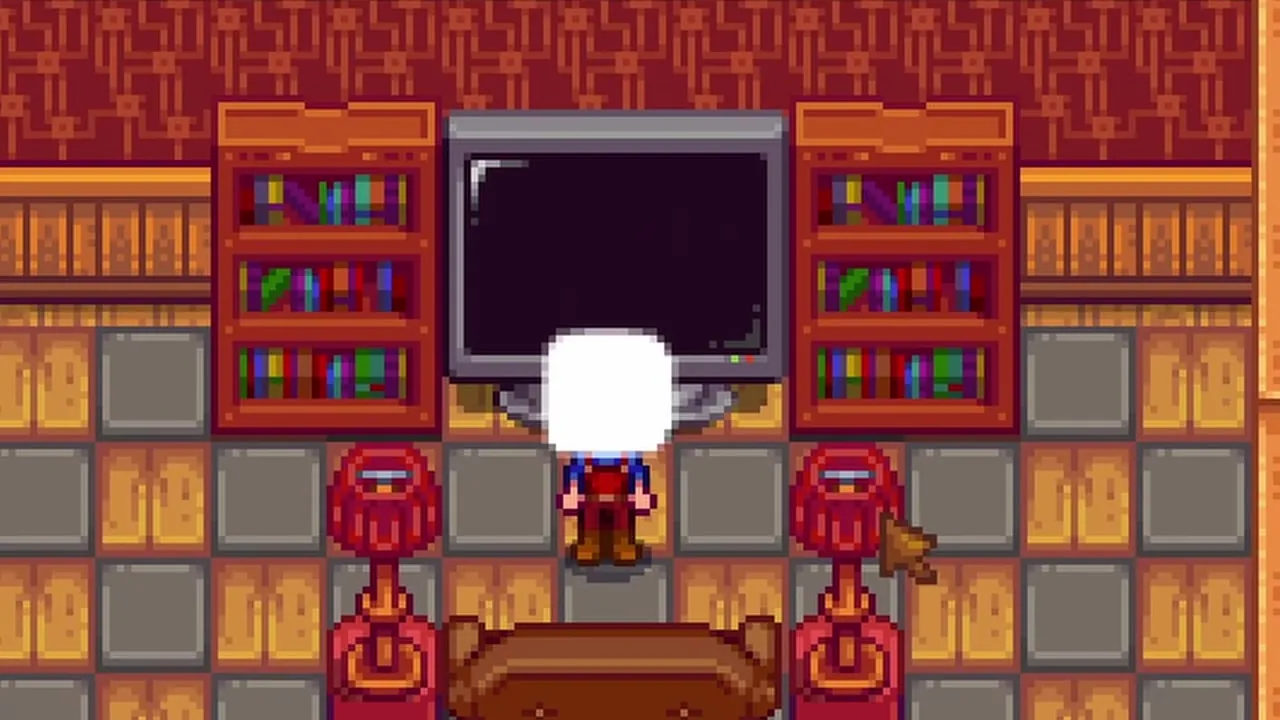
Pro players keep dedicated kits. This is one of the simplest habits and one of the most useful. Have a Skull Cavern kit. Bombs. Staircases. Food. Warp totems. Weapons. Rings. Maybe a farm warp or Return Scepter. Have a fishing kit. Bait. Tackle. Food. Rod. Maybe magnets if you are treasure hunting. Have a gifting kit.
Loved gifts, rabbit’s feet, diamonds, birthday items. When the right day arrives, you should not spend two in-game hours looking for bombs like your farm is running a scavenger hunt. Pro players reduce decision-making. The kit is ready. The day starts. The plan happens.
26. Know when a day reset is worthwhile
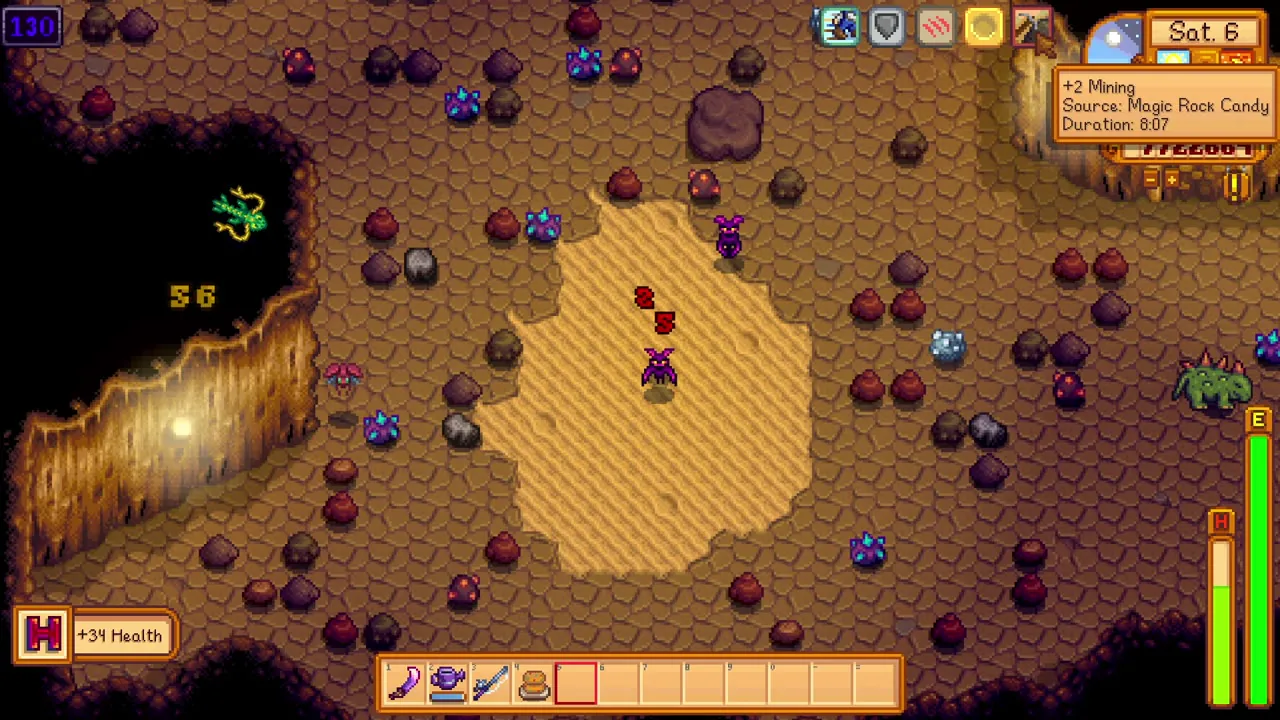
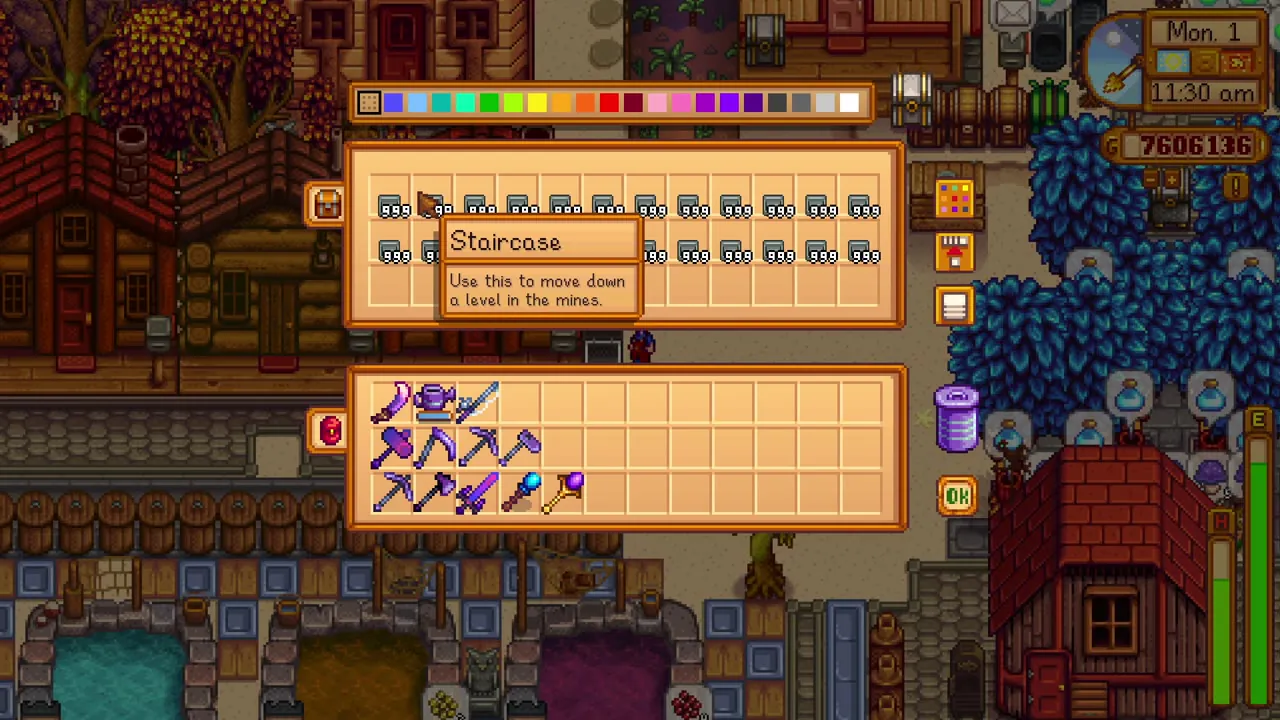
Pro players understand when to reset the day. This is not for everyone. Some players want a cozy, no-reset farm where every mistake becomes part of the story. That is perfectly fine. But pro players know that Stardew days are contained. If you waste a Magic Rock Candy on a terrible Skull Cavern run, you can reset.
If you accidentally sell something important and close the shop, you might reset. If a huge mistake destroys your plan, you can reset. The point is not to reset every tiny inconvenience. That becomes exhausting. The point is knowing that the day is a loop you can replay when the cost is high enough. Sometimes the most efficient thing you can do is look at the disaster, respect the disaster, and quietly pretend it never happened.
27. Use Junimo Huts to reduce harvesting
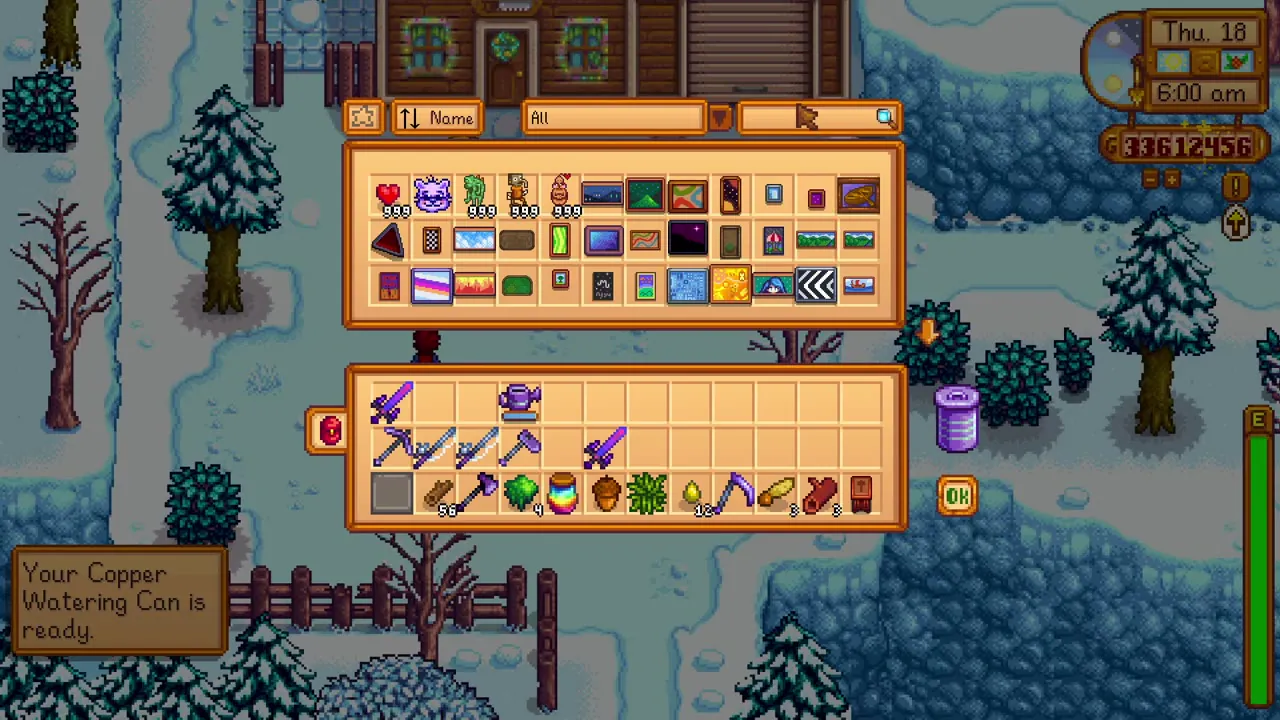
Junimo Huts can harvest outdoor crops in their working area, reducing the time you spend collecting large fields. They are especially appealing for frequently harvested crops such as hops, provided the layout works for their coverage.
They do not harvest on rainy days or during winter, and they do not work inside the greenhouse or on Ginger Island. You still need to handle planting, watering, and any harvests they cannot collect. Automation is useful when you understand its limits.
28. Know when to stop optimizing
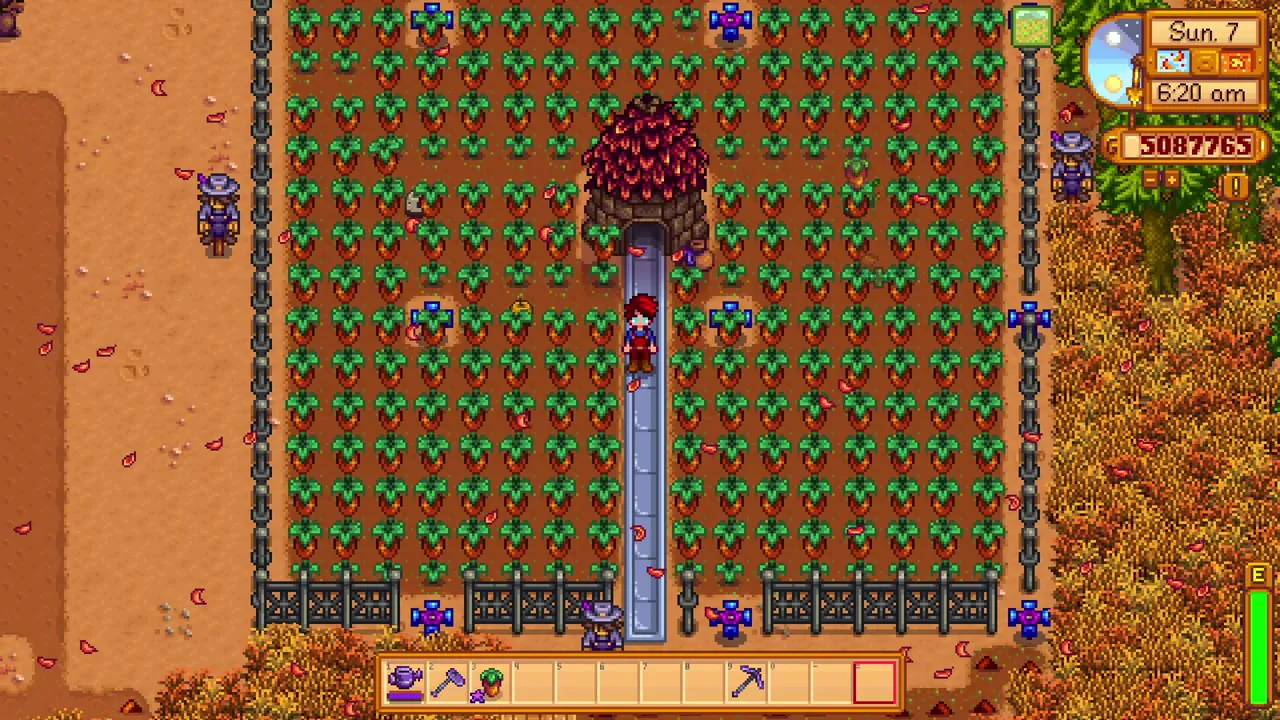
Pro players know when not to optimize. This sounds backwards, but it matters. Sometimes the most profitable thing is also the most annoying thing. Sometimes the perfect layout is technically better but makes your farm feel awful. Sometimes processing every single item gives slightly more gold but costs so much time that you start resenting your own machines.
Sometimes selling iridium truffles directly is fine because you do not want to feed a thousand oil makers forever. Pro players understand opportunity cost. Not just gold cost. Time cost. Attention cost. Sanity cost. The best strategy is not always the one with the biggest number on a spreadsheet. It is the one you can repeat without turning your farm into homework.
For a more detailed walkthrough, see my farm decorating guide.
29. Learn small mechanics that remove chores
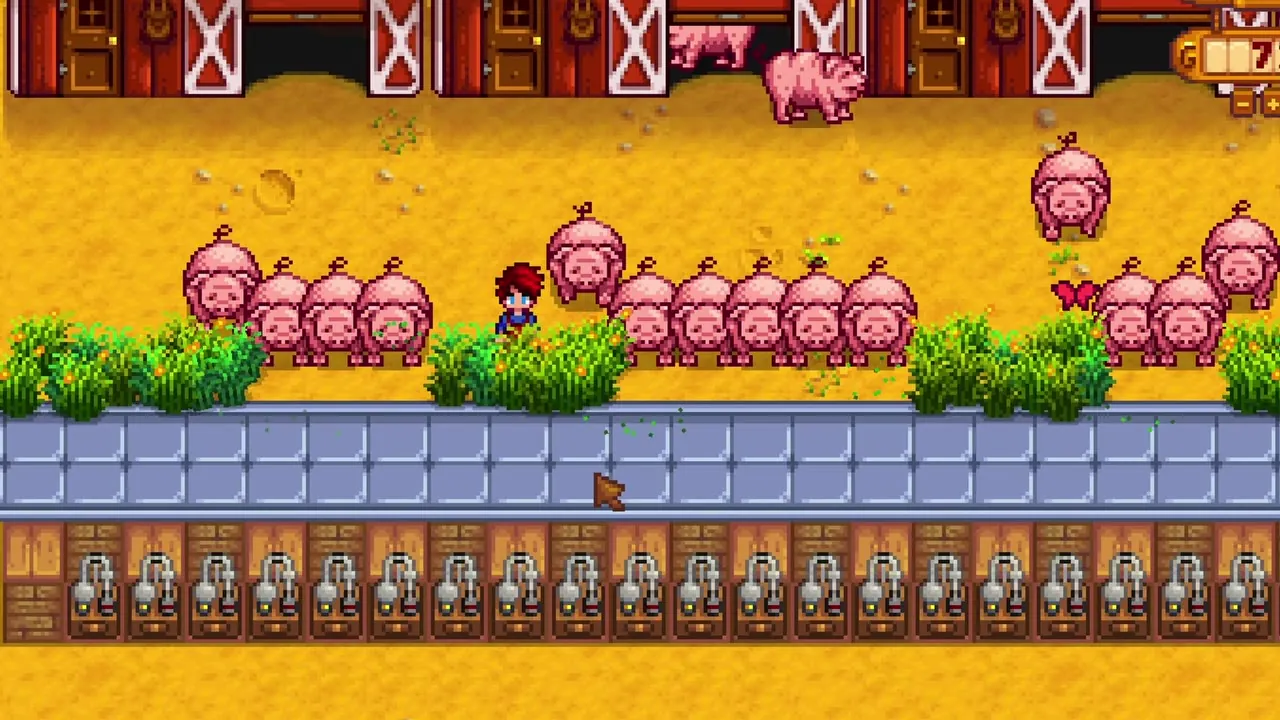
Small mechanics add up. Fiber Seeds do not require watering, and Rice Shoots planted close enough to water irrigate themselves. Holding seeds while harvesting can combine collection and replanting, especially with mouse controls.
A machine outside a shed can indicate when a matching batch inside is ready, provided you load the same products at the same time. You can also recover an accidentally sold item from a shop’s buyback list while that option is available. Learn these conveniences one at a time and use the ones that fit your controls.
30. Prepare for the next bottleneck
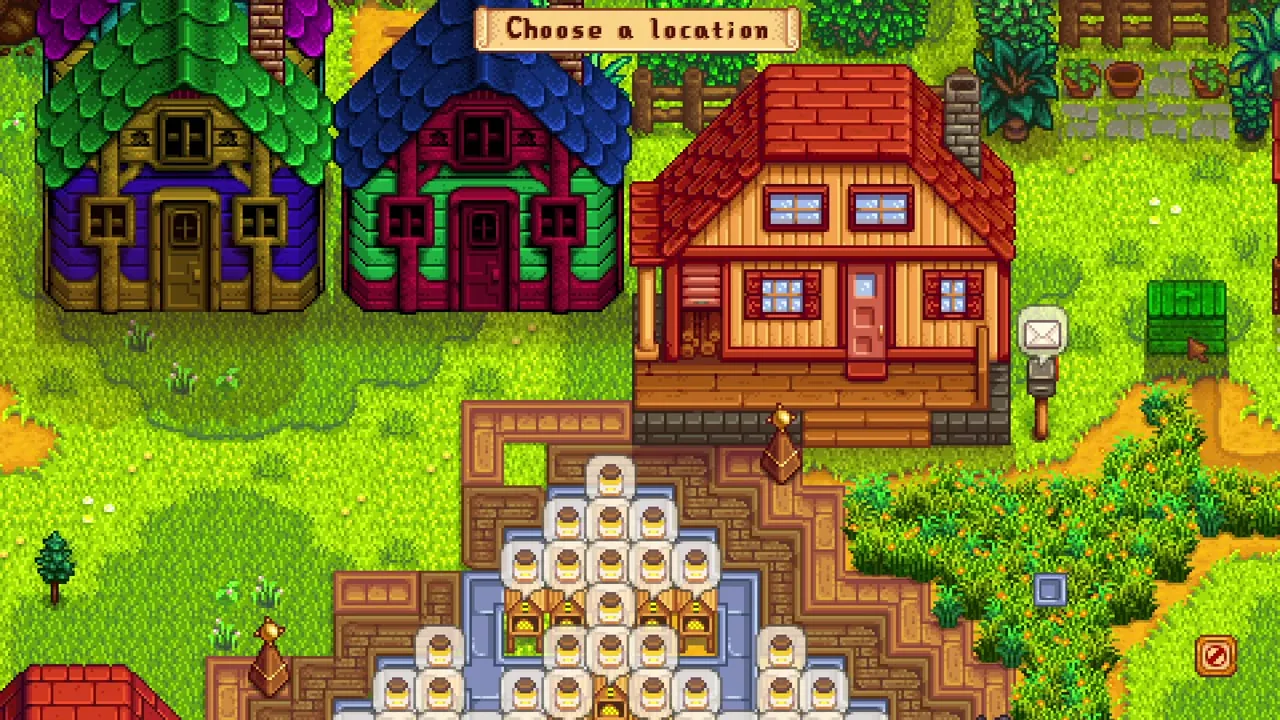
Pro players build toward the next unlock before they need it. This is the real difference. They are not just farming today. They are preparing for tomorrow’s bottleneck. Before the greenhouse, they save ancient seeds and fruit tree money. Before kegs, they tap oak trees. Before Skull Cavern, they duplicate jades. Before Ginger Island, they stockpile hardwood, batteries, and iridium.
Before perfection, they work on friendship, recipes, crafting, shipping, and golden walnuts. Before big money, they build machines. New players solve the problem in front of them. Pro players solve the problem that will appear next week. That is why their farms feel smoother. Not because they never make mistakes. But because they are always preparing the next machine, the next unlock, the next route, the next system.
Stardew Valley becomes easier when you stop reacting to the game and start setting traps for the future.
Watch the full video

More Stardew Valley guides
- 20 Unbelievable Things Only Pro Stardew Valley Players Do
- From Broke to Rich: Stardew Valley Best Money Making Methods
Mechanics references: Luck, Rain Totem, Junimo Hut.